
Lieferung heute & morgen

Qualitätsgarantie

Willkommens-Angebote freischalten: KOSTENLOSE Lieferung | Bis zu 80 % RABATT | Kostenlose 30-Tage-JoyPlus-Testphase
App herunterladen
An insulated lunch box should reliably transport meals on the way to work, to school or on an outing. In practice, however, it is not just the claim that it “keeps food hot and cold” that matters. The closure, interior, capacity and intended use are all important. A small lunch box for the office has different requirements from an insulated food container for camping.
Insulation performance depends on the starting temperature, fill level, ambient temperature and how often the container is opened. A container that can transport hot food does not actively maintain its temperature. Coolers also require pre-chilled food and ice packs.
So check whether the supplier provides specific information about usage duration, preheating or pre-chilling. For example, the Mobi Garden cooler states a cooling time of 16 to 40 hours with the ice box inserted. This figure refers to the described use with a cooling medium and cannot automatically be applied to hot food.
A leak-proof lunch box needs a tightly closing lid, intact seals and suitable filling. Even a secure closure will not necessarily prevent leaks if the container is turned upside down, overfilled or damaged.
When carrying soups and liquid dishes, make sure the lid is closed securely after every opening. For transport in a rucksack, a broad, stable base and an additional bag are useful. Also check whether replacement seals are available and whether the lid can be dismantled for cleaning.
A large capacity may sound practical, but it increases both weight and the space required. For a single packed lunch, 500 to 800 millilitres is often sufficient. If you want to transport a full day’s food, drinks and snacks, you may prefer an insulated lunch bag with several compartments. For several people or longer days outdoors, 10 to 16 litres is more suitable.
Compare the stated capacity with your usual portion sizes. A soup flask with a capacity of 1.4 or 1.5 litres is more suitable for several portions or a long day than for a compact school lunch. A wide opening makes filling, eating and cleaning easier.
The external dimensions matter just as much as the number of litres. Check whether the container will fit in your rucksack, bicycle pannier or existing cool bag. With bags, the maximum load is also relevant. The 12-litre JJA lunch bag is specified as having a maximum load of 7 kilograms; according to the product data, the 16-litre bag is designed to hold up to 5 kilograms.
A stainless steel lunch box retains its shape and, when cleaned properly, absorbs fewer odours. According to the product description, the Maxcook containers are made from 304 or 316 stainless steel, with polypropylene on the lid and a silicone seal. Plastic models can be lighter and, in some cases, suitable for microwave use. When choosing, check the information on food contact, temperature range and microwave use.
A microwave should only be used when the manufacturer expressly permits it. According to the product description, the lid must be removed from the Tefal Master Seal To Go Lunch Box before heating. Vacuum-insulated stainless steel containers must not be placed in the microwave.
Silicone seals should sit evenly and be allowed to dry completely after cleaning. Residue in grooves or around the lid can cause unpleasant odours. Some models are dishwasher-safe, while others may only be cleaned by hand.
According to the product information, vacuum containers should be preheated with hot water or pre-chilled with cold water. Carbonated drinks and dry ice are not intended for the Maxcook models mentioned. Hot food can pose a scalding risk, so allow the contents to cool before eating directly from the container.
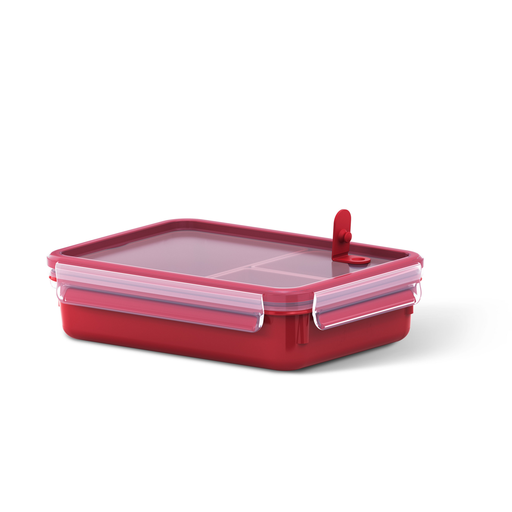
Why this product suits this profile: With a capacity of 1.2 litres, it is suitable for a standard main meal at work, school or university. According to the product data, the box is leak-proof, dishwasher-safe and microwave-safe.
The information lists specific functions rather than making a blanket temperature claim. The lid must be removed when heating.
1.2-litre capacity, BPA-free according to the product information, and dishwasher cleaning as stated in the description.
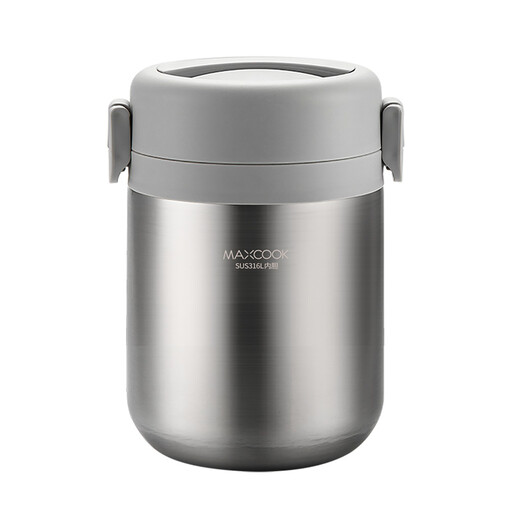
Why this product suits this profile: The wide neck makes filling and eating easier. According to the product data, the container combines 316 stainless steel, vacuum insulation and a tightly closing lid.
The product data specifies the material, capacity and care instructions. The container must not be placed in the microwave or used for carbonated drinks.
1.5-litre capacity, 316 stainless steel, wide opening and silicone seal according to the product description.
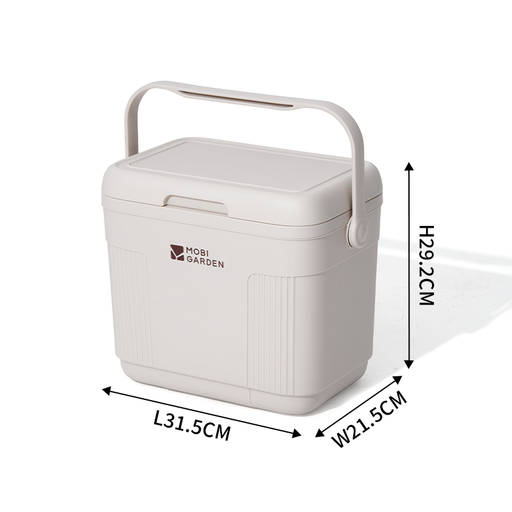
Why this product suits this profile: The hard-shell box is designed for camping, picnics, fishing and car journeys. The PU foam and optional ice box help with transporting larger quantities.
The cooling time applies when the box is used with the ice box. The description also points out that the box does not actively cool or heat.
10-litre capacity, PP body, PU insulation layer, silicone seal and carry handle according to the product data.
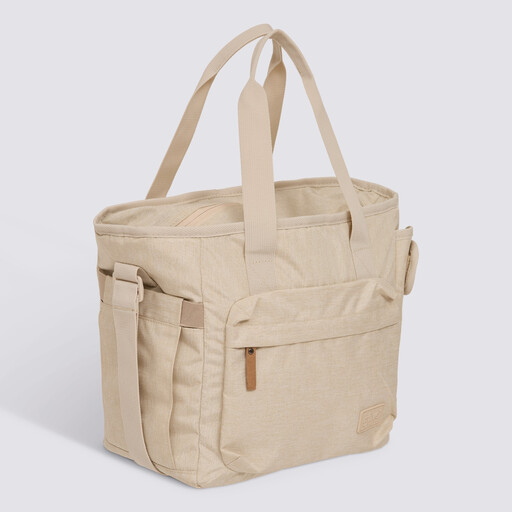
Why this product suits this profile: Several compartments and the generous capacity are ideal for meals, snacks, drinks and cutlery during long working days or family outings.
The information specifies the usable capacity, external dimensions and maximum load. The bag is not designed for machine washing and must be wiped clean with a damp cloth.
12 litres or 12.5 litres of usable capacity, several pockets, a tarpaulin outer material and a weight of approximately 0.275 kilograms.
We have put together a complete, regularly updated list of products that fully meet these strict selection criteria and the safety regulations applicable in the EU.
For hot dishes, fill the container as fully as possible and preheat it with hot water beforehand. For cold food, pre-chilling and suitable ice packs can help. Leave as little empty space as possible, as additional air can accelerate heat loss. Only open a cool bag or an insulated container for hot and cold food when necessary.
An on-the-go food container should be opened, cleaned and dried completely after use. For soups and sauces, upright storage is advisable. Check the seals regularly for cracks, deformation and sticky residue.
This depends on the design, starting temperature, fill level and outside temperature. Vacuum-insulated containers are designed to keep food warm for longer than simple bags. Binding figures should be provided directly in the relevant product data.
A broad, tightly closing soup flask that can be transported upright is suitable for soup. Models with a large opening are easier to fill and clean. Check that the lid seals securely and that the manufacturer provides guidance on hot liquids.
Stainless steel containers are compact and suitable for individual hot or liquid meals. An insulated bag offers greater flexibility for several boxes, drinks and ice packs. A single container is often enough for work and school; for commuters, families and outdoor activities, a bag or cooler may be more practical.