
Lieferung heute & morgen

Qualitätsgarantie

Willkommens-Angebote freischalten: KOSTENLOSE Lieferung | Bis zu 80 % RABATT | Kostenlose 30-Tage-JoyPlus-Testphase
App herunterladen
An insulated water bottle should keep drinks at the right temperature, remain leakproof and be easy to clean. In practice, however, poor purchases are not caused by material and capacity alone. Products are often chosen because of impressive temperature claims, even though the closure, cleaning requirements or intended use do not suit everyday life.
Claims such as “cold for up to 24 hours” usually refer to specific conditions. For example, they may assume a completely full bottle, a low ambient temperature or the use of ice. A vacuum-insulated water bottle reduces heat transfer, but it cannot maintain the drink’s original temperature indefinitely.
It is therefore important to distinguish between heat retention, cooling time and ice retention. A different design may be perfectly adequate for the commute, but not for a multi-day outdoor trip.
A screw-top closure, a one-touch lid and a water bottle with a straw all have different characteristics. A straw allows you to drink quickly during sport, but it is often made up of several separate parts. These components must be cleaned thoroughly and allowed to dry completely after every use.
Straws and quick-drink openings are not automatically suitable for hot drinks either. Check the manufacturer’s instructions before buying and before using the bottle for the first time.
A stainless-steel water bottle can last for many years if the seals, lid and interior are cleaned regularly. “Dishwasher-safe” does not necessarily apply to every component. Some models must be washed by hand, while only the plastic parts can go in the dishwasher.
Carbonated drinks, dairy products and acidic liquids are also not suitable for every model. A closure that is leakproof with still water may therefore not be suitable for every type of drink.
A double-wall construction with vacuum insulation reduces heat transfer between the drink and the outside surface. 18/8 stainless steel, also known as 304 stainless steel, is widely used for drinking vessels. 316 stainless steel is used for the inner surfaces of some models and is described as more corrosion-resistant.
The material specification alone does not determine how practical a bottle is for everyday use. You should also check:
For commuters and office workers, 350 to 600 ml is often easy to carry. Sports enthusiasts and travellers may prefer 720 to 900 ml. Large 1.8-litre thermos bottles are better suited to desks, longer stays or sharing drinks between several people.
The weight of stainless-steel models is often underestimated. A capacity of 500 ml does not mean that the bottle will remain light when full. Dimensions such as a diameter of around 73 mm can be crucial when it comes to fitting in a car cup holder.
A leakproof closure should be fully closed before you carry the bottle. Look for a clearly visible locking mechanism, seals that are easy to access and a sufficiently wide opening. This makes it easier to add ice cubes and clean the bottle with a bottle brush.
For an insulated bottle for sport, a carry handle, quick-drink opening and stable base are practical features. For coffee in the car, however, a compact stainless-steel thermal travel mug with a one-touch lid may be a better choice.
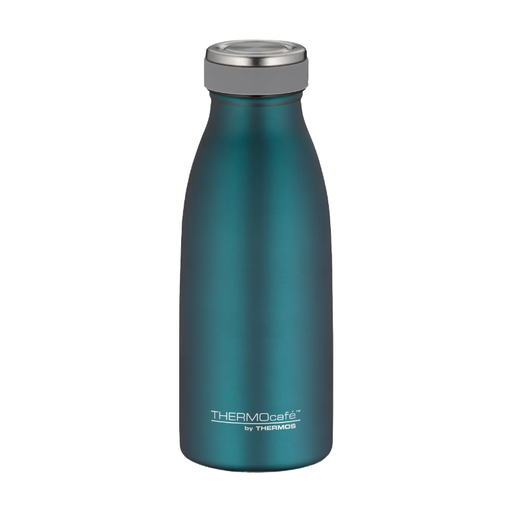
Why this product suits the profile: This compact 0.35-litre bottle is designed for short journeys, the office and small bags. According to the product details, it keeps drinks hot for up to 12 hours and cold for up to 24 hours.
The slim design makes the capacity clear and avoids a complex drinking system with lots of separate parts. The rubberised twist closure is easy to access for manual checking.
Double-wall stainless steel, 350 ml capacity and hand washing without any dishwasher claim.
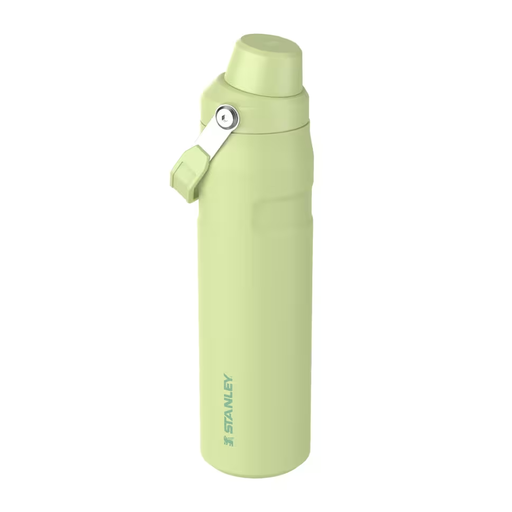
Why this product suits the profile: This 600 ml bottle is aimed at active adults, commuters and gym users. According to the product details, it is designed for cold drinks and fits many car cup holders.
The wide opening makes it easier to add ice and clean the bottle. The lid is removable and, according to the product description, dishwasher-safe.
Double-wall vacuum insulation, fast-flow drinking opening, carry handle and, according to the product details, cold drinks for up to 10 hours.
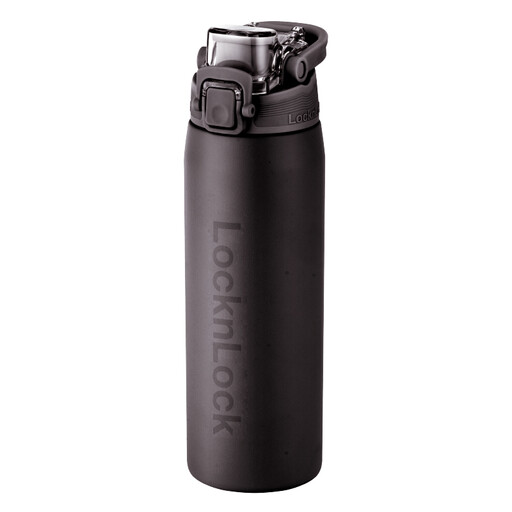
Why this product suits the profile: The 720 ml capacity and integrated straw are well suited to sport, walks, travel and longer working days.
The product details explicitly specify hand washing rather than dishwasher use. This makes it easier to plan the care routine realistically before buying.
316 stainless steel, 720 ml capacity, straw and portable design. According to the instructions, this model is not designed for carbonated drinks.
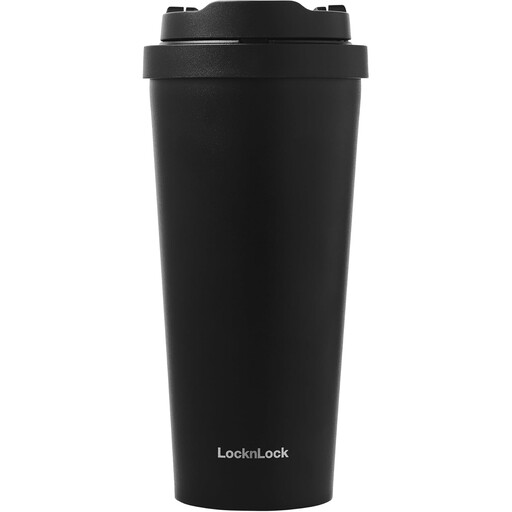
Why this product suits the profile: This 550 ml thermal travel mug is designed for coffee, tea and cold drinks at the office, in the car or while travelling.
The one-touch lid and safety lock make the closure straightforward to use every day. The wide opening helps with hand cleaning.
STS304 stainless steel, double-wall vacuum insulation, leakproof lid and, according to the product details, heat retention for up to 4 hours.
We have put together a complete, regularly updated list of products that fully meet these strict selection criteria and the safety regulations applicable in the EU.
For a long service life, we recommend the following routine:
This depends on the insulation design, fill level, starting temperature and ambient conditions. Manufacturer claims such as “up to 24 hours” are guidelines based on specific conditions. For a meaningful comparison, always look at the same category: heat retention, cooling time or ice retention.
For sport, a capacity of 500 to 750 ml, a secure carry handle and an easily accessible drinking opening are practical features. A water bottle with a straw often makes it easier to drink regularly while moving. However, check the cleaning instructions and only use hot or carbonated drinks if this is expressly permitted.
A thermal travel mug often fits car cup holders more easily and is designed for coffee or tea. A thermos flask for hot and cold drinks usually offers greater flexibility and is also suitable for water or longer periods away from home. Capacity, closure, leakproof performance and the ease of cleaning it every day are the key considerations.