
Lieferung heute & morgen

Qualitätsgarantie

Willkommens-Angebote freischalten: KOSTENLOSE Lieferung | Bis zu 80 % RABATT | Kostenlose 30-Tage-JoyPlus-Testphase
App herunterladen
An insulated stainless steel water bottle should keep drinks at the right temperature, remain leak-free in your rucksack and be easy to clean. In practice, however, some sales claims can lead to disappointing purchases. Insulation performance, leak resistance and cleaning convenience are often assessed without considering how the bottle will actually be used.
Claims such as “cold for up to 24 hours” or “hot for up to 12 hours” refer to specific conditions. The starting temperature, fill volume, ambient temperature and how often the bottle is opened can all make a difference. Vacuum insulation reduces heat transfer, but it cannot replace a realistic assessment of your intended use.
If you fill a cold stainless steel water bottle in the morning for your commute, you will need different features from someone who spends several hours hiking or camping.
A leak-proof water bottle will only stay sealed when the lid, seal and drinking opening are closed correctly. Models with straws are convenient for drinking during sport, but may be unsuitable for hot drinks, carbonated liquids or improper cleaning. Claims such as “leak-proof” should therefore always be read alongside the usage instructions.
When a water bottle is described as dishwasher-safe, this does not necessarily mean that the lid, sealing ring, straw and coating are all suitable for every wash cycle. Some products may only be cleaned in the top rack, while others are intended exclusively for hand washing. Removable seals and drinking attachments are particularly important, as residue can collect in these areas.
For commuters, school pupils and students, around 475 to 600 ml is often a practical compromise between capacity and portability. Depending on the length of their training sessions, sportspeople may prefer a larger volume. A 1.2-litre bottle means fewer refills, but takes up more space and can become considerably heavier when full.
Also check the dimensions. A narrow base is important if the insulated bottle needs to fit into a car cup holder. For rucksacks, height, the handle and the secure position of the lid are more relevant.
Common stainless steel grades include 18/8 and 18/10. The figures describe the approximate proportions of chromium and nickel in the alloy. Both variants are widely used for drinking vessels. Some products use 316 or 316L stainless steel on the inside; according to the product information, this variant offers increased corrosion resistance.
The construction is also crucial. A double-wall bottle with vacuum insulation separates the inner drink chamber from the outer wall more effectively than a simple stainless steel bottle. Also check whether plastic components are described as BPA-free. This information should apply to the lid, straw and seals, not just the body of the bottle.
A wide opening makes it easier to add ice cubes and clean the bottle with a bottle brush. A water bottle with a straw, on the other hand, allows you to drink while walking or exercising, but comes with additional individual components.
For coffee and tea, the model should be explicitly approved for hot drinks. Some sports bottles are intended exclusively for cold drinks. Carbonation can create pressure inside sealed containers and is excluded for several of the products mentioned. The relevant safety instructions are therefore binding.
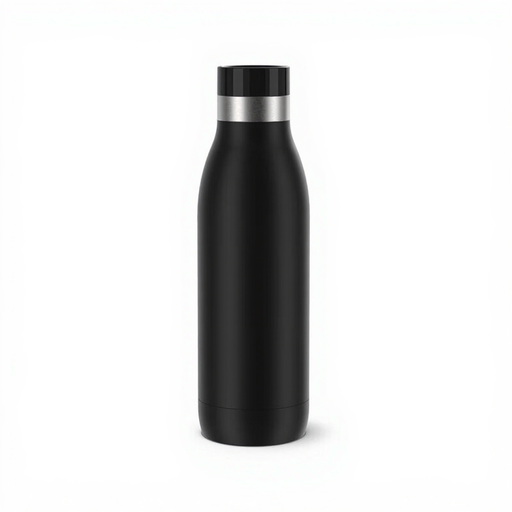
Why this product suits this profile: With a 500 ml capacity and slim design, it is ideal for the office, school, gym and shorter journeys.
According to the product description, the Quick-Press lid is leak-proof and allows you to drink from different directions. The bottle is described as dishwasher-safe.
Vacuum insulation, 0.5 l capacity, Quick-Press lid and stated suitability for hot and cold drinks.
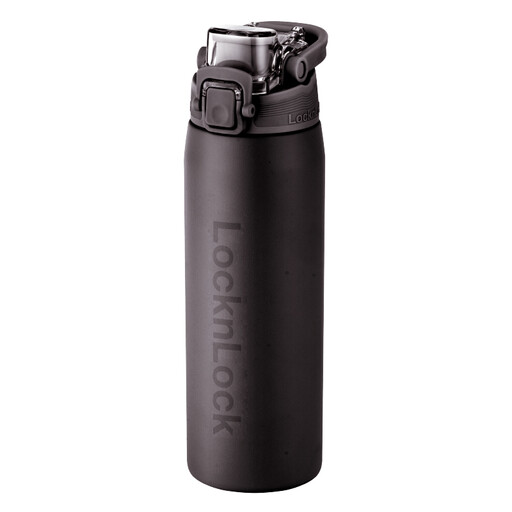
Why this product suits this profile: 316 stainless steel, a straw and a 720 ml capacity appeal to users looking for a robust insulated bottle for sport, travel and outdoor activities.
The care instructions explicitly specify hand washing and rule out use of a dishwasher. This makes it easier to factor realistic cleaning requirements into your purchase decision.
316 stainless steel in the bottle body and interior, a straw and a portable design for sport and life on the go.
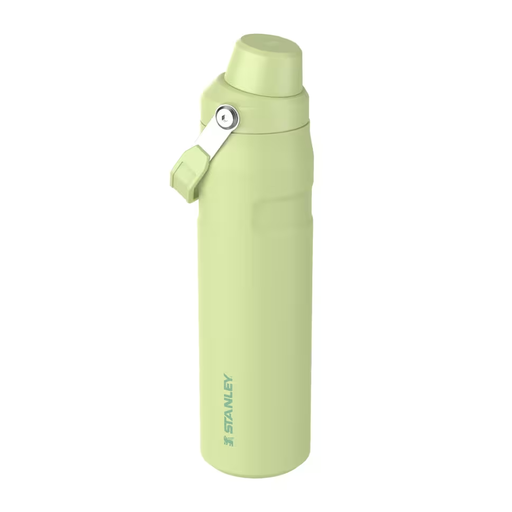
Why this product suits this profile: The combination of a 600 ml capacity, carry handle, wide opening and compatibility with standard car cup holders makes it a good choice for commuters, sportspeople and travellers.
The wide opening makes filling and cleaning easier. According to the product information, the lid and bottle are dishwasher-safe; carbonated and hot drinks are not suitable.
Double-wall vacuum insulation, Fast-Flow drinking opening, carry handle and stated cold retention of up to 10 hours.
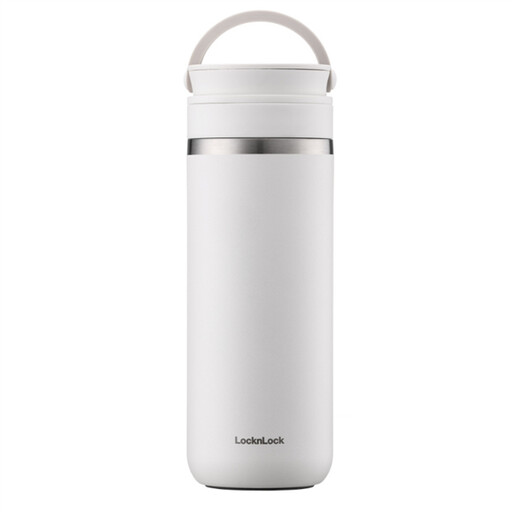
Why this product suits this profile: The compact format is ideal for coffee, tea and cold drinks at the office, in the car or on the way to university.
The two-way lid system offers a wide opening for cleaning and a separate drinking opening. The product information specifies a leak-proof seal and BPA-free lid materials.
475 ml capacity, double-wall vacuum insulation, wide opening and stated temperature retention of up to 37 hours for cold drinks.
We have put together a complete, regularly updated list of products that fully meet these strict selection criteria and the safety regulations applicable in the EU.
Its lifespan depends on the quality of the stainless steel, the lid, seals, coating and care. With normal use, the bottle body can remain usable for a long time, while sealing rings or drinking attachments may need replacing sooner. Drops can damage the vacuum insulation, even when only small dents are visible on the outside.
Not every model is. Some sports bottles are intended only for cold drinks. With suitable insulated bottles, the lid, drinking opening and seal must also be designed to withstand heat. Hot liquids can also cause scalding. Always follow the specific manufacturer’s instructions.
After purchase, the main costs are water, cleaning products and, where necessary, replacement seals or a new drinking attachment. Models with dishwasher-safe components can reduce the cleaning effort. With straw lids, you should consider the additional care they require compared with a simple screw lid.