
Lieferung heute & morgen

Qualitätsgarantie

Willkommens-Angebote freischalten: KOSTENLOSE Lieferung | Bis zu 80 % RABATT | Kostenlose 30-Tage-JoyPlus-Testphase
App herunterladen
The selection of robot toys is vast, ranging from simple remote-controlled figures to complex, programmable kits. However, beneath the marketing hype often lie pitfalls that lead to frustration and unnecessary expense. Many models end up collecting dust in a corner due to technical flaws, overestimated educational value, or hidden costs.
As your Joybuy Product Recommendation Officer, I'm here to help you navigate these common mistakes. We'll focus on the crucial features to ensure you find a robot toy that offers long-lasting fun and genuine value.
To avoid the problems mentioned above, you should check three core aspects before buying. These objective parameters will help you realistically assess a model's quality and long-term value.
The type of interaction is a key determinant of the play and learning factor. Pay attention to the differences:
A good robot kit is more than just a single model.
The power source is an often-overlooked but critical factor for enjoyment.
Based on these objective criteria, we have identified a few models that represent a considered choice for different needs and age groups.

Why It's a Good Fit: This set combines building with interlocking bricks with controlling a finished model. It's an ideal, non-overwhelming introduction to the world of engineering. Kids can get creative and then immediately play with their creation.
It sidesteps the 'overestimated learning effect' pitfall by focusing on the building process. The ability to build 5 different models ensures long-lasting engagement and prevents the toy from becoming boring after a single assembly.
Combination of building and driving. Can be controlled via remote and app. The integrated battery is USB-rechargeable.

Why It's a Good Fit: For tech-savvy kids who want to go beyond simple programming. Miika makes the abstract topic of artificial intelligence tangible by allowing the robot to be trained through gestures and voice commands.
This model avoids the proprietary systems pitfall. According to the manufacturer, the companion app works offline, which ensures data privacy and eliminates dependency on servers or an internet connection. The educational approach was developed with the Tübingen AI Center.
Enables real AI training (movement, sounds, LED display). The offline app protects privacy. Provides a well-founded, playful introduction to a future-focused topic.
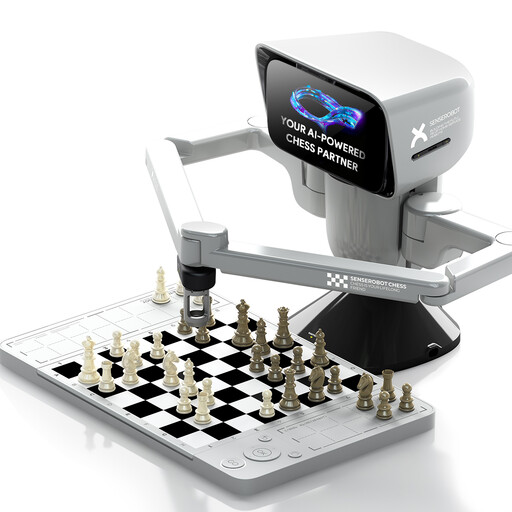
Why It's a Good Fit: This isn't an all-purpose toy, but a highly specialised training partner for chess players of all ages. The robotic arm physically moves the pieces on the board, creating an authentic playing experience.
This product avoids the 'inappropriate complexity' pitfall. It is precisely tailored to a specific audience and performs its one task—playing chess—at a high level. The hundreds of AI difficulty levels ensure it remains challenging for both beginners and advanced players.
Physical robotic arm for an immersive game. App connectivity for game analysis and training. Adjustable AI strength for a lasting challenge.
We've compiled a complete, up-to-date list of products that fully meet these strict selection criteria and safety standards.
The manufacturer's age rating is a guideline. You should also consider the child's individual patience, fine motor skills, and prior experience with similar toys (e.g., interlocking brick systems). A kit that is too complex can quickly lead to frustration. When in doubt, it's wise to start with a simpler model to spark enthusiasm for the subject.
Not necessarily. Some models can be programmed directly on the device or via a computer. However, many modern educational robots use apps because they provide an intuitive, graphical programming interface. Always check the app's system requirements (e.g., iOS or Android version) before purchasing to ensure compatibility with your existing devices.
Battery life varies greatly depending on the model and intensity of use. Checking the product specifications for the battery capacity (in mAh) and the manufacturer's stated playtime is crucial. Typical values often range from 15 to 40 minutes per charge. Models with rechargeable batteries are usually the more economical choice in the long run compared to those that require disposable batteries.