
Lieferung heute & morgen

Qualitätsgarantie

Willkommens-Angebote freischalten: KOSTENLOSE Lieferung | Bis zu 80 % RABATT | Kostenlose 30-Tage-JoyPlus-Testphase
App herunterladen
Dry skin feels tight, sensitive skin can react quickly, and a dull complexion may sometimes look unbalanced despite daily skincare. Intensive hydration face masks can complement your skincare routine when the texture, ingredients and application time suit your individual needs. However, not every mask is suitable for every skin concern.
Names such as “Deep Hydration”, “Glow” or “Firming” sound convincing, but on their own they reveal little about how suitable a product is for everyday use. What matters is which humectants and skin-conditioning ingredients it contains, and how long the product remains on the skin.
A hyaluronic acid face mask, for example, may contain several forms of hyaluronic acid. This is a verifiable detail, but it does not replace checking the complete INCI list. Glycerin, panthenol, ceramides and betaine may also form part of a hydration-focused formula.
A classic sheet face mask is often used for just 5 to 20 minutes. A hydrogel mask, on the other hand, can be worn for several hours. If a thin sheet mask is left on the skin for considerably longer than stated, the material may dry out. The manufacturer’s recommended application time should therefore take priority.
Even a moisturising face mask described as gentle or hypoallergenic can cause problems in cases of individual intolerance. Fragrances, alcohol, essential ingredients and certain plant extracts are important points to check for sensitive skin. Stop using the product if visible irritation occurs. Masks should not be applied to broken or inflamed skin.
For a face mask for dry skin, humectants such as glycerin, hyaluronic acid and panthenol, as well as barrier-supporting ingredients such as ceramides, are worth considering. A soothing face mask may contain Centella asiatica, madecassoside, allantoin or dipotassium glycyrrhizate.
Collagen in a collagen face mask is initially a cosmetic formulation detail. The product name alone does not indicate any lasting change to the skin’s structure. The same applies to terms such as “anti-ageing face mask” or “pore-refining mask”: look at the specific ingredients, application instructions and the product’s realistic function.
Single-use portions are hygienic and practical for occasional applications. Larger packs containing 10 or 30 sheet masks may be suitable for a regular routine, but they need to be stored carefully. Resealable packaging should be closed securely after every use.
Also check the best-before date, batch number and instructions for use after opening on the packaging. A mask intended for daily use should clearly differ in its recommended frequency from a weekly clay mask or overnight treatment.
The following products meet a range of different needs. The classifications are based on the format, pack size, listed ingredients and the respective application instructions.
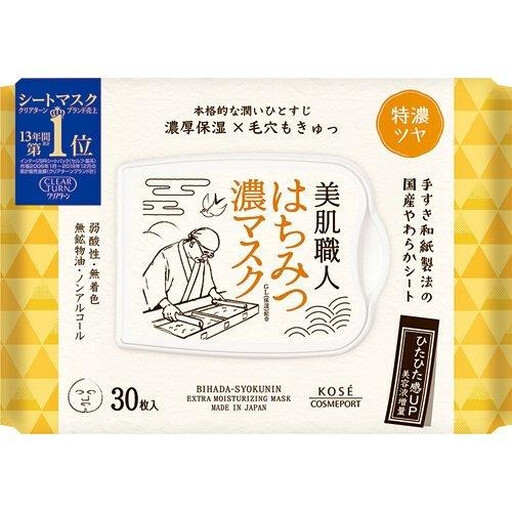
Why this product suits this profile: The large pack containing 30 sheet masks is designed for regular use and has a manufacturer-recommended application time of around 10 minutes.
The clearly stated short wearing time reduces the risk of leaving the mask on the skin for too long out of habit.
30 individually usable applications; the listed INCI ingredients include glycerin and honey extract.
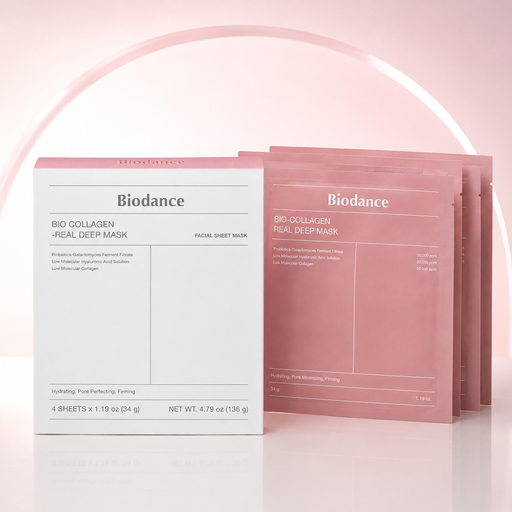
Why this product suits this profile: This Korean hydrogel mask is an appealing option for people who prefer a longer application time and detailed ingredient information.
The recommended application time of 3 to 4 hours or overnight makes the time required clear, rather than relying on a vague “Deep” promise.
Hydrogel format; the listed ingredients include collagen extract, hydrolysed hyaluronic acid and glycerin.
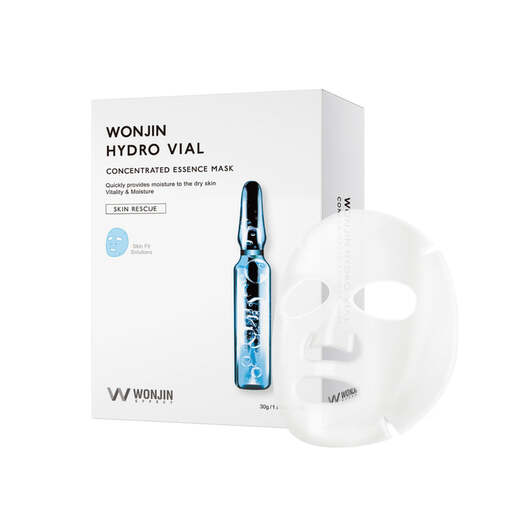
Why this product suits this profile: This sheet mask is designed for a short skincare routine and, according to the product information, is used for around 10 minutes.
The set short application time prevents an intensive essence from being confused with a long wearing time.
10 portions; according to the product description, six types of hyaluronic acid, as well as azulene and marine collagen.
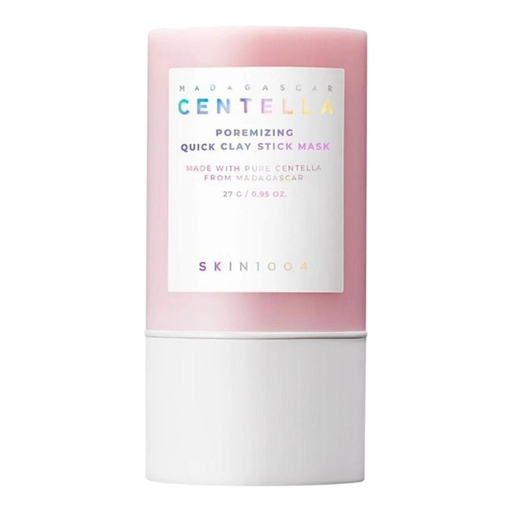
Why this product suits this profile: The stick format allows targeted application to selected areas of the face and suits a weekly skincare routine.
Application can be limited to the T-zone or individual areas, so dry patches do not need to be covered unnecessarily with clay.
Kaolin and bentonite are listed; the stick packaging makes economical, targeted application easier.
We have put together a complete, regularly updated list of products that fully meet these strict selection criteria and the safety regulations applicable in the EU.
This depends on the type of mask and the manufacturer’s instructions. Depending on the formula, lightweight sheet masks can be used several times a week. Clay or exfoliating masks are often used less frequently. An overnight face mask should only be used as often as specified in the product description.
For dry skin, glycerin, hyaluronic acid, panthenol and ceramides are relevant ingredients. For sensitive skin, it is also worth checking for fragrances, alcohol and essential oils. A short application time and a concise INCI list can make choosing easier. However, individual tolerance cannot be determined from the ingredients alone.
Many Korean face masks are designed as sheet or hydrogel products for regular use. Whether daily use is appropriate depends on the specific formula, packaging and manufacturer’s instructions. With a larger pack, you should also check that it has a hygienic seal and pay attention to the expiry date.