
Lieferung heute & morgen

Qualitätsgarantie

Willkommens-Angebote freischalten: KOSTENLOSE Lieferung | Bis zu 80 % RABATT | Kostenlose 30-Tage-JoyPlus-Testphase
App herunterladen
By the Joybuy Product Recommendation Officer, 29 August 2026
Tight, flaky, or red skin is more than just a cosmetic concern; it impacts your daily comfort. However, finding an effective intensive moisturiser can be a challenge. The market is saturated with products that promise instant relief but don't always deliver long-term results. Many consumers invest in creams that fall short due to misleading marketing claims or unsuitable formulations.
Before making a decision, it's crucial to understand the most common pitfalls:
To make an informed choice, focus on the core parameters that define a high-quality intensive moisturiser. Look for the following features on the ingredient list and in the product description.
A healthy skin barrier is crucial for retaining moisture and fending off external irritants. In dry and sensitive skin, this barrier is often compromised.
A repairing face cream must not only deliver lipids to the skin but also bind water to relieve that feeling of tightness.
For a cream for sensitive skin, soothing and anti-inflammatory components are essential to reduce redness and irritation.
Rather than making a blanket recommendation, we have identified products tailored to different profiles and needs.
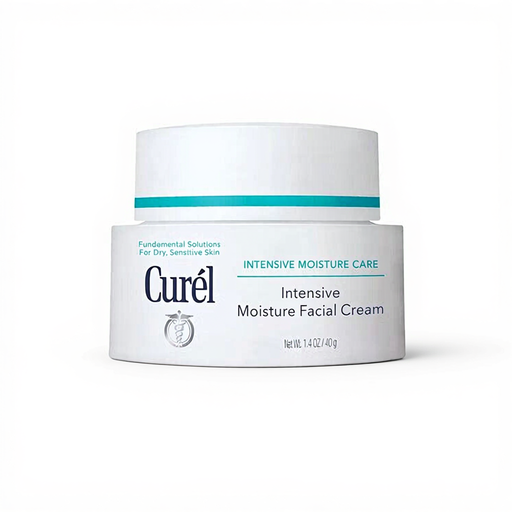
Why It's a Match: This cream is specifically formulated for dry, sensitive skin. It focuses on restoring the skin's ceramide levels, making it ideal for those whose skin barrier is easily compromised and who need gentle yet effective care.
Instead of relying on short-lived trends, its formula is based on proven ceramide care technology to strengthen the skin barrier from the ground up, not just smooth the surface.
Its lightweight texture absorbs quickly without leaving a greasy residue, all while enhancing the skin's moisture-retention capacity for long-lasting comfort.
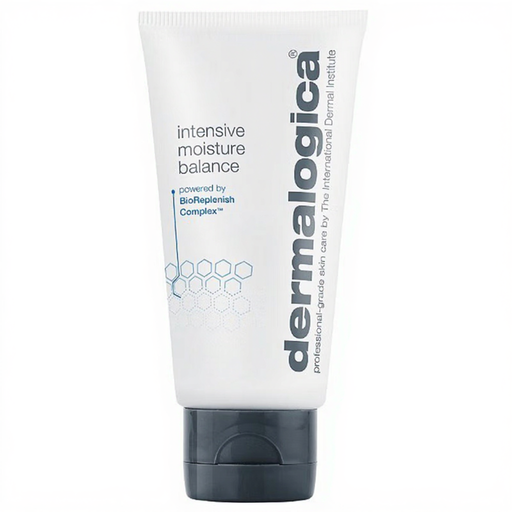
Why It's a Match: This cream is aimed at users seeking an advanced formula to strengthen the skin barrier and promote regeneration. It is ideal for skin that is not only dry but also demanding, benefiting from a combination of lipids, moisturisers, and soothing extracts.
It bypasses "single-ingredient wonder" marketing by combining a sophisticated complex (BioReplenish Complex) with proven ingredients like hyaluronic acid, ceramides, and Chlorella Algae extract to address multiple skin needs simultaneously.
The formula supports skin regeneration and helps balance the skin's natural microbiome, leading to more resilient and healthier-looking skin.
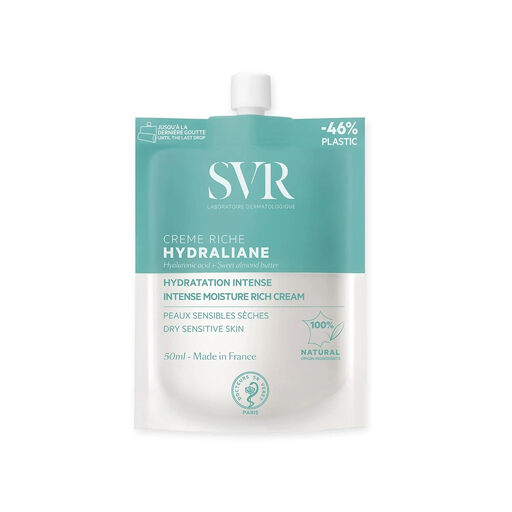
Why It's a Match: This cream is explicitly formulated as "Riche" (rich) for dry to very dry skin. It is the right choice for those who need a nourishing, comfortable texture to provide immediate and long-lasting relief from tightness and flakiness.
Its rich texture comes from genuine nutrients like shea butter and squalane that nourish the skin, rather than just forming an occlusive film. It delivers on the promise of rich care without resorting to mere fillers.
According to the manufacturer, the formula contains 60% physio-adapted water to deeply hydrate cells. It is also hypoallergenic and non-comedogenic, making it suitable even for sensitive skin types.
We have compiled a complete, up-to-date list of products that fully meet these strict selection criteria and current regulations.
For optimal results, it is recommended to apply an intensive moisturiser twice daily—morning and evening—to cleansed skin. The morning application protects the skin throughout the day, while the evening application supports the overnight regeneration phase.
Whether a cream is comedogenic (clogs pores) depends less on its richness and more on its specific ingredients. Many modern formulations, including rich ones, are labelled "non-comedogenic." Ingredients like shea butter or squalane are generally well-tolerated. However, for acne-prone skin, it is still advisable to look for this label.
An intensive moisturiser typically has a higher concentration of lipids (fats) and occlusive ingredients, which form a protective layer to minimise moisture loss. It is specifically designed for the needs of dry, dehydrated, or damaged skin. A regular day cream is often lighter in texture and focuses on basic hydration and sometimes added protection like SPF, without the primary focus on skin barrier repair.