
Lieferung heute & morgen

Qualitätsgarantie

Willkommens-Angebote freischalten: KOSTENLOSE Lieferung | Bis zu 80 % RABATT | Kostenlose 30-Tage-JoyPlus-Testphase
App herunterladen
Interactive dog toys are designed to combine exercise, shared play and mental stimulation. In practice, though, not every product suits every dog. A small dog needs different dimensions to a large, powerful one. A ball for fetching also serves a different purpose to a treat-dispensing toy or a tug rope.
Before you buy, it’s worth taking a closer look at the material, size, type of play and cleaning requirements. That way, you can avoid common mistakes and choose products more effectively.
Terms like “bite-resistant” or “robust” don’t guarantee that a toy won’t get damaged. Even a sturdy dog toy can wear down from vigorous chewing, pulling or sharp teeth. What really matters is the combination of materials, the quality of construction and whether it’s suitable for your dog’s size.
For example, a toy with a soft plush cover might be fine for supervised active play, but not for a dog that systematically bites pieces off.
Electronic balls with unpredictable movements can spark interest. However, they need a dry charging port, a suitable playing surface and supervised use. For some dogs, a simple tug toy that encourages shared interaction is more beneficial.
A squeaky toy isn’t automatically right for every household either. In a flat with thin walls, a squeaker can be annoying. So, it’s best to decide on the purpose before you buy.
A toy that’s too small can be swallowed, while one that’s too large can be difficult for a small dog to carry or grip. Information like “for small and medium-sized dogs” should be checked against your dog’s actual weight, mouth size and play style.
For dogs that chew a lot, regular checks are essential. As soon as you spot cracks, loose threads, detached parts or an exposed electronic core, the toy should be taken out of use.
For dog chew toys, materials can include TPR, natural rubber, nylon, polyester fabric or plastic, depending on the design. TPR and natural rubber can be flexible, while nylon is often used as a harder core. However, a material description alone doesn’t tell you how long a toy will last.
Look for:
For a dental care product, the function should be assessed realistically: textured surfaces or rope fibres can make mechanical contact with the tooth surface during chewing. They don’t replace a veterinary check-up or individual care advice.
Interactive puzzle toys for dogs and treat-dispensing toys encourage foraging and simple problem-solving. With a puzzle feeder, the difficulty level should match your dog’s learning stage. A beginner model with easily accessible compartments is better for an introduction than a complex system.
An interactive dog ball is a good choice if your dog enjoys chasing, pursuing or fetching. Electronic models also need a charged battery and must not be submerged in water. For shared play, on the other hand, tug toys for dogs, frisbees and classic balls are suitable.
Check the following before you buy:
A fetch toy for dogs should only be used where there’s enough open space. Stairs, roads, sharp objects and slippery floors increase the risk of injury when running and jumping.
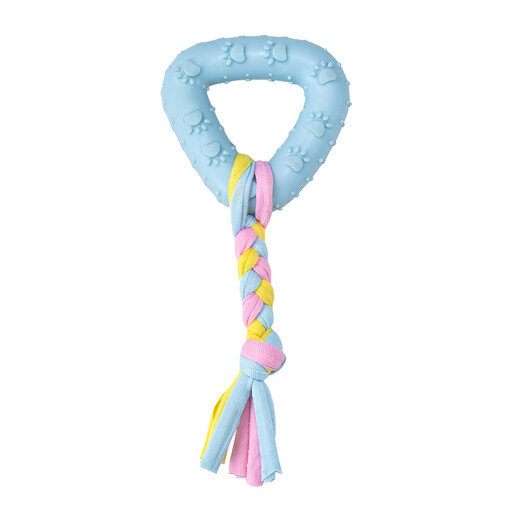
Why this product suits the profile: The combination of TPR and polyester rope is designed for shared tugging, throwing and supervised chewing with small and medium-sized dogs.
The suitability for small and medium-sized dogs is stated. However, the product should still be checked regularly for loose threads, cracks and detached parts.
TPR and twisted polyester rope; triangular shape with multiple grip areas for tugging and fetch games.
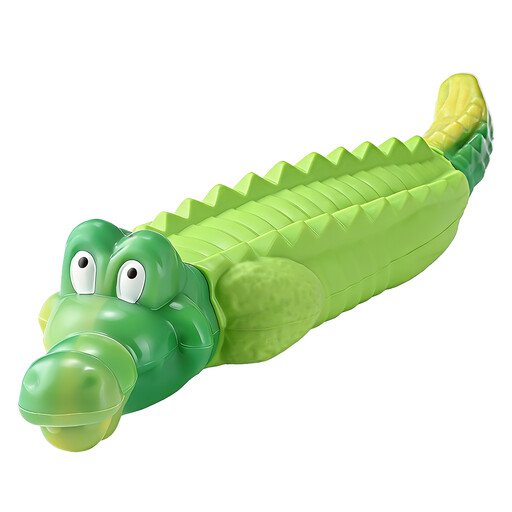
Why this product suits the profile: The 24 × 6 cm chew toy body is aimed at medium and large dogs and combines a nylon core with a natural rubber outer layer.
The construction and target size are clearly stated. This doesn’t make the product suitable for aggressive chewers; it should be replaced if damaged.
Nylon core and natural rubber outer layer; textured surface for gripping and chewing.
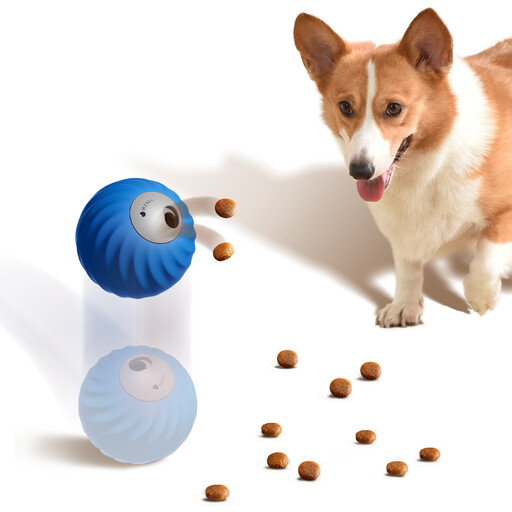
Why this product suits the profile: The ball combines a treat-dispensing function with two play modes and USB-C charging. This suits dogs that enjoy food-based tasks and moving stimuli.
The charging method, the two modes and the cleaning of electronic components are clearly stated. The ball is not intended for aggressive chewers and must not be submerged in water.
Treat dispensing, erratic movements, replaceable plush cover and USB-C rechargeable battery.
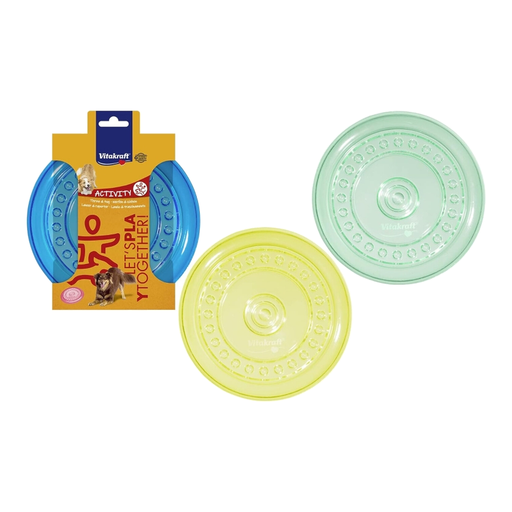
Why this product suits the profile: The rubber disc with an 18 cm diameter is designed for outdoor fetch games with medium and large dogs.
The intended dog size and diameter are clearly stated. The disc is less suitable for small dogs or confined indoor spaces.
Rubber construction and 18 cm diameter; suitable for throwing, fetching and outdoor training.
We’ve put together a full, regularly updated list of products that fully meet these strict selection criteria and the safety regulations in force in the EU.
Introduce new enrichment toys for dogs slowly. Let your dog sniff it first and observe whether they carry, push, chew or fetch the product. With treat-dispensing toys, only use suitable, sufficiently large pieces of food.
For a longer lifespan, remember:
For small dogs, choose products with appropriate dimensions, a low weight and shapes that are easy to grip. The Blinkit Blue Triangle Rope Toy is stated as suitable for small and medium-sized dogs. Even so, you should consider your individual dog’s mouth size.
It’s not possible to give a reliable lifespan. It depends on the material, how often it’s played with, your dog’s bite strength and supervision. A toy used for shared fetch games may last longer than one that’s chewed intensively every day. Regular checks are more important than a general durability claim.
Electronic balls with a USB-C rechargeable battery need power to charge. The actual run time depends on the battery, the play mode and how it’s used. Before buying, check the charging accessories, charging time, dry storage requirements and cleaning instructions.