
Lieferung heute & morgen

Qualitätsgarantie

Willkommens-Angebote freischalten: KOSTENLOSE Lieferung | Bis zu 80 % RABATT | Kostenlose 30-Tage-JoyPlus-Testphase
App herunterladen
As a Joybuy Product Recommendation Officer, I see dog owners every day looking for ways to enrich the lives of their four-legged friends. A common concern is providing adequate engagement for their dog, especially when time is short or the dog has to stay home alone. Boredom can lead to undesirable behaviours like destructiveness or excessive barking. Interactive dog toys offer a practical solution to keep dogs mentally and physically stimulated.
This article serves as a guide. It introduces various types of interactive toys and provides you with objective information to help you make an informed decision for your dog.
The selection of toys is vast. To find the right product, the following criteria can help filter the options.
Your dog's safety is the top priority. Look for durable dog toys made from non-toxic and long-lasting materials. Common and proven materials include natural rubber, thermoplastic elastomers (TPE), or polypropylene (PP). These are typically bite-resistant yet flexible enough not to damage teeth and gums. Regularly inspect the toy for cracks or detached small parts to minimise the risk of injury. Products intended for the EU market should comply with current safety standards.
Interactive toys can be broadly divided into two categories:
Especially for toys filled with food, easy cleaning is crucial to prevent bacterial growth and unpleasant odours. Check if the toy can be easily disassembled and whether the materials are dishwasher-safe or can be cleaned easily by hand. Good hygiene contributes to the product's longevity and your dog's health.
Based on the criteria above, we have compiled a selection of products that cater to different needs and play styles.

Why it stands out: This ball uses smart algorithms to generate unpredictable bouncing and rolling movements. This simulates live prey and awakens the dog's natural hunting instinct. The core is designed to be bite-resistant, while the replaceable plush cover provides variety.
Benefits:
Who is it for? This ball is a great choice for owners of medium-sized dogs looking for an active enrichment toy for their dog that provides entertainment even without constant human interaction. It is ideal for keeping a dog active indoors.
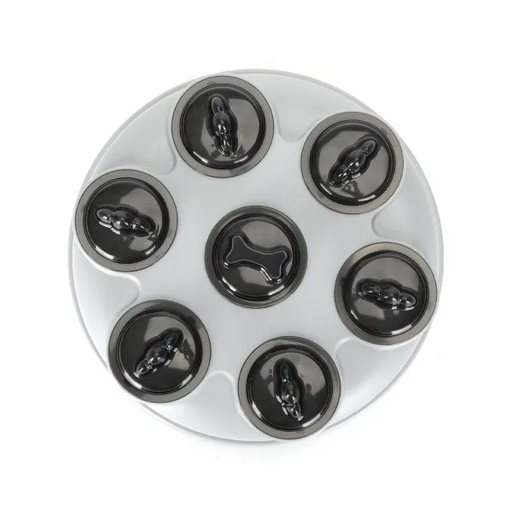
Why it stands out: This puzzle toy for dogs is designed to slow down eating speed while simultaneously promoting cognitive skills. The dog must operate various mechanisms to get to its food. The difficulty can be increased step by step.
Benefits:
Who is it for? This toy is suitable for dogs of all sizes that tend to eat too quickly or are looking for a mental challenge. It is an excellent way to turn daily feeding into an exciting and demanding activity.
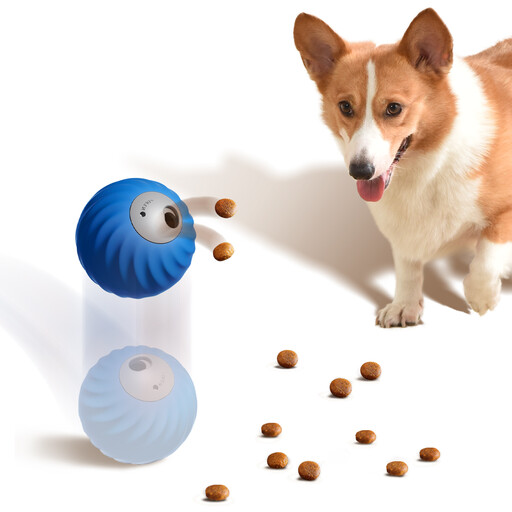
Why it stands out: This dog treat ball combines the functions of a moving toy with those of a food dispenser. Smart algorithms ensure irregular movements while the ball simultaneously releases treats. This creates a dual motivation for the dog.
Benefits:
Who is it for? Ideal for dogs that respond to both movement and food. This toy is a versatile all-rounder that serves as an anti-boredom dog toy and can also be used as a reward tool.
Haven't found the right toy for your dog yet? The world of dog toys is diverse and offers the right product for every personality and preference.
? Discover a wider selection in our category for howling dog toys.
1. What exactly are interactive dog toys? Interactive dog toys are designed to react to the dog's actions or prompt it to perform a specific action. Unlike a passive chew bone, it requires problem-solving, dexterity, or physical activity to receive a reward (e.g., food) or continue the game. The goal is mental and physical stimulation.
2. How long should a dog play with a puzzle toy? It is recommended to limit playtime with challenging puzzle toys to short sessions of 10 to 15 minutes. This prevents frustration and overstimulation. Supervise your dog during play to ensure it uses the toy correctly and does not damage it.
3. Which toy can help with separation anxiety? A food-filled puzzle toy or a treat ball can create a positive distraction when the dog has to be left alone. Focusing on the task of getting the food can help bridge the initial stress phase. However, it is important to understand that a toy alone cannot cure severe separation anxiety. It serves as a supportive tool within a broader training framework.