
Lieferung heute & morgen

Qualitätsgarantie

Willkommens-Angebote freischalten: KOSTENLOSE Lieferung | Bis zu 80 % RABATT | Kostenlose 30-Tage-JoyPlus-Testphase
App herunterladen
An interactive globe for kids promises to bring the world into the playroom and make geography tangible. But the selection is vast, and not every model advertised as an "educational toy" lives up to its claims. Many parents and relatives are looking for a meaningful back-to-school gift that sparks curiosity and provides long-lasting enjoyment. Before you make a decision, it's important to know the common weaknesses that can quickly put an end to the fun.
This guide will show you what to look for to make an informed decision and avoid common buying mistakes.
Marketing promises often sound tempting, but the devil is in the details. Pay attention to these three points to avoid disappointment:
To find the right model, you should focus on objective criteria. These three parameters are crucial for long-term value and enjoyment.
A high-quality educational globe goes beyond pure geography. Check which topic categories are covered. Ideally, the content includes:
A wide range of topics ensures that the educational toy for ages 7 and up still holds new discoveries months later and supports a fun way of learning geography for kids.
The type of interaction determines how engaging the globe is. Look for the following features:
The durability of a toy largely depends on its build quality.
Based on these criteria, we have identified some products that are suitable for different needs and interests.

Why This Fits Their Persona: Ideal for inquisitive primary school children who want to not only hear about the world but see it too. This model is a great choice as a central educational toy and a fitting gift for starting school.
It bypasses the trap of superficial interaction with its integrated screen that shows videos and animations. The four different game modes offer far more than just quizzing capital cities.
According to the manufacturer, it has over 9,000 audiovisual facts about cultures, animals, and languages. It is operated via a stylus attached to the device, which simplifies handling.

Why This Fits Their Persona: An alternative for children who want to explore their own world and capture it creatively. Instead of a predefined world, they discover their own environment and actively shape it.
This toy avoids passive use. Children become producers, not just consumers, of content. The instant print function delivers a tangible result and encourages active engagement.
Promotes creativity, media literacy, and basic technical skills. According to the manufacturer, it offers over 40 effects and 110 print templates for long-lasting creative fun.
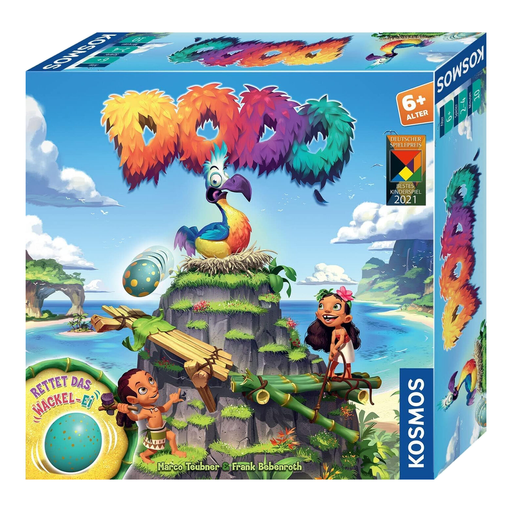
Why This Fits Their Persona: An excellent, budget-friendly option for families looking for a collaborative play experience. It promotes social skills and is a welcome change from digital, single-player toys.
This game is the opposite of superficial, passive entertainment. It requires active cooperation, communication, and motor skills to achieve the common goal.
Cooperative gameplay where all players act as a team. High-quality 3D game components and an exciting mechanism (the wobbly egg) ensure high replay value.
We have compiled a complete, real-time list of products that fully satisfy these strict selection criteria and UK safety regulations.
1. How up-to-date is the data on an interactive globe? Most models focus on a mix of basic geographical data (countries, capitals) and timeless content like cultures, wildlife, and natural phenomena. Political borders can change, but the core learning value—understanding the world's diversity—remains. Models like the VTech Video Globe offer such a broad knowledge base that the currency of individual political data plays a minor role.
2. Does an educational globe require a constant internet connection? Usually not. The electronic educational toys featured here are designed as standalone devices. All content, games, and videos are stored on the device and work without Wi-Fi or recurring costs. They are battery-operated, allowing for flexible use throughout the house.
3. From what age is an interactive globe useful? Most manufacturers recommend their models for children aged 7 and up. At this age, children begin to learn about world maps and continents in school (globe for first-graders). They have the necessary reading skills and motor abilities to explore the functions independently and understand the more complex concepts.