
Lieferung heute & morgen

Qualitätsgarantie

Willkommens-Angebote freischalten: KOSTENLOSE Lieferung | Bis zu 80 % RABATT | Kostenlose 30-Tage-JoyPlus-Testphase
App herunterladen
An interactive globe can be a captivating window to the world for children, sparking their interest in geography, cultures, and science. However, the market is filled with models whose features often promise more than they deliver. Before you make a purchase, it's crucial to understand the most common pitfalls that can cause an expensive educational toy to end up gathering dust in a corner.
This guide will help you identify the key features and find a model that will quench your child's thirst for knowledge for years to come.
Many well-intentioned purchases turn out to be a poor investment in hindsight. Pay close attention to these three points to avoid disappointment:
To choose the right model, you should focus on objective and functional features. The following three parameters are crucial for long-term play and educational value.
Carefully check which subject areas the globe covers. Good models go beyond pure geography and also teach about:
A globe with a screen offers a clear advantage here, as it can convey information not only acoustically but also visually through images or short video clips. This supports different learning styles and makes the content more tangible.
A high-quality interactive children's globe should offer more than just an exploration mode. Look for various game and learning options that challenge and motivate the child:
The controls should be intuitive, often via an interactive pen or a clear keypad, so that children can use the device independently.
An educational toy should be robustly built to withstand daily use. Look for a stable base and a durable globe surface. A crucial but often overlooked feature is the ability to update the globe's software and database. Some manufacturers offer free updates via a computer connection. This ensures that the geography learning toy provides correct and relevant information even years later, making it a sustainable investment.

Why This Fits Their Persona: Ideal for children fascinated by digital media. The combination of a physical globe and an integrated video screen creates a multimedia learning experience that goes far beyond traditional globes and digitally expands curiosity about the world.
This model avoids the trap of superficial content with over 9,000 facts and videos. The four different learning modes (including Quiz Show, World Tour) ensure long-lasting motivation and prevent one-sided interaction.
The integrated screen provides visual context that deepens understanding. The content is extensive, covering culture, animals, and languages in addition to geography, making it a versatile learning tool.
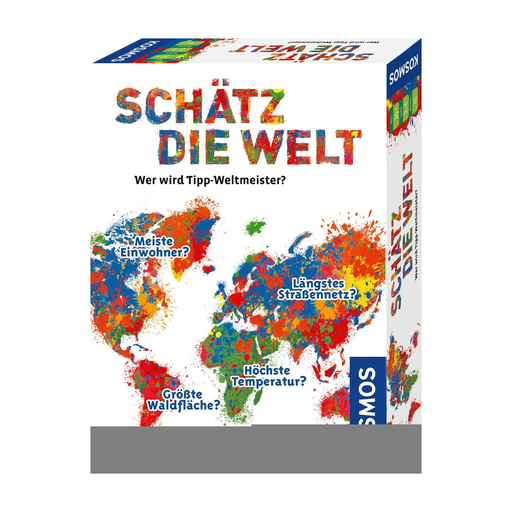
Why This Fits Their Persona: Perfect for families and friends looking for an alternative to digital learning. This board game encourages collaborative guessing and estimating of geographical facts, turning learning into a fun competition for up to five players.
Instead of relying on passive interaction, this game demands active thinking and discussion. It never gets boring, as each round creates new, surprising comparisons with 142 country cards and 18 categories.
Promotes estimation skills and a sense of global relations rather than just memorising facts. Its compact format makes it a great companion for travel and visits with friends.
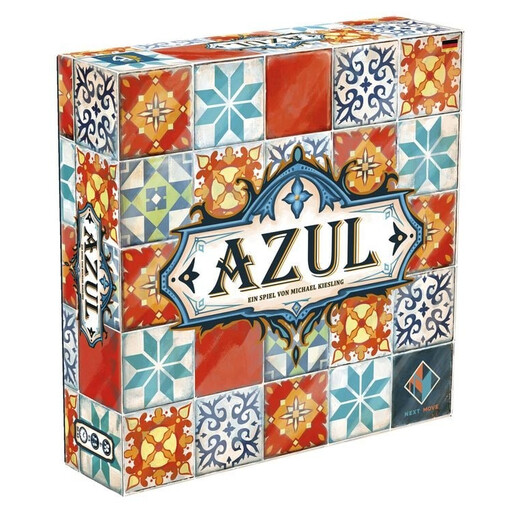
Why This Fits Their Persona: An excellent choice for children who enjoy logic and planning. Instead of teaching rote facts, this game trains forward-thinking and the ability to recognise patterns—an essential cognitive skill.
Azul avoids the trap of short-lived fascination because it has high replay value. Every game is different and requires new tactics. It's not a game you "beat" once and then set aside.
Winner of the "Spiel des Jahres 2018" (Game of the Year) award, it features a recognised, high-quality game mechanic. The tactilely pleasing game pieces and clean design make it an aesthetic and durable gift.
We've compiled a complete, real-time updated list of products that fully meet these strict selection criteria and German safety regulations.
The timeliness of the data varies greatly by manufacturer and model. Simple models without an update function may contain outdated information right out of the box. Higher-quality devices, especially those with a PC connection, often offer regular and free updates to the software and geographical database. It is advisable to check the product description for information on updatability before purchasing.
Yes, an interactive globe can be a very meaningful gift for starting school. It playfully supports the development of a worldview that begins in primary school science and social studies. It's important to choose a model whose complexity and operation match the child's developmental stage. A device with different difficulty levels can "grow" with the child and remain relevant for several school years.
Usually not. Most interactive globes, including those with a screen, have their content stored locally on the device. An internet connection is typically only required for one-time software updates, not for day-to-day operation. This makes them a flexible toy that can be used regardless of Wi-Fi reception.