
Lieferung heute & morgen

Qualitätsgarantie

Willkommens-Angebote freischalten: KOSTENLOSE Lieferung | Bis zu 80 % RABATT | Kostenlose 30-Tage-JoyPlus-Testphase
App herunterladen
Interactive learning games for children combine entertainment with tasks that develop logic, concentration, motor skills and language. The range available stretches from electronic learning games to classic board games for children. However, this very variety can lead to wrong purchases: a game might not be age-appropriate, require more accessories than expected, or quickly lose its appeal due to repetitive gameplay.
This buying guide highlights what details matter before you purchase and which types of games suit different everyday situations.
Claims like "100 challenges" or "180 learning games" sound impressive. What really matters, though, is whether the tasks match the child's age and developmental stage. A game with many variations can be unsuitable if the instructions are hard to follow or the difficulty level can't be adjusted.
Lights, sounds and movement make a game interactive. But they don't automatically replace varied gameplay rules. With electronic learning games, parents should check what specific actions the child performs: does the child need to remember a sequence, press buttons deliberately, or react to movements? The clearer the game mechanics, the easier it is to assess its actual purpose.
The recommendation "from 3 years" isn't a blanket approval for every child. Some games contain small parts and require direct supervision. When buying gifts for siblings of different ages, you should judge the game by the youngest child in the household and store it safely.
The manufacturer's age recommendation is your first filter. For educational games from 3 years, simple rules, larger controls and short rounds are usually best. From around 6 years, logic games for children, memory games and strategic board games can include more complex tasks.
Also pay attention to:
Electronic games need batteries or a rechargeable battery. Check whether batteries are included, how many are required, and whether a charging cable is supplied. For devices with a lithium-ion battery, charging should be done by an adult and the product should be stored in a dry place.
Learning toys without a screen can still contain electronic components. A screen-free learning game with audio playback or an interactive pen isn't automatically battery-free. The product description should clearly distinguish between screen, audio, light and mechanical operation.
Material details such as plastic, wood or paper help you assess everyday suitability. For travel, compact dimensions and a storage option are useful. With small game pieces, particularly note:
The CE mark indicates compliance with relevant EU requirements, but it is not an independent quality seal. For a purchasing decision, you should also consider the instructions, manufacturer details and specific safety information.
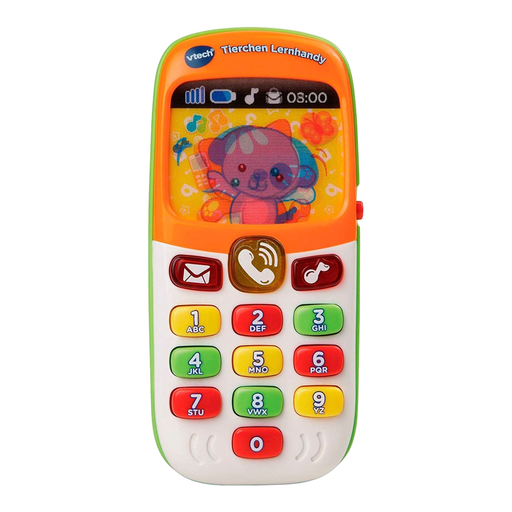
Why this product fits the profile: This handy learning toy is aimed at children from 3 years and works with buttons, lights, sounds and music. Two AAA batteries are included according to the product details.
The functions are clearly named in the product description. This makes it easier to assess before purchase whether a simple electronic learning game suits the child.
Compact dimensions of 15 × 7 × 3 cm; batteries included according to product data.
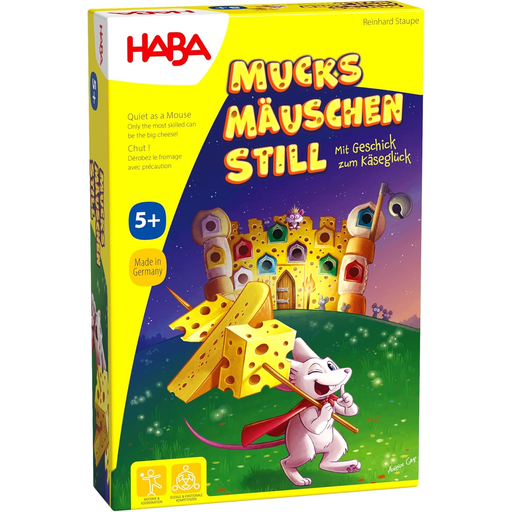
Why this product fits the profile: This skill game uses wood and paper, requires no batteries, and is designed for 2 to 4 players from 5 years.
The game concept isn't based on changing sound effects or batteries. The rules, materials and number of players are clearly stated in the product data.
350 g weight; group play with 2 to 4 people; no power supply required.
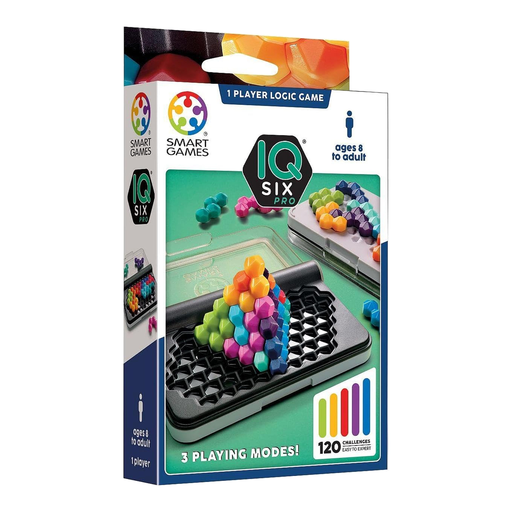
Why this product fits the profile: This compact logic game is designed for one person from 8 years and offers 120 challenges in three game modes according to the product description.
The challenges aren't just described by a total number, but are categorised into 2D, 3D and pyramid modes. This makes it easier to choose based on different play preferences.
Dimensions of 9.6 × 3 × 14.4 cm; manual operation without batteries; suitable for travel.
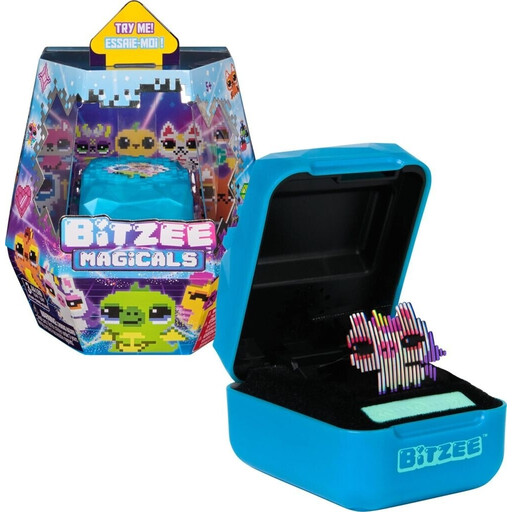
Why this product fits the profile: This handheld device for children from 5 years responds to touch, tilting and shaking. According to the product data, 20 virtual creatures and three AA batteries are included.
The operation isn't solely via a screen. The described motion and touch inputs make the interaction method transparent before purchase.
141 g weight; touchpad operation; three AA batteries included according to product details.
We've put together a complete, regularly updated list of products that fully meet these strict selection criteria and the safety regulations in force in the EU.
That depends on the individual product. Some educational games from 3 years use simple buttons or larger game pieces. Other logic games and reaction games are only intended from 5, 6 or 8 years. The age recommendation, warning notices and the child's ability to understand rules independently are what matter.
A fixed lifespan can't be given in general. The duration of use depends on the material, battery compartment, operation and storage. Battery-operated devices should be stored in a dry place, not opened, and kept without batteries after longer breaks if the manufacturer recommends this. With mechanical learning games, storing all parts completely reduces the risk of losing them.
Learning toys without a screen can be a suitable option when children are meant to work with cards, building blocks, pens or analogue game boards. Even a game with light or audio can manage without a classic display. So what matters isn't just the label, but the specific technical features and the type of tasks.