
Lieferung heute & morgen

Qualitätsgarantie

Willkommens-Angebote freischalten: KOSTENLOSE Lieferung | Bis zu 80 % RABATT | Kostenlose 30-Tage-JoyPlus-Testphase
App herunterladen
Interactive learning toys for children combine play with sounds, lights, movement or digital responses. The range includes everything from sensory toys for babies to digital pets for children. However, not every product will suit every age or family’s daily routine, whether you’re a parent, grandparent or other relative.
Lights, music, buttons and voice control may seem versatile at first glance. What matters, though, is whether the features suit your child’s age and attention span. A toy with extensive app connectivity may not be right for a toddler, while a simpler toy with just a few buttons may get more use in the long run.
Age recommendations aren’t just a marketing detail. Small parts can pose a choking hazard. Battery compartments, moving parts and launch mechanisms also need to be checked carefully. Toys labelled “ages 3+” shouldn’t be passed on to younger children.
Electronic learning toys need batteries or charging. Smart toys may also require Wi-Fi, an app or a limited-term subscription. Before buying, make sure you check:
For learning toys for babies and toddlers, look for large, easy-to-grip parts, clear sounds and simple cause-and-effect actions. A toy with music and lights should do more than entertain: it should be easy to understand and use. Pressing, turning, sliding or touching should trigger a clear response.
From around age three, role-play toys, figures, story players for children and their first digital interactions may appeal. If you’re considering an AI talking cuddly toy, check how the voice control works, whether an app is required and what data is processed.
Look for sturdy materials, a secure battery compartment and firmly attached parts. With baby toys, check detachable rings, straps and small accessories especially carefully. A toy for use on the go should be easy to clean with a dry or slightly damp cloth, if the manufacturer allows it.
The CE marking indicates that the manufacturer has taken the applicable EU requirements into account. However, it doesn’t replace checking the specific age recommendation and safety warnings. For battery-powered products, follow the charging instructions too, and don’t continue using damaged batteries.
For toys with music and lights, volume control and the option to turn off the sound are useful features. For example, the Fisher-Price learning toy has volume control and, according to the product description, more than 35 songs, sounds and phrases.
When choosing a Wi-Fi or app-enabled toy, take the network standard, app membership and data privacy into account. According to the product description, the BubblePal toy requires 2.4 GHz Wi-Fi and includes a 12-month premium app membership. Parents should set it up with their child and supervise how it’s used.
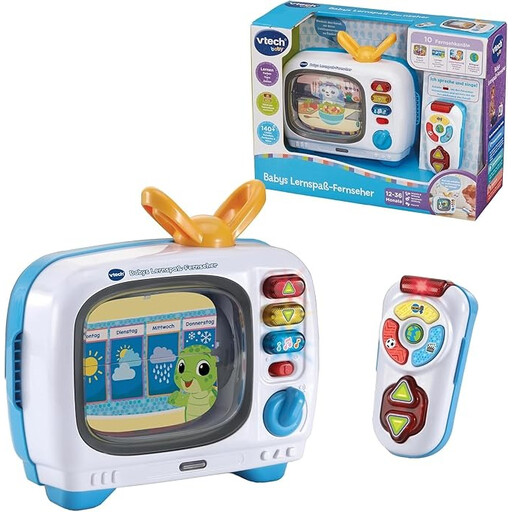
Why this product suits this profile: This electronic learning toy is designed for children aged 12 months and over. It features buttons and turning elements, songs and animal sounds, as well as content about numbers, shapes and colours.
The age recommendation and how to use the toy are clearly stated. According to the product details, two AAA batteries are included; the warning about small parts should still be observed.
Suitable from 12 months; 13,3 × 32,5 × 24,1 cm; interactive buttons and turning components.
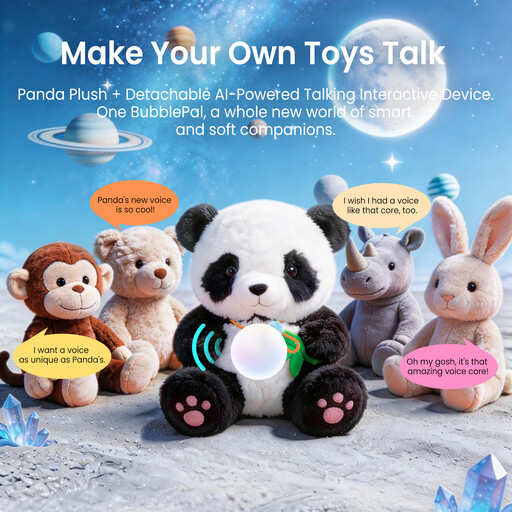
Why this product suits this profile: According to the seller, this screen-free cuddly toy is designed for children aged 3 to 12. It combines a plush panda with a detachable Smart Core.
The technical requirements are clearly listed: 2.4 GHz Wi-Fi, a companion app and a push-to-talk function. An adult should set it up before use.
Detachable Smart Core; 16 selectable AI characters according to the product description; no camera or GPS according to the seller.
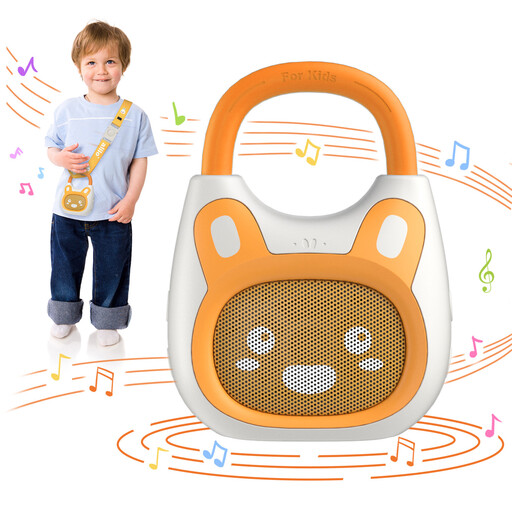
Why this product suits this profile: This portable music player combines story content for children with books, learning cards, songs and recordings. According to the product details, it’s designed for children aged 3 and over.
The contents and accessories are listed in detail. The charging time, USB-C connection and requirement for adult supervision while charging are also specified.
48 children’s songs, 16 stories and 14 lullabies according to the product description; up to six hours of battery life.
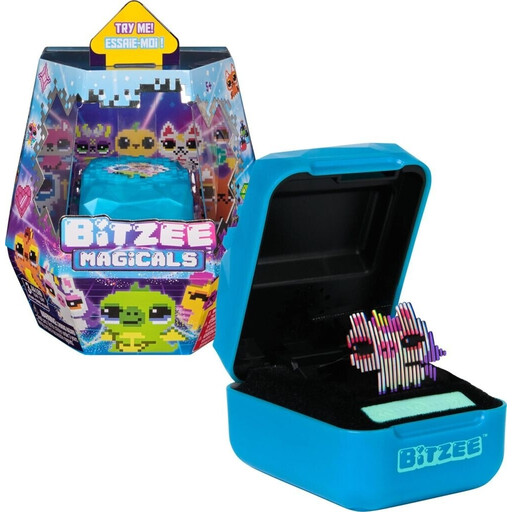
Why this product suits this profile: This digital pet for children aged 5 and over responds to touch, tilting and shaking. It’s a good option for families looking for a compact toy that doesn’t need Wi-Fi.
Three AA batteries are included according to the product details. Check the age recommendation of 5+ and the warning about small parts before giving it as a gift.
20 virtual pets according to the product description; touchpad controls; no assembly or app set-up required.
We’ve put together a comprehensive, regularly updated list of products that meet these strict selection criteria and fully comply with the safety regulations in force in the EU.
From age 1, large controls, sturdy materials and simple responses are a good choice. An interactive toy for 1-year-olds shouldn’t have small parts that can be detached easily, and should be used under supervision. According to the product details, the VTech Babies' Fun Learning TV is suitable from 12 months.
How long they last depends on the materials, batteries, charging cycles and how often they’re used. Battery-powered toys may run out more quickly if they’re accidentally left switched on. For rechargeable toys, use only the supplied charging cable and stop using the product if you notice any visible damage.
Simple toys with music or lights usually incur battery costs. Rechargeable toys use electricity and need to be charged regularly. Smart toys may also require Wi-Fi and app memberships. Before buying, check not only the purchase price but also the cost of accessories, batteries and any subscriptions.