
Lieferung heute & morgen

Qualitätsgarantie

Willkommens-Angebote freischalten: KOSTENLOSE Lieferung | Bis zu 80 % RABATT | Kostenlose 30-Tage-JoyPlus-Testphase
App herunterladen
The world of children's toys is vast and constantly evolving. In particular, interactive toys—which blend classic play concepts with digital or mechanical features—are gaining significant popularity. For parents, grandparents, and gift-givers, it can be challenging to navigate the options and find a suitable product that is both enjoyable and age-appropriate.
As your Joybuy Product Recommendation Officer, my goal is to provide you with clear guidance. This article showcases a selection of the latest interactive toys and offers objective criteria to help you make an informed decision.
To find the right toy, a few key considerations are helpful. The following points are based on objective product features and common standards.
The manufacturer's age recommendation is a crucial starting point. A toy for ages 2 and up is typically designed around simple cause-and-effect principles, such as a sound-enabled toy that responds to a button press. For older children, such as with toys for ages 5 and up, the interaction can be more complex. This includes toys that involve strategic thinking, nurturing, or collecting collectible figures.
Interactive toys can support a child's development in many ways. Educational toys specifically target cognitive skills like matching shapes and sounds. A digital pet can teach children responsibility, as it requires care and attention. Other toys focus on the element of surprise (surprise toys) or stimulate sensory perception through tactile and auditory feedback.
For electronic toys, look for the CE mark, which confirms compliance with EU safety standards. The materials should be durable and non-toxic for children. Information on material composition and any necessary warnings can usually be found on the product packaging.
The following products illustrate the diversity within the interactive toy category. They have been selected for their unique features and play concepts.

Why it stands out: This toy combines the thrill of a surprise with the fun of collecting figures. The gameplay is simple and mechanical: a toy bread slice is placed into the toaster, and after pressing down the lever, a scented plush toy pops out.
Advantages:
Who is it for? This product is aimed at children aged 5 to 12 who enjoy collecting figures and playing with toys that have a surprise element. It's an excellent option for a gift for children in this age group.
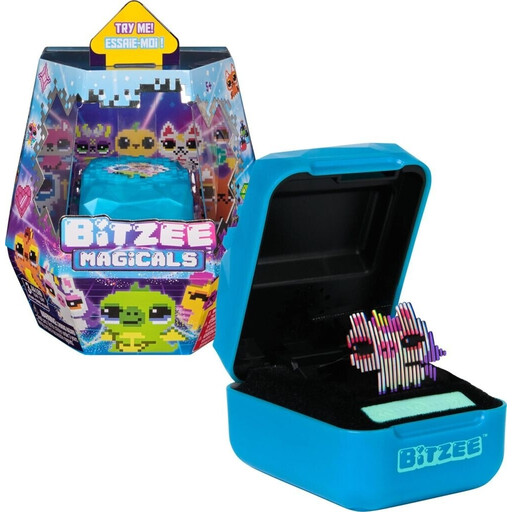
Why it stands out: Bitzee Magicals is a modern Tamagotchi alternative that makes a virtual pet tangible. Instead of a flat screen, it uses a flexible display that responds to touch, tilting, and shaking. This allows children to interact directly with the digital character.
Advantages:
Who is it for? Recommended for children aged 5 and up who are interested in a digital pet. It offers a screen-based yet physically interactive play experience and is one of the latest new toy releases.
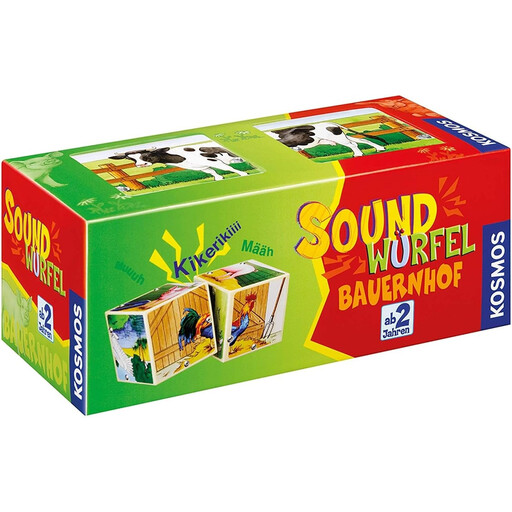
Why it stands out: This educational toy for toddlers combines a classic block puzzle with auditory feedback. When the cubes are correctly assembled to complete an animal picture, the corresponding animal sound is played.
Advantages:
Who is it for? Ideal as a toy for ages 2 and up. It helps toddlers playfully discover the world of animals and sounds while gaining their first puzzle-solving experience.
This selection represents just a small sample of what's available. Interactive toys come in many forms, from talking dolls to programmable robots. If you'd like to explore a wider range of toy animals, from classic plush figures to interactive companions, you can find more options in our Toy Animals category.
Interactive toys are products that actively respond to a child's actions. This response can be triggered by sensors for touch, motion, or sound. Unlike passive toys, they create a two-way interaction that makes gameplay dynamic.
This largely depends on the specific product. Simple models like sound cubes or touch-and-feel books are suitable as toys for ages 2 and up. More complex toys, such as a digital pet or programmable building kits, are generally aimed at children ages 5 and up, as they require a greater level of understanding and fine motor skills.
Interactive educational toys can teach concepts in an engaging way. The direct feedback from the toy motivates children to engage with a task. Depending on their design, they can playfully promote cognitive abilities, problem-solving skills, creativity, or motor skills.