
Lieferung heute & morgen

Qualitätsgarantie

Willkommens-Angebote freischalten: KOSTENLOSE Lieferung | Bis zu 80 % RABATT | Kostenlose 30-Tage-JoyPlus-Testphase
App herunterladen
Finding the right interactive toy can quickly become overwhelming. The market is flooded with products that boast lights, sounds, and digital promises. But not every flashing toy promotes development or ensures long-lasting fun. Often, impulse buys lead to frustration for both children and parents. This guide will help you avoid common purchasing pitfalls and make an informed decision.
As a Joybuy Product Recommendation Officer, I analyse market data to provide you with objective, practical advice that goes beyond marketing hype.
Before you make a purchase, it's helpful to know the three most common issues that can quickly diminish a toy's value:
To make a great choice, you should focus on a few fundamental, objective features. These parameters will help you better assess a product's quality and long-term play value.
The type of interaction must match the child's developmental stage. For toddlers aged 2 to 4, a motor skills toy with simple cause-and-effect mechanisms is ideal. Large, easily accessible buttons that trigger clear reactions like lights or sounds help them understand connections.
For older children aged 5 and up, an educational toy can be more complex. Programmable robots, interactive globes, or puzzles that tell a story challenge cognitive skills and promote logical thinking. Ensure the toy's complexity can grow with the child's abilities to avoid them becoming underwhelmed or overwhelmed.
Durability is crucial, especially for electronic toys. Products made from high-quality ABS plastic are generally more resistant to bumps and drops. Another important criterion is the CE marking. This mark confirms that the manufacturer declares compliance with applicable EU regulations for safety, health, and environmental protection. It is a basic indicator of adherence to European safety standards.
The power source directly impacts running costs and user convenience.
Here are some recommendations tailored to different interests and age groups that meet the criteria mentioned above.
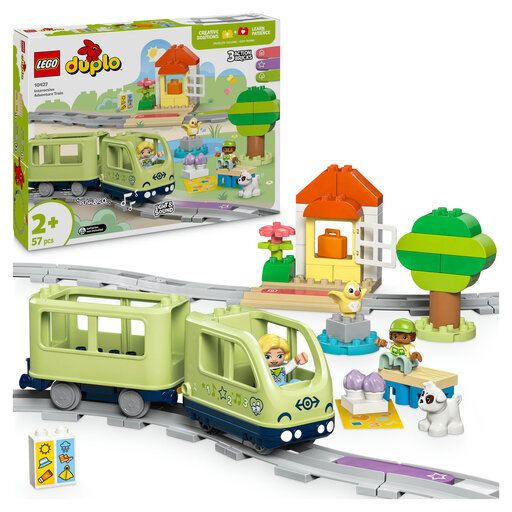
Why This Fits Their Persona: Ideal for children aged 2 and up who love to build and are taking their first steps into interactive play. It combines the tactile experience of building with simple, easy-to-understand light and sound effects.
The expandability of the LEGO DUPLO system ensures long-term play value, avoiding the "short-lived fascination" trap. Its robust quality is designed to withstand play by toddlers.
Promotes motor skills, creativity, and problem-solving through building and interactive action bricks. Compatible with other DUPLO sets for limitless play possibilities.
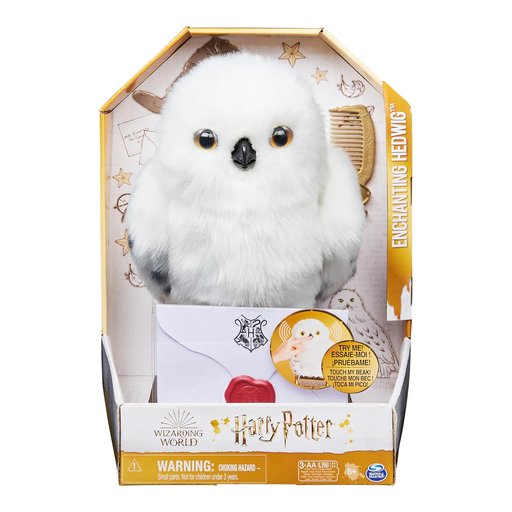
Why This Fits Their Persona: Perfect for children aged 5 and up who love imaginative role-playing. The owl responds to touch and tone of voice, fostering a strong emotional bond and immersive play.
Its dynamic interaction, featuring over 15 different sounds and movements plus voice recognition, holds a child's interest far longer than simple, repetitive toys.
Offers a multi-layered play experience by combining a plush toy with an interactive character. The ability to "deliver messages" sparks the imagination.
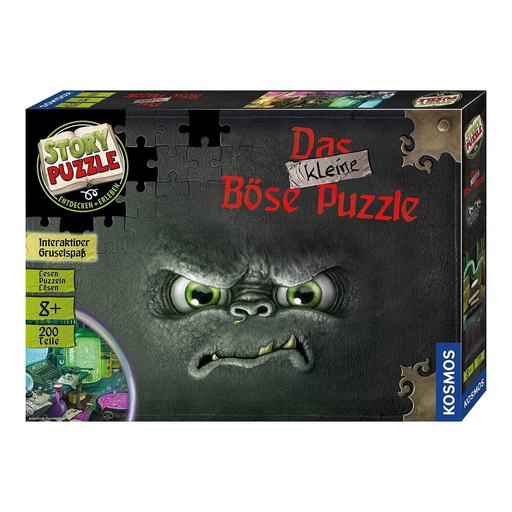
Why This Fits Their Persona: Appeals to children aged 8 and up who enjoy challenges and stories. It's more than just a puzzle—it's an interactive adventure that combines reading, puzzling, and problem-solving.
The value lies in the entire multi-stage process, not in a single electronic feature. This creates sustained engagement that goes far beyond simple light and sound effects.
Promotes concentration, reading comprehension, and problem-solving skills. The combination of different activities ensures a varied and captivating experience.
We have compiled a complete, up-to-date list of products that fully meet these strict selection criteria and European safety regulations.
The CE marking is a declaration by the manufacturer that the product complies with the applicable directives of the European Union. It is not a quality seal or a test mark from an independent body, but it is a fundamental requirement for selling toys in the EU. It signals that basic safety requirements, such as those for electrical safety and the materials used, have been met.
Since electronic toys cannot be submerged in water, they must be cleaned with care. Use a soft, slightly damp cloth to wipe the surfaces. Avoid getting moisture directly into any openings, buttons, or charging ports. For plush toys with electronic components, always follow the manufacturer's care instructions, which often only permit surface cleaning.
There is no one-size-fits-all age; the type of toy is the deciding factor. Simple toys that produce a reaction at the push of a button can be engaging for children from around 18 months, helping them understand cause and effect. More complex creative toys for kids, such as programmable robots or interactive puzzles, are generally suitable for primary school-aged children from 6 to 8 years old. The key is to match the toy to the child's individual development and interests.