
Lieferung heute & morgen

Qualitätsgarantie

Willkommens-Angebote freischalten: KOSTENLOSE Lieferung | Bis zu 80 % RABATT | Kostenlose 30-Tage-JoyPlus-Testphase
App herunterladen
Interactive toys combine movement, touch, sight, logical thinking or reaction. As a result, the range extends from simple skill games for children to challenging puzzles for teenagers and adults. However, buying one isn’t always straightforward: product images often show spectacular effects, while important details about age suitability, materials, space requirements or care can be hard to find.
A complex Rubik’s Cube can be interesting for experienced teenagers, but a magnetic cube with small magnets is not suitable for toddlers. The age rating is therefore not a decorative suggestion, but a key selection criterion. For products containing magnets, small parts or a rechargeable battery, use by younger children should only be in line with the manufacturer’s instructions and under supervision.
Liquid Floor Tiles and sensory floor tiles need a flat, dry surface. An anti-slip underlay can improve stability, but it doesn’t replace a safe environment. For playrooms, classrooms or sensory rooms, you should also check edges, doorways and the distance to furniture.
A Speedcube 6x6 has significantly more layers than a 3x3 cube and, according to the product description, is aimed at experienced users. For beginners, the high level of complexity can quickly lead to frustration. Conversely, a very simple reaction game may offer too little variety for skilled teenagers. What matters is the match between the product’s demands and the user’s profile.
Check before you buy:
According to the product information, the Shashibo cube is intended for children aged 8 and over. The ‘Confetti’ variant contains 36 embedded magnets and must not be used by children under 3 years old. Magnets should never be put in the mouth and, if the casing is damaged, the product should no longer be used.
For frequently used products, robust, easy-to-clean surfaces make sense. Splashes of water, harsh cleaning agents or prolonged high temperatures can damage plastic, stickers or internal mechanisms.
For a Speedcube, a soft, dry cloth is usually recommended. Liquids should not get into the mechanism. For floor tiles, details about PVC, sealing, the underside and indoor use are relevant. For the six-way adjustable catching stick game station, cleaning with a dry cloth is specified; water should be avoided.
Floor tiles take up significantly more space than a cube. Before ordering, measure the available floor area and the desired number of tiles. For an electronic reaction game, battery type, charging accessories and charging time are important points. The Falling Sticks game is charged via USB and, according to the product information, contains a lithium-ion battery.
Mechanical puzzle cubes do not require any power. For demanding Speedcubes, special lubricant can be useful for maintaining the mechanism. This does create additional, but predictable, ongoing costs.
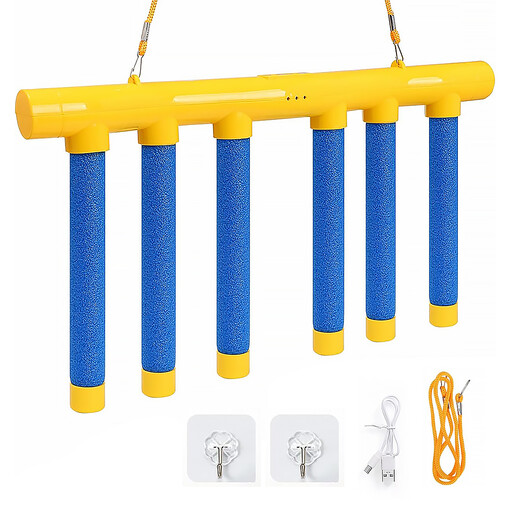
Why this product fits the profile: This game offers a clear introduction to interactive play and can be used at family evenings or children’s birthday parties. Three adjustable falling speeds allow it to be adapted to different skill levels.
The adjustable speed prevents the game from being designed exclusively for skilled users. Age information, battery supply and the need for supervision should be checked before use.
USB rechargeable operation, three falling speeds and soft EVA foam sticks according to the product description.
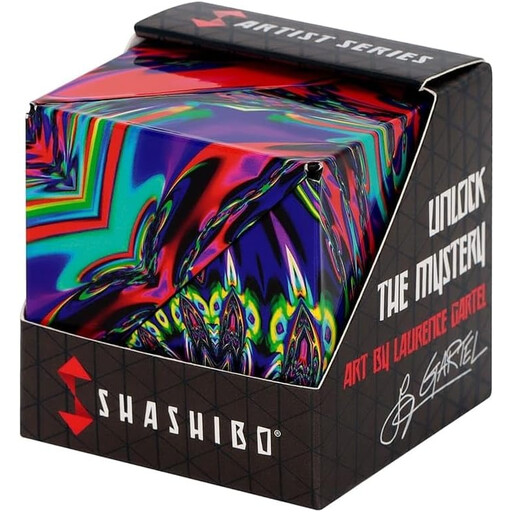
Why this product fits the profile: This compact magnetic puzzle cube is designed for single players aged 8 and over and can be used without power. It’s ideal for creative breaks at home, on the go or at your desk.
The product information states the material, dimensions of approximately 5.84 cm per side, weight of 109 g and the number of magnets. This makes the key purchasing data transparent.
36 magnets, over 70 stated shape variations and the ability to connect multiple cubes together.
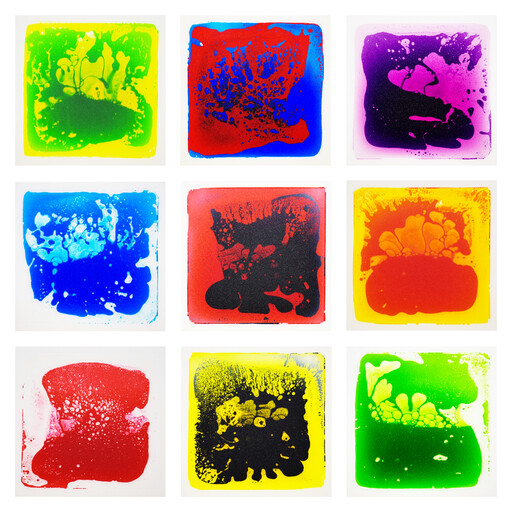
Why this product fits the profile: Nine tiles are suitable for playrooms, educational spaces or smaller sensory areas, provided there is a level indoor space available.
The details state the pack size, the reinforced PVC underside and the intended indoor use. This makes planning the area and location much easier.
Dynamic liquid movement under pressure, anti-slip underside and, according to the product description, sealed, low-emission materials.
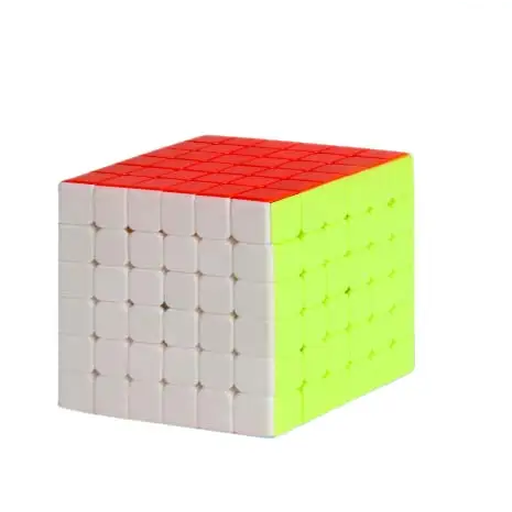
Why this product fits the profile: This six-layer cube is aimed, according to the description, at experienced cubing fans who want to use algorithms and complex solving methods.
The clear classification as a challenging 6x6 cube helps prevent it from being mistaken for a beginner model. Maintenance and dust-free storage are particularly important for a complex mechanism.
Stickerless ABS plastic, coloured plastic elements and a core designed, according to the description, to prevent jamming.
We’ve put together a complete, regularly updated list of products that fully meet these strict selection criteria and the safety regulations in force in the EU.
That depends on the product. Some catching and movement games are intended from age 3 according to the product information, while magnetic puzzle cubes like the Shashibo are recommended from age 8 or 7 respectively. The specific age labelling and safety instructions for each item are always the deciding factors.
That depends on the pack size and the dimensions of the individual tiles. A set of nine tiles needs more space than a pack of four. Measure the intended area and leave enough room to move around furniture, walls and doors.
Mechanical products like a Rubik’s Cube do not normally need power. Electronic versions need to be charged; for a Speedcube, care products like lubricant can also be useful. For floor tiles, the main costs are for cleaning and, if necessary, replacement if a tile gets damaged.