
Lieferung heute & morgen

Qualitätsgarantie

Willkommens-Angebote freischalten: KOSTENLOSE Lieferung | Bis zu 80 % RABATT | Kostenlose 30-Tage-JoyPlus-Testphase
App herunterladen
Interactive toys promise to combine fun with educational content, keeping children engaged for hours. But the reality is often different: an expensive device gets tossed in a corner after just a few days, or its features cause more frustration than joy. As a Joybuy Product Recommendation Officer, I'm here to help you spot the common pitfalls and make an informed decision that truly meets your child's needs.
Many products on the market are overloaded with features that offer little real-world value. Watch out for these three common problems to avoid disappointment:
To find a suitable and long-lasting interactive toy, you should focus on objective criteria rather than marketing promises. The following three parameters are crucial.
The manufacturer's age recommendation is a starting point, but the type of interaction is what's critical. For toys for preschoolers, simple cause-and-effect principles are ideal—a press triggers a light or a sound. Older children, however, need more complex challenges like programmable sequences, quiz questions, or strategic elements, such as those found in some interactive family games. Check if the toy can grow with the child's abilities, for example, through different difficulty levels or expandable content.
A high-quality educational toy for children is defined by its durability. Look for the following features:
A good interactive toy offers more than just one function. Look for products that enable different ways to play:
Based on these criteria, we have identified some products that are well-suited for different profiles and age groups.
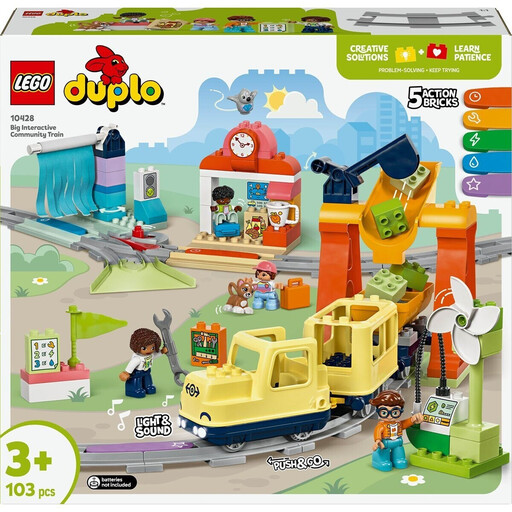
Why This Fits Their Persona: Ideal for preschoolers getting their first experience with cause-and-effect relationships. The large, sturdy components are designed for small hands and safely promote fine motor skills.
The five interactive Action Bricks provide varied responses (light, sound, direction changes), preventing boredom from setting in quickly. The set is compatible with other LEGO DUPLO trains and is therefore expandable, which avoids the problem of short-lived fascination.
Playfully promotes problem-solving and motor skills. The Push & Go function is intuitive and requires no complicated controls.

Why This Fits Their Persona: Perfect for primary school-aged children who want to discover the world. The device combines visual and auditory learning in a way that sparks curiosity and encourages independent exploration.
With four different game modes (Explore, Quiz Show, Globe Detectives, World Tour) and over 9,000 facts, the globe offers enormous depth of content that goes far beyond a simple Q&A game, ensuring long-lasting interest.
Comprehensive, verified learning content on geography, cultures, animals, and languages. It can be operated independently without constant parental supervision.
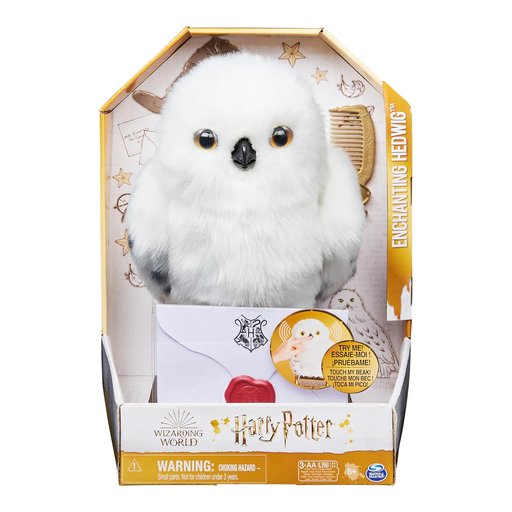
Why This Fits Their Persona: This toy is less of an educational tool and more of a companion for imaginative play. It appeals to children who love to create stories and form an emotional bond with their toys.
The interaction is not repetitive. Hedwig reacts to touch and the tone of your voice, leading to unpredictable and varied responses. This encourages open, creative role-play instead of a rigid play pattern.
Over 15 different sounds and movements create a realistic play experience. The function to deliver a message is an original idea for imaginative adventures.
We have compiled a complete, up-to-date list of products that fully meet these strict selection criteria and German safety regulations.
How do you properly clean electronic toys with sound? Since these toys cannot be submerged in water, surface cleaning is the way to go. Use a soft, slightly damp cloth to remove dirt. Avoid harsh cleaning agents and ensure no moisture gets into speaker openings or the battery compartment. Always follow the manufacturer's specific cleaning instructions.
What batteries are best for interactive toys? Most interactive toys use standard batteries like AA or AAA. Check the product description before purchasing. For frequent use, rechargeable batteries can be a cost-effective and more environmentally friendly alternative. Be sure to use only the battery type recommended by the manufacturer to avoid damaging the electronics.
At what age are interactive toys truly beneficial? This largely depends on the specific product. Simple toys that react to basic actions with light or sound effects can be stimulating for children as young as two or three, helping them understand cause and effect. More complex devices with programming functions, quizzes, or strategic elements are better suited for older, school-aged children who can understand instructions and complete the tasks.