
Lieferung heute & morgen

Qualitätsgarantie

Willkommens-Angebote freischalten: KOSTENLOSE Lieferung | Bis zu 80 % RABATT | Kostenlose 30-Tage-JoyPlus-Testphase
App herunterladen
Buying international snacks online makes it easier to access Indian snacks, African snacks and popular German salami snacks. At the same time, products can vary considerably in terms of ingredients, allergens, pack size and storage. Eye-catching packaging or a long-established brand name alone says little about whether a snack suits your everyday routine.
A large pack may seem practical at first glance, but it can be unsuitable if the contents quickly lose their crispness after opening. Individually wrapped snacks are often easier to portion for the office, school or when you’re out and about. For teatime or party snacks, however, a resealable pack may be the more sensible choice.
Indian mixes such as Chanachur, Sev or All-in-One often contain peanuts, cashews, wheat or sesame. African snacks such as Chin Chin may contain wheat and milk. Depending on the variety, salami products may contain wheat, milk or egg, among other ingredients. The labelling on the packaging delivered to you is the authoritative source, as recipes and packaging can change.
Savoury snacks can have very different seasoning profiles, ranging from mildly salty to distinctly hot. Terms such as ‘spicy’, ‘masala’ or ‘pepper’ offer an indication, but do not replace checking the ingredients. If you’re looking for snacks for the family or a mixed group, you can combine different flavours instead of choosing just one large pack.
First, check the ingredients list and highlighted allergens. The following are particularly relevant:
Nutritional information normally refers to 100 g, rather than the amount actually consumed. A 200-g bag may therefore contain several portions. For example, BiFi Original is listed as containing 509 kcal, 45 g of fat and 4.2 g of salt per 100 g. These figures are provided for objective comparison and do not constitute a recommendation for any particular diet.
For crunchy snacks, the packaging is a practical selection factor. A tub or resealable bag can make portioning easier after opening. Pakkavada is made from rice and chickpea flour and is sold as a ribbon-shaped, crunchy snack. Murukku is typically spiral-shaped and eaten straight from the pack.
Salami snacks such as BiFi Original or BiFi Roll are also ready to eat, but differ in shape: the mini salamis are individually portioned, while BiFi Roll is combined with a dough coating. When you’re out and about, it’s therefore not just the flavour that matters, but also whether you’re looking for a dry, compact individual portion or a snack to share.
Check the best-before date on the packaging, along with the specific storage instructions. Dry snacks generally belong in a cool, dry place and should be protected from moisture. After opening, an airtight container is useful for mixes and crunchy snacks.
BiFi Original XXL is stated to require storage between 2 and 25 °C and protection from heat. The following applies to all products: the information on the packaging delivered to you takes precedence. For international specialities, you should also check whether a responsible importer or English-language labelling is provided.
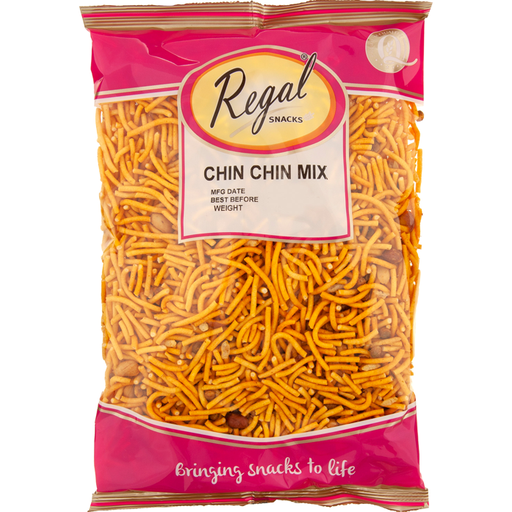
Why this product suits this profile: The 375-g pack is ideal for trying African snacks or sharing with several people. Chin Chin is described as a lightly sweet, crunchy wheat snack.
The ingredients and allergens are clearly stated: wheat and milk are included; traces of egg, peanuts and nuts may be present.
375 g of product, resealable packaging and versatile use when you’re out and about or as a party snack.
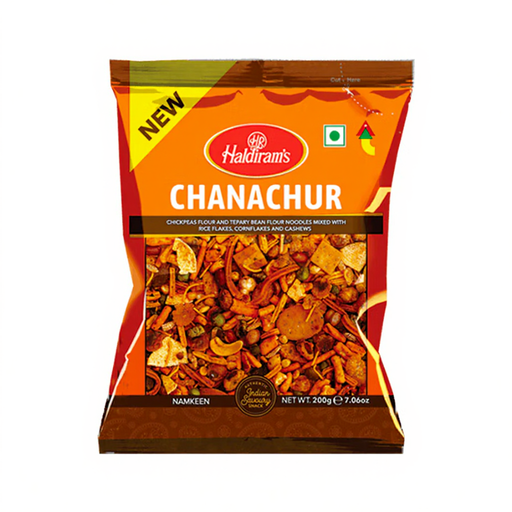
Why this product suits this profile: This mix combines Sev, lentils, peanuts, green peas and rice flakes with spices. It’s ideal for shoppers looking for several textures in one Indian snack.
The product information lists wheat, peanuts and cashews among the allergens, along with possible traces of other ingredients.
Vegetarian snack mix, 200-g bag and versatile use as a teatime snack, party snack or chaat topping.
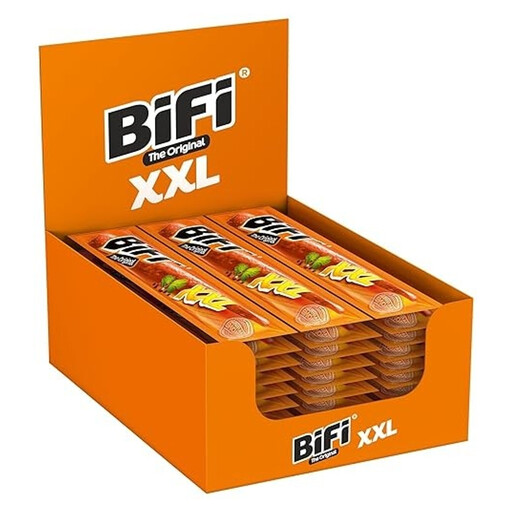
Why this product suits this profile: The large pack of 30 individually wrapped 40-g sticks is designed for regular use in the office, on trips or in larger households.
The individual wrappers help prevent the issue of a large pack drying out quickly. Storage and consumption after opening still need to be considered.
30 portions, a total quantity of 1.2 kg and ready-to-eat salami sticks made with pork and beef.
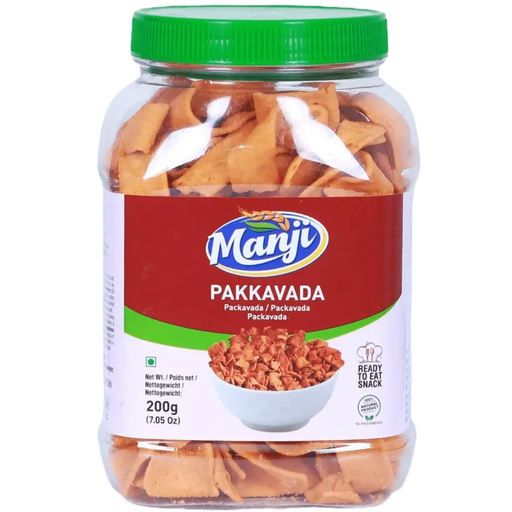
Why this product suits this profile: Pakkavada, also known as Ribbon Pakoda, consists of ribbon-shaped pieces made from rice and chickpea flour, with chilli and cumin. It’s a great choice for a spicy teatime or snack platter.
The ingredients list includes rice and chickpea flour, spices and possible traces of peanuts and sesame. This makes it easier to choose with confidence.
200-g pack, vegetarian recipe according to the product information, plus ready-to-eat, crunchy pieces.
If you’re specifically looking for Haldiram's snacks, Chanachur is joined by Long Sev, Golden Mix, Mathri and various All-in-One mixes. Long Sev consists of thin chickpea-flour strands and can be enjoyed on its own, with chutney or as a topping. Murukku is another option for lovers of South Indian snacks. For smaller individual portions, there are BiFi Original Salami Snacks 4x18,5 g or BiFi Roll Salami in baked dough.
We have put together a complete, regularly updated list of products that fully meet these strict selection criteria and the safety regulations applicable in the EU.
Individually wrapped products such as BiFi Original or BiFi Original XXL are practical when you’re out and about. They require no preparation and can be carried in a bag, taken to the office or packed in a lunchbox. For open mixes, you should choose resealable packaging or use a suitable container.
Store the unopened pack in a cool, dry place according to the manufacturer’s instructions. After opening, Chanachur, Sev, Chin Chin and similar savoury snacks should ideally be sealed in an airtight container. Moisture and direct sunlight can affect the texture and product quality.
Read the allergen information on the product page and check the packaging again when your order arrives. Common warnings concern wheat, milk, egg, peanuts, tree nuts and sesame. Where traces may be present or recipes may differ, the information on the current packaging should be decisive.