
Lieferung heute & morgen

Qualitätsgarantie

Willkommens-Angebote freischalten: KOSTENLOSE Lieferung | Bis zu 80 % RABATT | Kostenlose 30-Tage-JoyPlus-Testphase
App herunterladen
The search for authentic cooking ingredients from around the world can be a culinary journey that begins right in your own kitchen. Anyone who wants to prepare true-to-the-original dishes often relies on a well-stocked online delicatessen. However, buying international specialties online also has its pitfalls. Not every product advertised as "authentic" delivers on its promise. This guide will help you distinguish marketing hype from genuine quality and find the right products for your culinary adventures.
As your Joybuy Product Recommendation Officer, I have made it my mission to filter market information and provide you with objective, practical shopping advice.
Before you fill your shopping cart, you should be aware of three common issues that can arise when purchasing international foods:
To avoid disappointment, it is advisable to carefully check three core parameters before purchasing. These will help you identify high-quality cooking ingredients from around the world.
A short, understandable ingredients list is often a sign of a high-quality product.
Authenticity is often tied to a specific region or a traditional manufacturer. Vague statements like "Product of the EU" are less helpful than a concrete mention of the place of manufacture, for example, "Made in Gaziantep, Turkey" for pepper paste or "Made in Mexico" for a salsa. A transparent manufacturer that provides clear contact and address details on its packaging builds trust.
For many international specialties, glass is the packaging of choice. It is flavor-neutral, impermeable to gases, and effectively protects the contents from external influences.
To make your decision easier, we have selected a few products based on different user profiles.
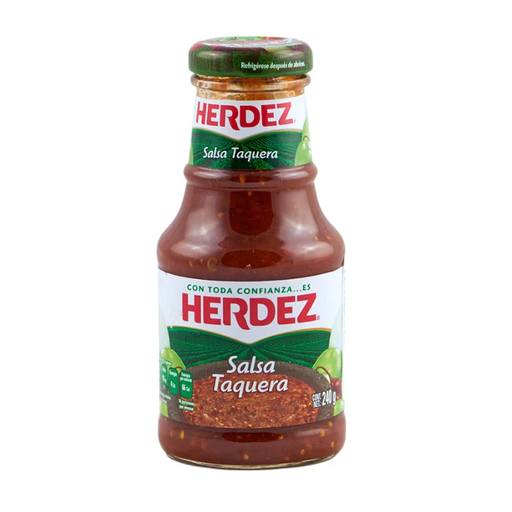
Why this product is a great fit: Ideal for anyone seeking the genuine taste of Mexican tacos. This salsa is based on green tomatoes (tomatillos) and chiles, the cornerstones of a traditional salsa verde, and is not primarily designed for sweetness.
It sidesteps the "authenticity" trap by using 75% green tomatoes instead of red tomato concentrate and sugar, which is characteristic of a real taqueria salsa.
A clear, short ingredients list with a high percentage of the main ingredient. The glass jar preserves the fresh, tangy flavor.
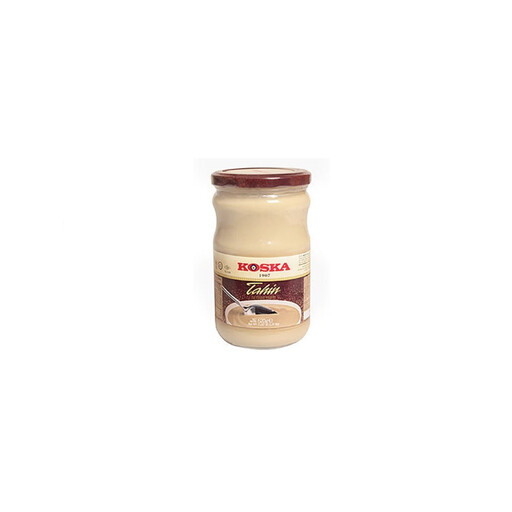
Why this product is a great fit: Perfect for health-conscious cooks looking for a pure ingredient for hummus, dressings, or baking. This tahini is made from unhulled sesame seeds, giving it a more intense flavor and a richer nutrient profile.
Avoids the trap of unclear ingredients. The list is maximally transparent: 100% roasted sesame seeds. No added oils, no sugar, no preservatives.
A pure, unadulterated ingredient rich in protein, healthy fats, and minerals. The glass jar protects the delicate oils in the tahini.
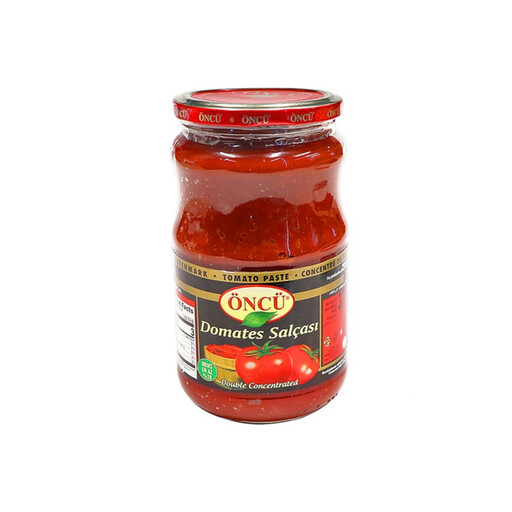
Why this product is a great fit: Tomato paste is an indispensable base ingredient in many cuisines. This version from ?ncü is double-concentrated and offers an intense flavor, making it very economical and suitable for sauces, soups, and stews.
Evades the quality trap through an objectively measurable standard: The Brix value of at least 28% guarantees high concentration and prevents you from buying a watery, flavorless product.
A little goes a long way thanks to its double concentration. The glass packaging protects against discoloration and flavor alteration that can occur with metal packaging.
If you value packaging that preserves quality, we have compiled a selection of products offered in glass jars that meet our criteria for transparency and quality.
Look for a precise ingredients list that features traditional components without unnecessary fillers or excessive sugar. Check the origin information—a specific place of manufacture in the specialty's home country is a good sign. Brands that specialize in a particular national cuisine are often a more reliable choice than all-rounder brands.
For many products, yes. Glass is an inert material that does not react with its contents. This is particularly important for acidic foods like salsas, pickled vegetables, or tomato paste. It preserves flavor and aroma better than plastic and prevents the metallic aftertaste that can occur with some canned goods. Additionally, glass is reusable and recyclable.
Opened products should always be stored in the refrigerator. For pastes like tomato or pepper paste, it can help to cover the surface with a thin layer of vegetable oil after use to minimize contact with air. With natural tahini, the oil often separates and rises to the top; this is a normal process. Stir it vigorously before use to restore a creamy consistency.