
Lieferung heute & morgen

Qualitätsgarantie

Willkommens-Angebote freischalten: KOSTENLOSE Lieferung | Bis zu 80 % RABATT | Kostenlose 30-Tage-JoyPlus-Testphase
App herunterladen
International tea opens up a vast range of flavours: from robust black tea from India or Turkey to delicate Japanese tea and flavoured oolong tea from China. At the same time, this variety can make choosing difficult. Details about origin, blends, pack sizes and brewing instructions are not always immediately clear.
This buying guide highlights what tea lovers in Germany should look for when shopping online, and which varieties suit different drinking habits.
A tea from China could be green tea, oolong tea, white tea or Pu-erh tea, for example. The country of origin alone doesn't tell you enough about the aroma, caffeine content or how to brew it. What really matters are the type of tea, the part of the plant used and how it's processed.
Turkish tea also varies: Çaykur Tiryaki Çayı is described as a strong black tea for traditional preparation, while Çaykur Filiz is offered with a finer, floral aroma and lower tannin content.
Loose tea leaves in 500g or 900g packs can make sense for heavy drinkers. But if you only brew a particular variety occasionally, you risk losing flavour through long storage. Before you buy, you should consider pack size, how much you'll use and the type of packaging together.
A resealable pack protects the tea better from moisture, light and unwanted odours. After opening, an airtight container is also recommended.
Flavoured tea often contains fruit pieces or flavourings alongside the tea leaves. For example, Cha Yan Yue Se Peach Oolong lists oolong tea, dried peach and flavouring. If you're looking for a purer tea, you should specifically look for products with a short ingredients list, such as "100% black tea leaves" or "100% green tea".
The type of tea determines its basic character:
With a caffeine-free tea, you should also check whether it's actually a caffeine-free herbal blend or, for example, a decaffeinated classic tea. According to the product information, Orihiro Kuromame Tea is made from roasted black soybeans and is described as naturally caffeine-free. This product contains soya and may contain traces of other nuts.
Loose leaf tea offers flexibility with dosage and steeping time. It works well with teapots, tea strainers or traditional brewing vessels. Tata Tea Agni, for example, recommends one to two teaspoons per cup with a steeping time of three to five minutes.
Tea in tea bags is pre-portioned and ideal for the office, travel or a quick cup. With Cha Yan Yue Se Peach Oolong, each bag contains approximately 2 to 3g of tea and is brewed with 200 to 250ml of water at 90 to 95°C.
For cold brewing, specific manufacturer instructions are important. Some products need several hours in the fridge, while others can be brewed directly with cold water. Not every classic tea is equally suitable for this method.
Before buying, you should check the ingredients, allergens, net weight, country of origin and storage instructions. For herbal blends, additional usage instructions apply. According to the product information, Ranong Tea Derr Chape Herbal Infusion contains 85% senna leaves and 15% senna fruit. The recommended daily amount is a maximum of two cups; the product is not suitable for children under twelve, among others. Pregnant and breastfeeding women are advised to seek medical advice according to the labelling.
Such warnings are not minor product details; they are part of a responsible buying decision.
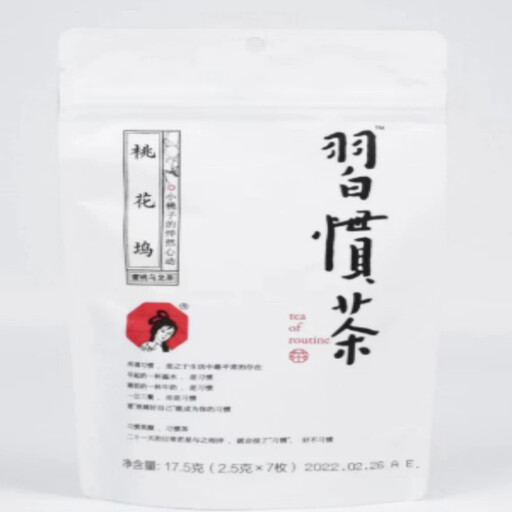
Why this product fits the profile: The individually portioned tea bags make it easy to get started with flavoured oolong tea. Peach and dried fruit add a fruity note to the tea base.
The ingredients list names oolong tea, dried peach and flavouring. This makes it clear that it is not a pure oolong.
Portioned bags; brew with water at 90–95°C and steep for three to five minutes.
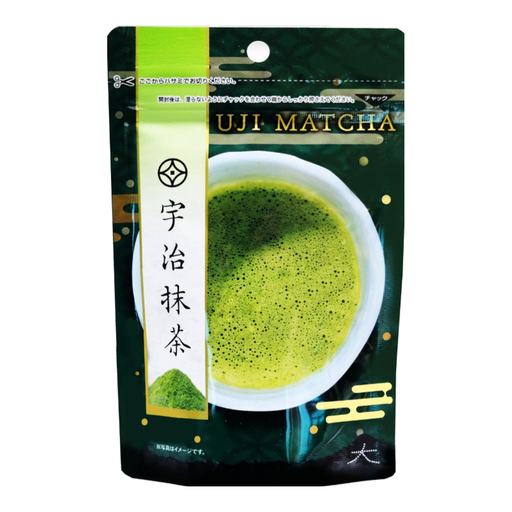
Why this product fits the profile: This Japanese matcha from Uji is listed as 100% green tea and can be used traditionally, in a tea cup or for sweet dishes.
The origin Japan, the variety Uji Matcha and the ingredients are clearly stated. This makes it easy to distinguish from flavoured powder blends.
30g pack for trying it out; suitable for drinks, sweet dishes and cooking according to the product information.
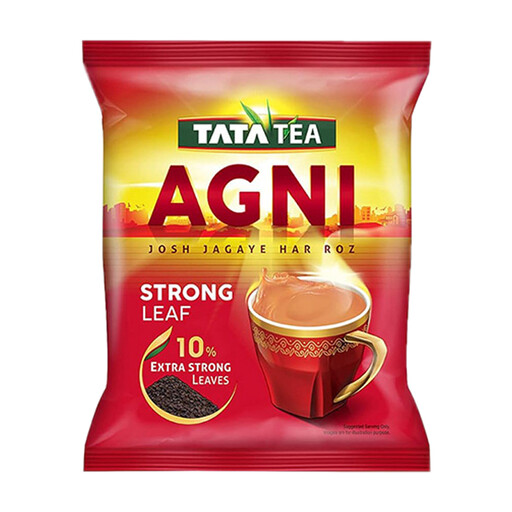
Why this product fits the profile: The large resealable pack is aimed at households that regularly drink black tea or make Indian chai.
The pack size only works with regular consumption. The recommended storage in a dry, airtight environment reduces the risk of flavour loss.
900g loose Assam tea; intended for black tea and chai with milk, sugar and spices according to the product information.
We've put together a complete, regularly updated list of products that fully meet these strict selection criteria and the safety regulations in force in the EU.
For beginners, pre-portioned blends like a flavoured oolong in a tea bag are straightforward. If you prefer stronger varieties, you can go for Indian black tea. For a caffeine-free alternative, herbal tea or roasted Kuromame tea are options.
Loose tea leaves should be kept dry, dark and protected from strong odours. An airtight tin or the resealed original packaging is more suitable than an open paper bag. Tea should also not be stored permanently next to spices, coffee or cleaning products.
The dosage depends on the variety, leaf size and desired strength. Around one to two teaspoons per cup is common. For matcha, the stated amount for HISHIWAEN Uji Matcha is approximately 1g per 100ml of water. For reliable brewing, the instructions on the product packaging are the best guide.