
Lieferung heute & morgen

Qualitätsgarantie

Willkommens-Angebote freischalten: KOSTENLOSE Lieferung | Bis zu 80 % RABATT | Kostenlose 30-Tage-JoyPlus-Testphase
App herunterladen
Invisible trainer socks should disappear inside your shoes without slipping, causing pressure points or losing their shape after a short time. In practice, however, no-show socks vary considerably in their cut, fabric, sizing and construction. If you focus only on colour or a low price, you could end up with socks that peek out of your shoes, crease or slip as you walk.
This guide explains what women and men should look for when buying. We cover fit, fabric, moisture management, pack size and intended use – from everyday shoes and loafers to training.
The term invisible socks usually refers to a low-cut style. Whether the socks are actually hidden also depends on the shape of your shoes. A low-cut trainer, a loafer and a running shoe all have different openings. With very low-cut styles, even a short sock may still show at the edge.
So check which type of shoe the socks are designed for rather than relying on product images alone. A pair made for trainers may sit differently in a low-cut loafer.
Stretch fabrics allow for some flexibility, but they’re no substitute for a suitable size. If the socks are too big, they may crease and slip at the heel. If they’re too small, the fabric will be stretched tight and may dig in uncomfortably.
Before buying, check the EU size or the specific size chart. For multi-packs, it’s also important to check whether the sizing refers to women’s or men’s shoes, or uses an international sizing system.
Terms such as ‘breathable’ or ‘moisture-wicking’ aren’t enough on their own to make a decision. The listed fabric blend is what matters. Cotton can feel soft and airy, while synthetic fibres may affect shape retention and drying time. Bamboo socks are often made from viscose derived from bamboo; check the product page for the exact composition.
Care instructions matter too: tumble drying, high temperatures or bleach can affect the elasticity and shape of some fabrics.
A good sock should cover your foot without feeling tight around the toes or heel. Look for:
For running socks, a low-seam or seamless toe can reduce rubbing in this area. However, this doesn’t guarantee protection against blisters. Your shoes, foot shape, moisture levels and individual skin sensitivity also play a part.
For everyday wear, you could choose cotton socks, bamboo viscose blends or microfibre. Styles with a higher cotton content often feel soft. Blends with polyester or polyamide can help with durability and shape retention. Microfibre is lightweight and smooth, but you should still check the care instructions for each product.
If you’re looking for breathable socks for exercise, also look for a lightweight construction and fabric described as moisture-wicking. ‘Moisture-wicking’ describes a property of the fibre or construction; it doesn’t mean your feet will stay completely dry in every situation.
Black trainer socks often go well with dark shoes and are less likely to show visible discolouration during everyday wear. White trainer socks suit light-coloured shoes and sportswear, but need careful washing.
A 3- or 5-pack can make laundry planning easier. What matters is whether the size, fabric and cut suit your everyday needs. A bigger pack isn’t automatically better value if the socks lose their shape after a few washes or you rarely wear them.
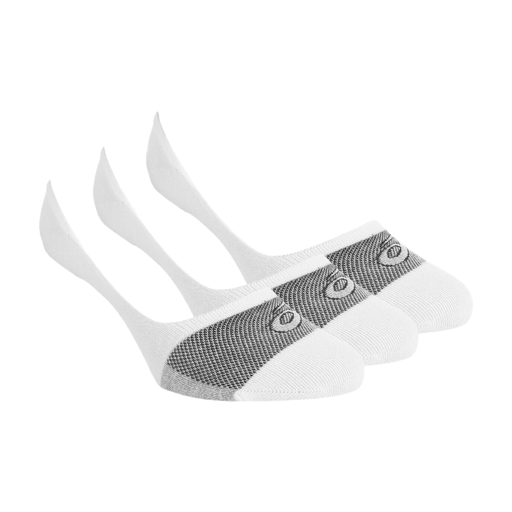
Why this product suits this profile: This 3-pack includes three pairs of short white socks for everyday wear and light exercise. The product description lists a 76% cotton content and a seamless toe.
The stated size and low-cut design make it easier to choose based on specific details rather than an unclear one-size option.
3-pack, 76% cotton content and seamless toe, according to the product description.
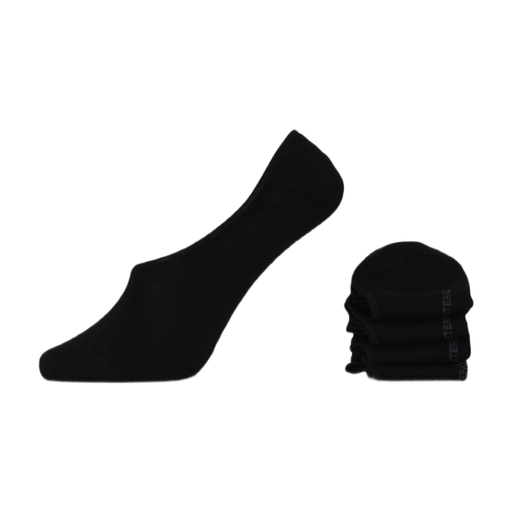
Why this product suits this profile: This 5-pack in black is designed for people who regularly wear trainers or loafers and prefer several identical pairs.
The specific EU size, 40–45, reduces the risk of a fit that’s too stretched or too loose. The care instructions specify washing at up to 40 °C.
80% bamboo viscose, 15% polyester and 5% elastane, plus five black pairs, according to the product details.
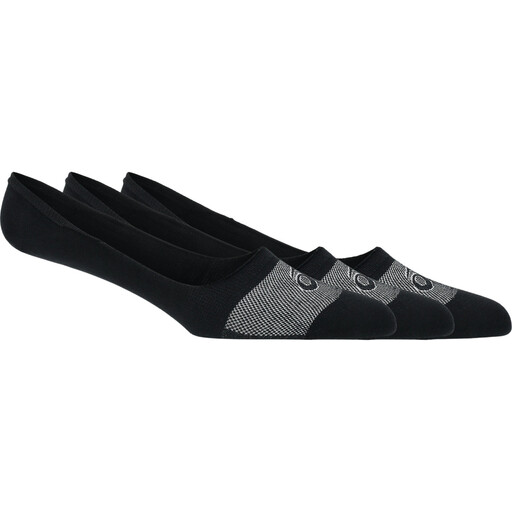
Why this product suits this profile: This style is designed for training and everyday wear. The 3-pack and EU size range of 35–53 cover a variety of foot sizes.
The product details list the fabric composition, size range and a seamless toe. This makes it easier to check that the intended use and fit are right for you before buying.
75% cotton, 22% polyamide and 3% elastane, with sizes from EU 35–38 to EU 50–53, according to the product details.
Wash your trainer socks according to the care label. For more delicate blends, a gentle cycle with mild detergent may be a good option. Avoid bleach if the care instructions advise against it, and air-dry styles containing bamboo viscose wherever possible. High temperatures can affect elastane and the shape of the socks.
There’s no reliable way to specify an exact lifespan. It depends on how often you wear them, how well your shoes fit, the washing temperature and how you dry them. Replace a pair if the fabric becomes noticeably thin, the heel no longer stays in place or the seams rub.
We’ve put together a complete, regularly updated list of products that meet these strict selection criteria and fully comply with the safety regulations in force in the EU.
Choose your usual EU shoe size and compare it with the size chart for the style you’re considering. If you’re between sizes, take your foot length, the stretch of the fabric and your preferred fit into account.
It depends on the construction and fabric. For running or gym sessions, low-cut socks with a low-seam toe, a secure fit and stated moisture-management properties are a practical choice. Your shoes should also be the right size and have a lining that helps minimise rubbing.
A 3-pack is suitable for occasional wear or for trying a style out. If you wear trainers often and do laundry regularly, a 5-pack can make it easier to organise when you change pairs. Fabric, fit and care instructions still matter most.