
Lieferung heute & morgen

Qualitätsgarantie

Willkommens-Angebote freischalten: KOSTENLOSE Lieferung | Bis zu 80 % RABATT | Kostenlose 30-Tage-JoyPlus-Testphase
App herunterladen
The right iPhone 15 or 16 tempered glass screen protector can help protect your display from scratches, fingerprints and everyday wear and tear. But not every screen protector suits every model or use case. Differences in cut-outs, edge coverage, hardness and installation aids all affect how practical your screen protection will be day to day.
The term 9H screen protector primarily describes the surface’s scratch resistance under a specific test method. It does not mean your iPhone will remain undamaged after every drop or hard impact. Tempered glass can break while leaving the display itself intact.
So, also check:
An Ultra-Wide Fit screen protector extends closer to the edges of the display. This can provide more coverage, but it’s only a good choice if the edges are compatible with your case. If the case presses against the glass, the edges may lift or dust could get underneath.
Check whether the supplier explicitly mentions case compatibility. With a rugged case in particular, there should be a small gap around the glass.
An installation frame helps reduce alignment errors, but it can’t replace careful preparation. Dust, skin oils or fibres trapped under the glass can cause bubbles and visible specks. Incorrect positioning can also affect the speaker, front camera or touch controls.
An installation aid, squeegee, microfibre cloth and dust-removal stickers are therefore useful additions to a kit. When choosing a screen protector that’s easy to install, look beyond the marketing claim and check exactly what’s included.
The iPhone 15 and iPhone 16 have a similar display size, but that doesn’t mean their screen protectors are automatically interchangeable. Check the exact model compatibility. Pro models also have different dimensions from standard models.
A good iPhone 15 screen protector or iPhone 16 screen protector should:
An oleophobic coating can make fingerprints and skin oils easier to wipe away, but it won’t prevent dirt altogether. For scratch-resistant iPhone glass, also look for clear product details about transparency and surface texture.
An iPhone privacy screen protector is a special type: the screen remains visible from the front, while side viewing angles are restricted. This can be useful on the train, in a café or at the office. Depending on the viewing angle and screen brightness, a privacy screen protector can affect perceived brightness.
A screen protector doesn’t cover the camera lenses. If you often place your iPhone on rough surfaces or want extra protection for the camera unit, you’ll need a separate iPhone camera lens protector. It must fit your camera layout exactly.
Pro models have larger lenses arranged differently from those on the standard iPhone. So, check the compatibility list particularly carefully.
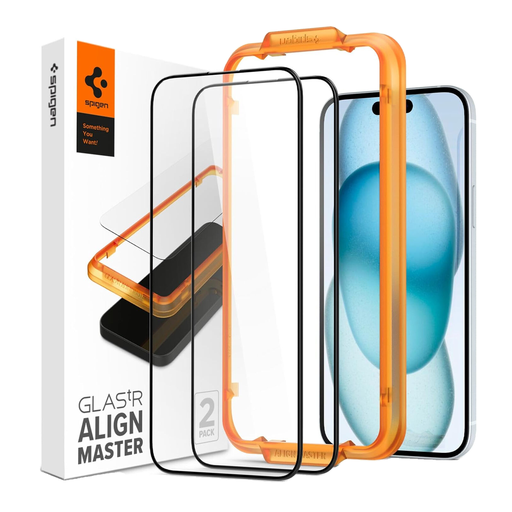
Why this product suits you: The two-pack includes a spare in case you need to try fitting it again. It’s a practical standard option for iPhone 15 users looking for an installation aid.
The product description explains that 9H mainly refers to scratch resistance and doesn’t guarantee complete protection from drops.
Two pieces, 9H rating, 2.5D edges and Align Master installation frame.
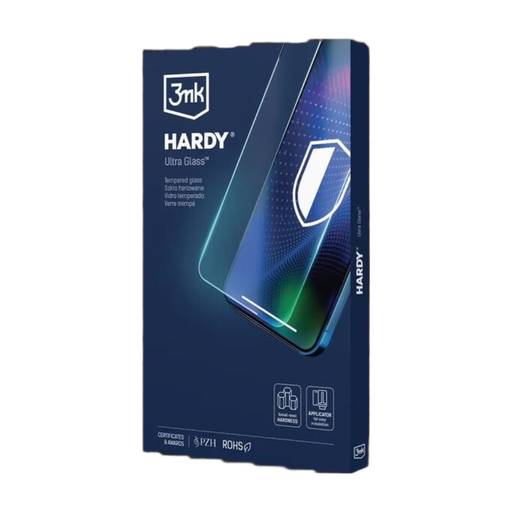
Why this product suits you: According to the product description, this screen protector is made for iPhone 15 and iPhone 16. It combines a basalt coating, DiamondView HD technology and Face ID compatibility.
Compatibility with both model ranges is stated explicitly, so you don’t have to choose based on display size alone.
Basalt coating, Face ID compatibility and an additional antimicrobial layer, according to the product details.
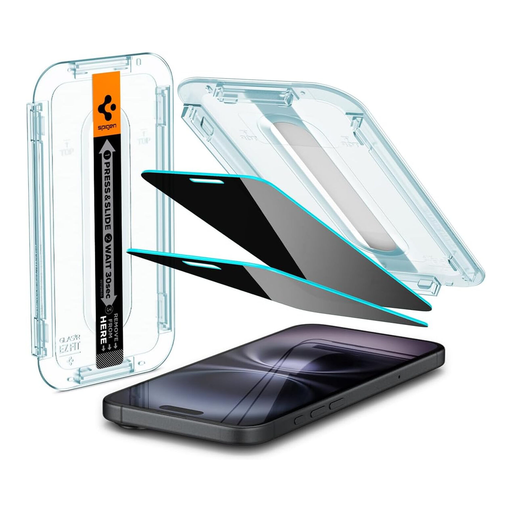
Why this product suits you: The side-viewing filter is ideal if you want to make your personal content less visible to others when you’re out and about or at work.
Privacy filtering is listed as a specific feature, rather than being described in vague terms. It comes with a frame to help with installation.
Two pieces, 9H rating, privacy filter and a case-friendly design with an EZ Fit installation tray.
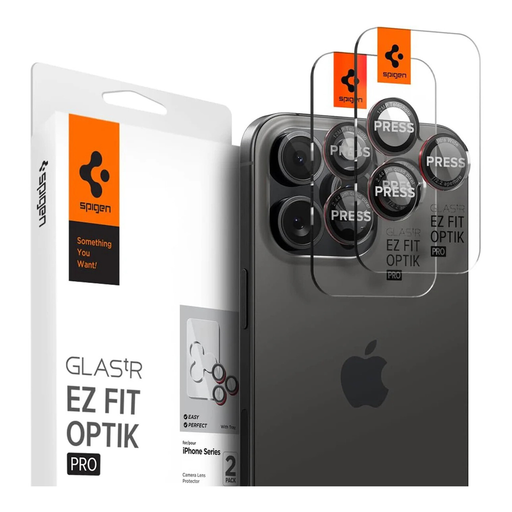
Why this product suits you: This camera lens protector is made for users with an iPhone 15 Pro, 15 Pro Max, 16 Pro or 16 Pro Max. It adds lens protection alongside your screen protector.
According to the product details, it’s compatible only with specific Pro models. This helps prevent you from buying a camera protector for a standard model by mistake.
9H rating, oleophobic coating, two-pack and EZ Fit frame for accurate alignment.
Replace a screen protector if it’s cracked, lifting at the edges or noticeably scratched. Damaged glass is more likely to have sharp edges. How long it lasts depends on how you use your phone, whether it’s compatible with your case and the level of physical impact it experiences.
We’ve put together a complete, regularly updated list of products that meet these strict selection criteria and fully comply with the safety regulations in force in the EU.
That depends on the product’s stated compatibility. Only buy a screen protector that explicitly lists both models. For Pro and standard models, you’ll also need to check the specific variant.
There’s no reliable way to give a fixed lifespan. Replace it if you notice cracks, chipped edges or deep scratches, or after a hard impact. If it’s no longer sticking properly, that’s another sign it needs replacing.
An iPhone privacy screen protector can be useful if you regularly use your phone on public transport, at work or anywhere people might be looking over your shoulder. Before buying, check that the possible change in brightness and viewing angle suits the way you use your phone.