
Lieferung heute & morgen

Qualitätsgarantie

Willkommens-Angebote freischalten: KOSTENLOSE Lieferung | Bis zu 80 % RABATT | Kostenlose 30-Tage-JoyPlus-Testphase
App herunterladen
The right iPhone 15 or 16 tempered-glass screen protector can help reduce scratches, fingerprints and everyday wear without affecting touch response or display quality. In practice, though, problems are often caused not by the glass itself, but by choosing the wrong protector or fitting it incorrectly.
The 9H rating usually describes a surface’s resistance to scratches according to a standard pencil hardness scale. It doesn’t mean your smartphone will come through every drop unscathed. Even a screen protector made from hardened glass can break under heavy pressure or on impact.
So look for a realistic product description. A screen protector is an extra layer of protection, not a substitute for a suitable case or careful handling.
The iPhone 15 and iPhone 16 come in different sizes. A screen protector for the 6.1-inch model won’t automatically fit an iPhone 15 Plus. You should also check the cut-outs, frame width and front camera position.
A case-friendly screen protector shouldn’t be so wide that a case presses against its edges. At the same time, a very narrow border can leave parts of the display exposed. Terms such as “Ultra-Wide Fit” or “case-friendly” are only useful if they suit your specific model and case.
A bubble-free installation depends on more than the product itself. Dust, skin oils or tiny fibres beneath the glass can cause bubbles and prevent it from sticking properly. An installation frame, cleaning cloths, dust-removal stickers and a squeegee can make it much easier to line up.
Also check whether the pack includes two screen protectors. A spare can be useful if dust or misalignment spoils your first attempt.
A tempered-glass screen protector provides a firm surface and is often advertised as having 9H hardness. This rating mainly refers to scratch resistance. On its own, it says nothing about impact resistance, edge strength or how long the protector will last with everyday use.
Also look for:
An oleophobic or nano-coating can make the screen easier to clean. It won’t prevent fingerprints completely, though, and will gradually wear away with frequent cleaning.
An iPhone privacy screen protector limits the view of your screen from the sides. This can be useful on public transport, in cafés or at work. However, a privacy screen protector can make the display look darker from an angle. If you often edit photos or share content with other people, bear this trade-off in mind.
A good iPhone screen protector should have as little impact on usability as possible. A precise fit, the right glass thickness and full adhesion are all important. Before you buy, check:
For the iPhone 15 Plus, it’s also worth considering a suitable camera protector. An iPhone 15 camera lens protector shouldn’t be confused with a screen protector: it covers the lenses or camera module, not the front of the display.
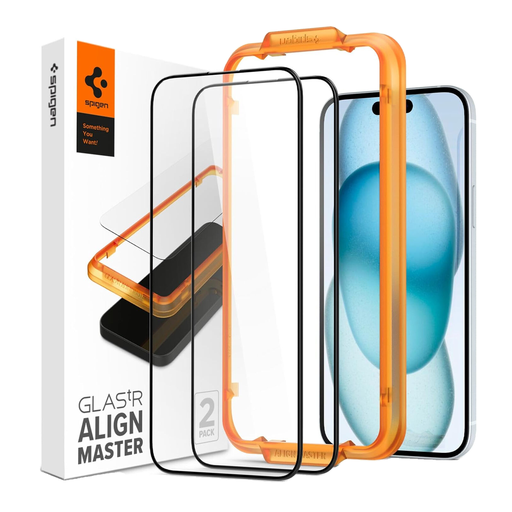
Why it suits this type of user: Designed for iPhone 15, this set includes two screen protectors and an Align Master installation frame. That means you’ll have a spare if you need another go at fitting it.
The installation frame reduces the risk of fitting the glass crookedly. The 9H rating should still be understood as scratch protection, not a guarantee against a cracked display.
9H glass, nano-coating, 2.5D edges and two protectors per pack.
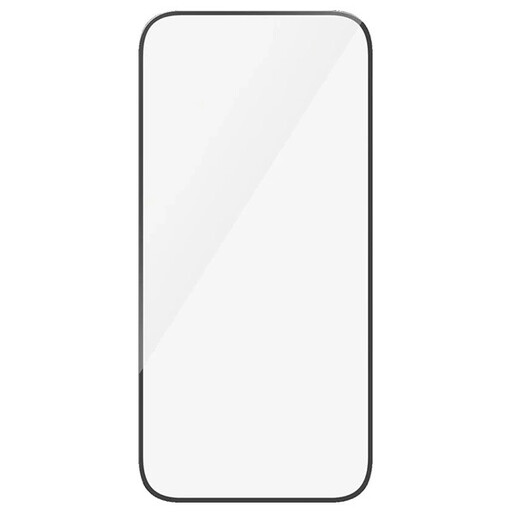
Why it suits this type of user: Listed for iPhone 15 and iPhone 16, this screen protector combines an Ultra-Wide Fit with an oleophobic anti-fingerprint coating.
The stated case compatibility and wide fit help when choosing a case-friendly screen protector. Even so, check the model details before buying.
Tempered glass, Ultra-Wide Fit, clear display and anti-fingerprint coating.
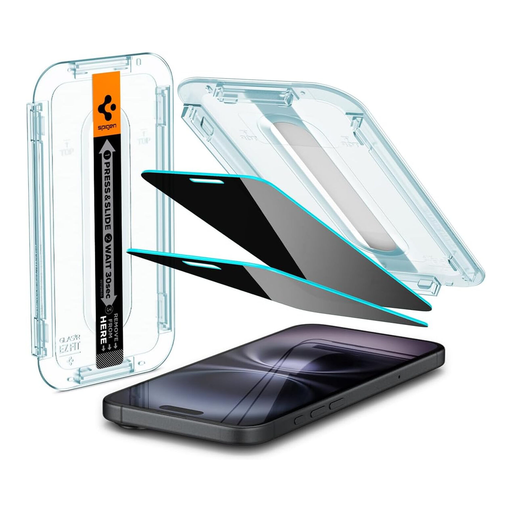
Why it suits this type of user: The side-view privacy filter is ideal if you often use your display in public or shared spaces. The EZ-Fit template helps with alignment.
The product details specifically list iPhone 15 and iPhone 16, as well as a case-friendly design. Before buying, consider whether a side-view privacy filter suits the way you use your phone.
9H glass, privacy filter, two protectors per pack, plus an installation template and squeegee.
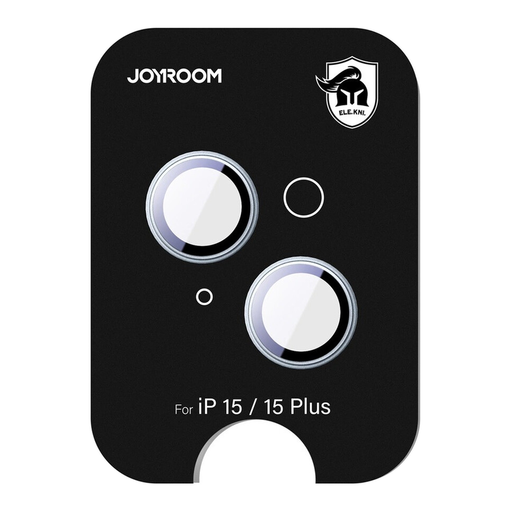
Why it suits this type of user: This camera lens protector is for iPhone 15 or iPhone 15 Plus users who want to protect the camera module from scratches, dust and fingerprints as well as protecting the display.
The product description specifies a precise fit and bubble-free installation. This glass is designed for the camera lenses and doesn’t replace an iPhone screen protector.
Compatible with iPhone 15 and iPhone 15 Plus, protective glass for the camera module and residue-free removal according to the product description.
We’ve put together a complete, regularly updated list of products that meet these strict selection criteria and fully comply with the safety regulations in force in the EU.
Don’t bend the glass too much. If it’s cracked or chipped at the edge, replace it for safety and to ensure it works properly. Small bubbles may disappear over time, but those caused by trapped dust usually remain visible.
It depends on the specific product and its stated model compatibility. Screen protectors explicitly listed for iPhone 15 and iPhone 16 may be designed to fit both models. For an iPhone 15 Plus, you’ll need to check for a separate compatibility statement.
There’s no single answer. Frequent use, rubbing against keys or dirt, and knocks can all affect its condition. Replace your screen protector if it develops cracks, chips or lifting edges, or if touch response noticeably deteriorates.
The price depends on factors such as the material, coating, fitting system, pack size and privacy feature. Don’t just compare the price per item; check what’s included and whether it’s compatible with your case. A second screen protector can also come in handy if your first fitting doesn’t go to plan.