
Lieferung heute & morgen

Qualitätsgarantie

Willkommens-Angebote freischalten: KOSTENLOSE Lieferung | Bis zu 80 % RABATT | Kostenlose 30-Tage-JoyPlus-Testphase
App herunterladen
Purchasing an iPhone 16 Pro is a significant investment. To protect it, a suitable case is essential. An iPhone 16 Pro case with MagSafe, in particular, promises to combine functionality and protection. However, the market is flooded with products whose marketing promises often fall short. This guide will help you identify common pitfalls and select a case that secures your device's value long-term.
Many buyers are swayed by appealing images and bold marketing claims. This leads to three common problems that result in disappointment and unnecessary expense:
To make an informed decision, you should check three core parameters. These define the quality and longevity of a protective case for the iPhone 16 Pro.
A functional phone case with MagSafe requires more than just an embedded metal ring. The quality and precise arrangement of the magnets are crucial. Look for cases that explicitly guarantee a strong magnetic force for MagSafe accessories. This not only secures wallets and mounts but also ensures a stable connection to chargers for efficient power transfer without constant readjustment.
A robust iPhone case typically consists of a combination of materials. A backplate made of polycarbonate (PC) offers high scratch resistance, while a frame made of Thermoplastic Polyurethane (TPU) effectively absorbs impacts.
Pay attention to specific details about drop protection. The claim "iPhone 16 Pro case military-grade" should be substantiated by a specification like "drop protection from up to 3 metres." Another important feature is raised edge protection (often referred to as a "raised edge" or "bezel"), which protects the display and camera lenses from direct contact with surfaces during a flat impact.
For clear cases, the material composition is key. Models with a special coating or made from a UV-resistant polycarbonate are a good choice to prevent yellowing. For coloured or black cases, a matte finish can help make fingerprints and minor scratches less visible, keeping the case looking new for longer.
Based on the criteria above, we have identified several models suitable for different user profiles.
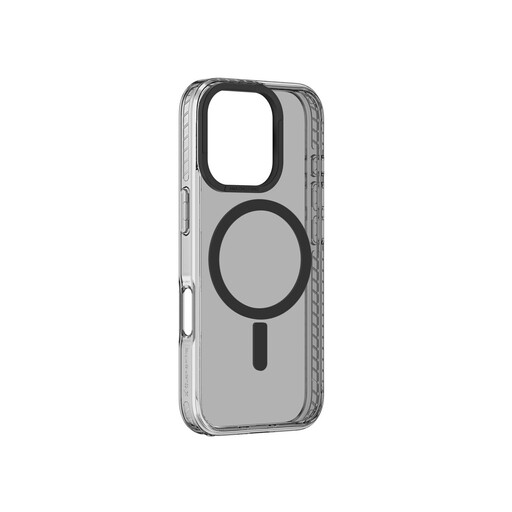
Why This Fits Their Persona: Ideal for users seeking maximum protection without visual distractions. The classic black design is understated and suitable for both professional and private contexts where functionality is the priority.
The case offers verifiable drop protection from up to 3 metres and a strong magnetic ring, bypassing vague protection claims and the issue of weak magnets.
The combination of 360° shock absorption and DefendEdge technology for edge protection provides comprehensive security for the entire device.
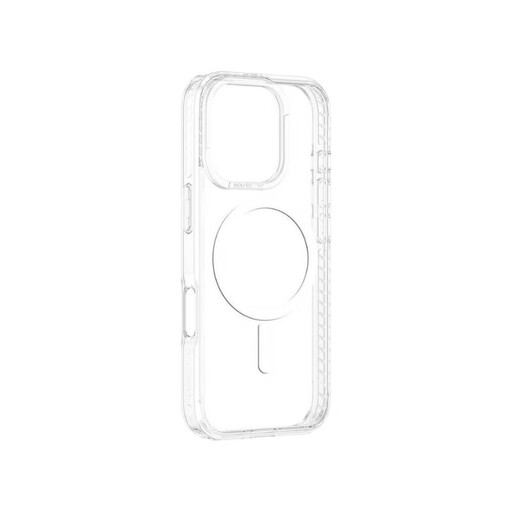
Why This Fits Their Persona: Perfect for anyone who wants to showcase the original design and colour of their iPhone 16 Pro without sacrificing a high level of protection.
According to the manufacturer, the polycarbonate back is resistant to UV radiation. This actively counteracts the common problem of yellowing in clear cases.
Offers military-grade protection and full MagSafe functionality while preserving the iPhone's original appearance.
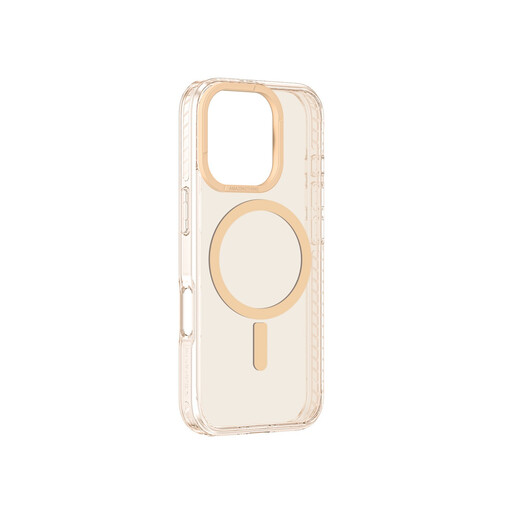
Why This Fits Their Persona: For users who view their case as a fashion accessory. The rose gold finish adds an elegant accent and stands out from standard colours without compromising on protection.
This model combines a striking design with the same verifiable protection standards (3-metre drop protection, strong MagSafe ring) as the more functional variants.
Offers a stylish alternative to standard cases, while its resistance to UV radiation and chemicals ensures long-lasting colour vibrancy.
We have compiled a complete, real-time list of products that fully satisfy these strict selection criteria and UK safety regulations.
A high-quality iPhone 16 Pro case with MagSafe is designed not to negatively impact charging performance. The integrated magnets ensure precise alignment with the charger, which guarantees optimal power transfer. However, cases with very weak or poorly placed magnets can lead to charging interruptions or reduced charging speed.
The term often refers to testing procedures described in the US military standard MIL-STD-810G. For a phone case, the most relevant test is one where the device must survive multiple drops from a specific height. A reputable claim would be, for example, "tested for drops from up to 3 metres." Without such a specific detail, the term "military-grade" has little meaning.
The main cause of yellowing is UV radiation. From the outset, choose a model that is advertised as UV-resistant. For maintenance, simply clean the case regularly with a soft, slightly damp cloth. Avoid harsh cleaning agents or alcohol, as these can damage the material's surface and accelerate the yellowing process.