
Lieferung heute & morgen

Qualitätsgarantie

Willkommens-Angebote freischalten: KOSTENLOSE Lieferung | Bis zu 80 % RABATT | Kostenlose 30-Tage-JoyPlus-Testphase
App herunterladen
A suitable iPhone 16 Pro Max tempered glass protector should fend off scratches, dust and everyday knocks without interfering with operation or the use of a protective case. In practice, however, big marketing promises alone don't lead to the right purchase. What really counts are the dimensions, material specifications, edge design and a clear installation guide.
The term 9H tempered glass sounds like a uniform protection class. In reality, you should also check what the claim actually refers to. With the AmazingThing Titan Max, the 9H hardness is stated according to ASTM D3363 in the product specifications. Without a named testing standard, the claim is difficult to assess.
High hardness can protect against scratches, but on its own it says little about the quality of the edges, impact resistance or fit. Even a product advertised as “shatterproof protective glass” can be damaged by an awkward impact.
A full-edge tempered glass can cover a large area of the visible screen. However, if the glass sits too close to the edge, it can clash with a case or lift at the corners. For everyday life in the UK, where many people use their iPhone with a protective case, the stated case compatibility is therefore important.
Also pay attention to the shape of the edges. A 2.5D design with rounded transitions can make the switch between glass and frame less intrusive. Black borders should sit precisely over the display and not cover any important on-screen content.
Dust under the glass often appears during installation itself. A product with dust-proof tempered glass or a dust-proof construction can reduce this risk, but it doesn't replace proper preparation. Installation should take place in as dust-free an environment as possible. Cleaning wipes, dust stickers and an alignment frame are practical components of a kit.
Hardness primarily describes resistance to scratches. For drops, the glass quality, edge finishing and the construction of the screen protector are also relevant. With the AmazingThing Titan Max, the manufacturer states a pressure load of up to 25 kg and drop protection from up to 1.5 m. These values are to be understood as product claims and do not guarantee protection for every fall.
A 330 µm protective glass is relatively thin. A low thickness can help ensure that cases still fit and that the display remains responsive. Nevertheless, after installation you should check that swipe gestures, tapping and keyboard input work reliably.
A screen protector with touch sensitivity should not only be thin, but also sit cleanly on the display. Bubbles, dust particles or a poorly adhering adhesive layer can impair usage.
A blue light filter protective glass alters the light transmission of the display. Depending on the design, colour reproduction may look slightly different. Claims about relieving eye strain or improving sleep should not be taken at face value. A filter is a technical feature, not a medical promise.
The following selection organises the available products according to specific usage scenarios. Information on protection levels and features comes from the respective product descriptions.
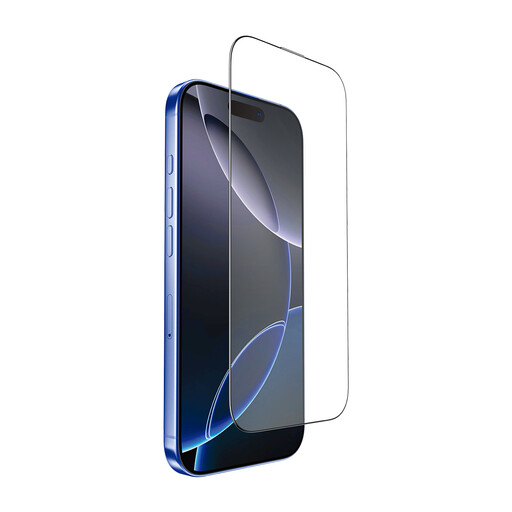
Why this product fits the profile: The 2.5D full-screen design with black border, anti-blue light function and dust protection is aimed at users looking for a straightforward screen protector for everyday use.
The 2.5D construction addresses harsh transitions at the edges. However, you should still check compatibility with your own case before buying.
2.5D full-screen design, black border, anti-blue light version and, according to the product name, a dust-proof construction.
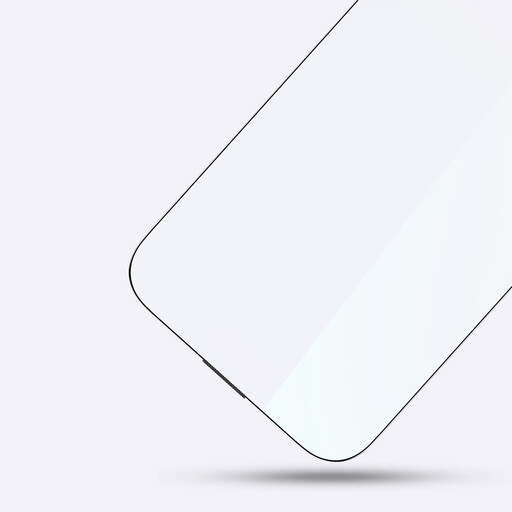
Why this product fits the profile: If you compare technical specifications for hardness, thickness, dust protection and edge construction, you'll find several clearly stated parameters here to inform your buying decision.
The product description names ASTM D3363 as a testing standard for 9H hardness and states a thickness of 330 µm. This makes the specifications more concrete than a vague hardness claim.
According to product specifications: 9H hardness per ASTM D3363, DustShield with up to 98.2% less dust and dirt, 330 µm thickness and DefendEdge technology.
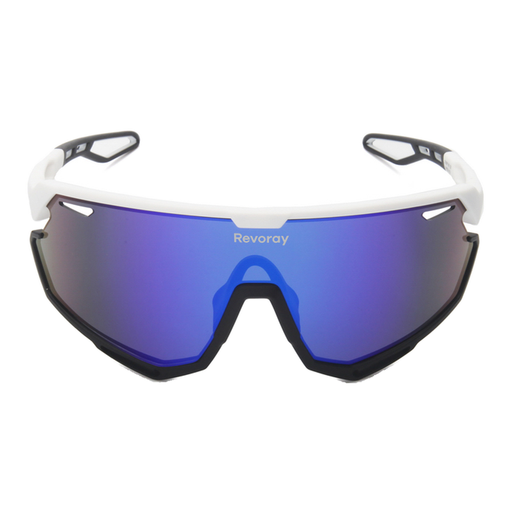
Why this product fits the profile: This product is not an iPhone screen protector, but a supplementary option for people who need additional UV and impact protection for their eyes while cycling.
The clear classification prevents a common confusion: protective glasses cannot replace a display glass and are not intended for the iPhone 16 Pro Max.
PC single lens, TR90 frame, approximately 30 g weight and, according to the product description, UV400 protection for sporting activities.
We've put together a complete, regularly updated list of products that fully meet these strict selection criteria and the safety regulations in force in the EU.
A screen protector is a consumable item. As soon as cracks, chips or larger scratches become visible, the glass should be replaced. A damaged glass can only fulfil its protective function to a limited extent. The stated drop and pressure values should not be taken as an invitation to deliberately expose your smartphone to such stresses.
The lifespan depends on usage, transport and impacts. If visible cracks, chipped edges appear, or after a heavy impact, replacement is advisable. Even without visible damage, reduced adhesion at the edges may make replacement necessary.
A thin, cleanly installed glass can largely preserve direct touch operation in everyday use. Problems are more likely to arise from air bubbles, dust, incorrect alignment or a damaged adhesive layer. After installation, all areas of the display should be tested.
No. A glass that extends very far to the edge can clash with the case and lift at the corners. Therefore, explicitly check whether the iPhone 16 Pro Max screen protector is described as case-compatible, and compare the edge shape with your existing protective case.