
Lieferung heute & morgen

Qualitätsgarantie

Willkommens-Angebote freischalten: KOSTENLOSE Lieferung | Bis zu 80 % RABATT | Kostenlose 30-Tage-JoyPlus-Testphase
App herunterladen
An unprotected iPhone 16 Pro faces plenty of everyday hazards: keys in your pocket, dust in your rucksack, fingerprints on the train or a knock against the edge of a table. The right iPhone 16 Pro screen protector can help protect the surface from scratches and everyday wear. But price isn’t the only thing to consider.
The 9H rating describes a hardness test, often based on the pencil hardness scale. It can indicate increased scratch resistance, but it doesn’t guarantee protection against every breakage or impact. Even an iPhone 16 Pro tempered glass screen protector with a 9H rating is still a breakable glass product.
So, also consider the material, edge finish, fit and installation aids. A screen protector is no substitute for a case or careful handling of your phone.
The iPhone 16 Pro and iPhone 16 Pro Max have different dimensions. A screen protector for the Pro Max won’t necessarily fit the Pro. Product names covering several iPhone generations can also be confusing.
Before you buy, check:
An iPhone 16 Pro privacy screen protector can reduce side-on visibility, but the design may affect how the screen looks. This can be useful for commuters and professionals, while those who prioritise colour accuracy and maximum brightness may prefer a clear screen protector.
Terms such as “bubble-free” and “easy to install” should also be considered alongside what’s included in the box. An alignment frame, dust remover and cleaning kit are useful features, but they can’t guarantee a flawless installation in every setting.
Tempered glass, also known as an iPhone 16 Pro glass screen protector or iPhone 16 Pro tempered glass, holds its shape and provides a smooth surface. Flexible films, on the other hand, can adapt more easily to slightly curved edges. The right choice depends on the balance you want between feel, protection and thickness.
The 9H rating is a common guide to scratch resistance. It shouldn’t be taken as a standardised measure of drop height or resistance to breaking. If the glass is damaged, it’s best to replace it, as cracks can affect the surface and the stability of the edges.
A slim screen protector can blend discreetly with your device. According to Spigen’s product information, the Glas.tR Slim for iPhone 16 Pro is 0.2 mm thick. The Spigen Glas.tR EZ Fit for iPhone 16 Pro Max is listed as 0.58 mm thick. These figures aren’t directly comparable, as the designs and models differ.
Rounded edges, a suitable gap around the edge and a case-compatible screen protector can reduce the risk of your case lifting the protector. Still, check how the tempered glass fits with your existing case, particularly if it’s a very snug fit.
An oleophobic or anti-fingerprint coating can make cleaning easier. According to Spigen’s product information, the Glas.tR Slim has an anti-smudge coating. When installing it, a dust-free room, a dry screen and precise alignment matter more than applying pressure.
For the most bubble-free installation possible:
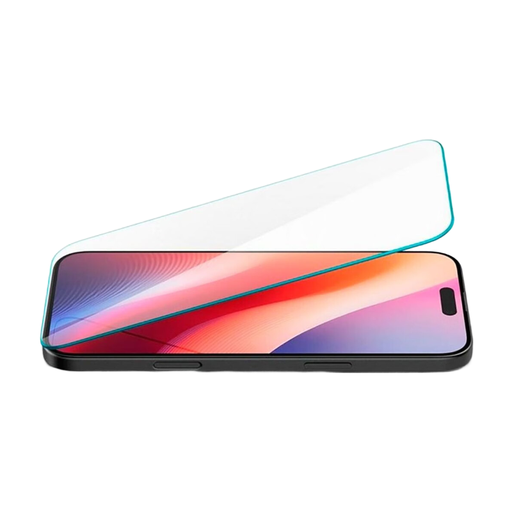
Why this product suits this type of user: Its listed thickness of 0.2 mm and compatibility with the iPhone 16 Pro make it a good option if you’re looking for a slim everyday solution.
The product information specifies the model, material, 9H hardness and thickness, rather than relying on a vague promise of “strong protection”.
Tempered glass, a 9H rating, anti-fingerprint coating and installation kit, according to the product description.
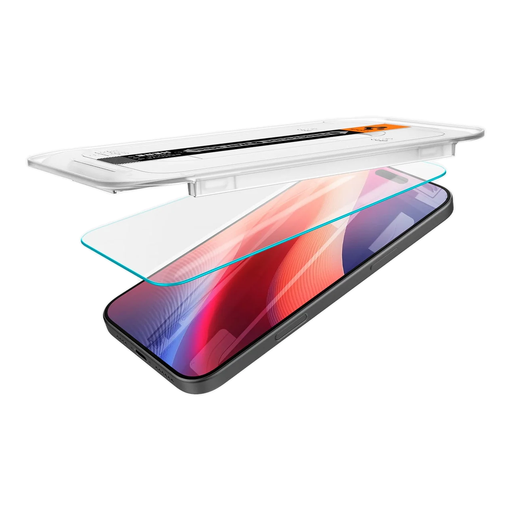
Why this product suits this type of user: The included EZ Fit frame helps you align the protector precisely, making it a good choice if a neat installation and even fit are important to you.
The box contents specifically list the alignment frame and cleaning kit. This means installation relies less on positioning the protector by hand.
9H hardness, 2.5D rounded edges, a hydrophobic and oleophobic coating, and two screen protectors, according to the product information.
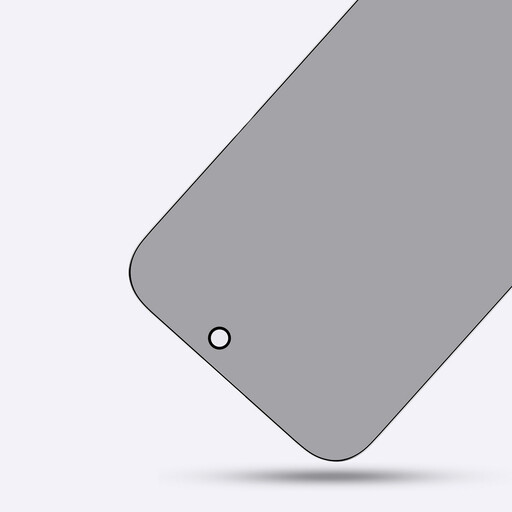
Why this product suits this type of user: Its privacy feature, with a viewing angle of ±28°, is designed for commuters and anyone who often uses their screen in public places.
The side viewing angle is listed as ±28°. This lets buyers weigh up the privacy feature against a clear standard screen protector.
9H hardness, 330 µm thickness and compatibility with most cases, according to the product description.
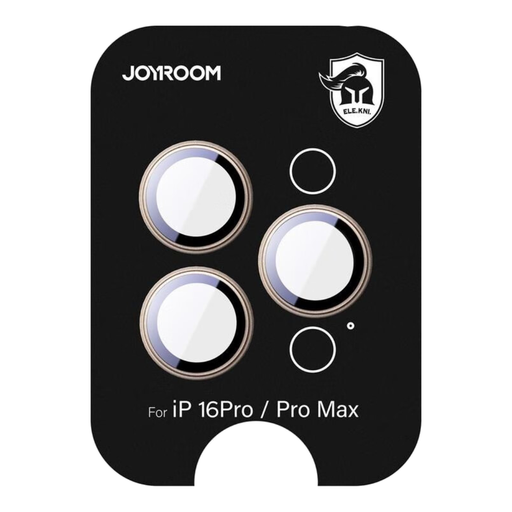
Why this product suits this type of user: If you take photos often or want to protect the camera module in everyday use, this provides a separate solution for the lenses.
Compatibility with the iPhone 16 Pro and iPhone 16 Pro Max is clearly stated. This helps avoid the common mistake of confusing screen protection with camera protection.
0.30 mm Corning glass, 9H hardness, anti-reflective coating and bubble-free installation, as stated.
We’ve put together a complete, regularly updated list of products that meet these strict selection criteria and the safety regulations in force in the EU.
Clean the screen in an area with as little dust as possible, then remove even the smallest particles with a dust-removal sticker. Position the glass using a frame, or carefully line it up with the speaker and display edges. Then press from the centre outwards. You can often push small bubbles towards the edge with a soft cloth.
There’s no reliable way to give a fixed lifespan. It depends on knocks, scratches, how well your case fits and how you use your phone every day. Replace the tempered glass if you notice cracks, chips, deep scratches or a loss of adhesion.
It depends on how you use your phone. A screen protector only protects the front. If you often put your iPhone down on rough surfaces or use the camera a lot, a separate lens protector could be a useful addition. Check its clarity, fit and compatibility with your case.