
Lieferung heute & morgen

Qualitätsgarantie

Willkommens-Angebote freischalten: KOSTENLOSE Lieferung | Bis zu 80 % RABATT | Kostenlose 30-Tage-JoyPlus-Testphase
App herunterladen
Your iPhone 16 Pro goes with you everywhere: in pockets and backpacks, on public transport and at work. Keys, dust, fingerprints and minor knocks can all leave visible marks on the screen or camera lenses. The right iPhone 16 Pro screen protector can help protect the surface in everyday use, provided you choose the right material, size and type for your needs.
However, not every product description lives up to its promises. Here are three common buying pitfalls to watch out for:
An iPhone 16 Pro tempered glass screen protector is usually made from toughened glass. The commonly quoted 9H rating indicates strong scratch resistance, measured using a standardised pencil hardness test. According to the product details, the AmazingThing Radix Privacy Glass rating is associated with ASTM D3363.
Important: 9H isn’t a universal measure of overall product quality, nor is it a guarantee against cracks. Even toughened glass for the iPhone 16 Pro can break on direct impact. Replace damaged glass as soon as possible.
Also look for:
An ultra-thin screen protector adds less bulk and can help keep the screen feeling closer to the original. The Spigen Glas.tR Slim screen protector is listed as 0,2 mm thick. The AmazingThing Radix Privacy Glass is listed as 330 µm thick in the product description.
Thickness alone, however, doesn’t determine how well a protector works. The adhesive layer, surface coating and dust-free installation all matter too. If you often view high-resolution content, look for a clear, even surface. An anti-fingerprint glass coating can reduce greasy marks and smudges, but won’t prevent them completely or permanently.
An iPhone 16 Pro privacy screen protector can be a good choice for commuters, office workers or anyone who uses their phone in cafés. The AmazingThing Radix Privacy Glass is listed as having a restricted viewing angle of ±28°. The VoxorAI screen protector also promises reduced visibility from the sides, but the information provided doesn’t give a specific angle for comparison.
For a screen protector that’s easy to install, an alignment frame, cleaning cloths and dust-removal stickers are useful. Try to fit the protector in an environment with as little dust as possible:
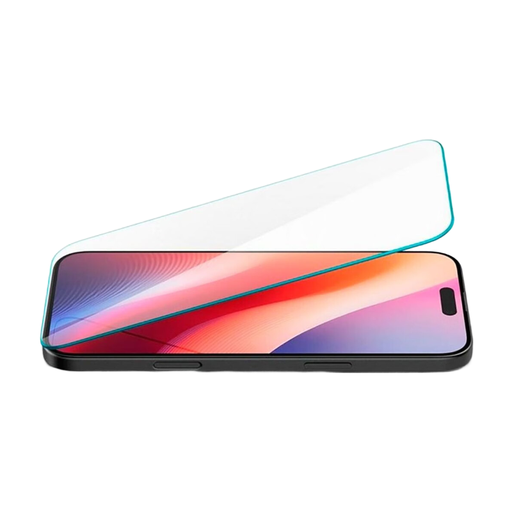
Why it suits this type of user: Its stated thickness of 0,2 mm, 9H hardness rating and included installation accessories cover the essentials for everyday use, without unnecessary extras.
The product details give specific figures for hardness and thickness, rather than relying on vague claims such as “maximum protection”.
9H glass, 0,2 mm thickness, anti-smudge coating and an alignment aid, according to the product description.
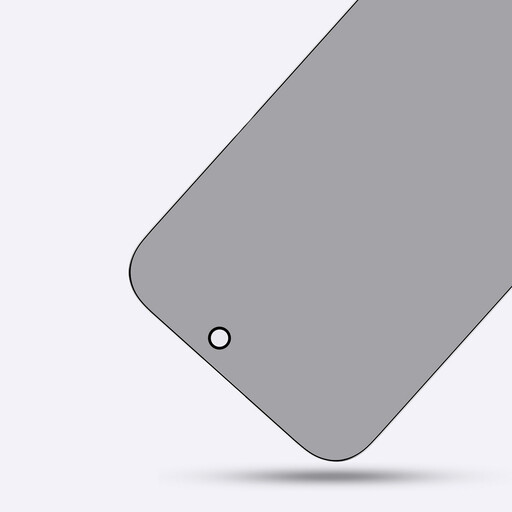
Why it suits this type of user: A good option if you want to protect your screen while limiting side-on views of it on the train, at work or in a waiting room.
The ±28° privacy angle is clearly stated, making it easier to check whether the feature suits your needs.
9H hardness, 330 µm thickness, a stated pressure resistance of up to 25 kg and compatibility with most cases.
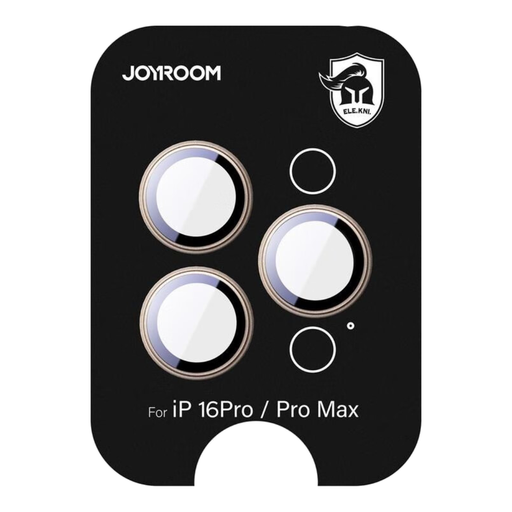
Why it suits this type of user: If you take photos often or carry your phone in a pocket or backpack, you can add separate camera lens protectors to your screen protection.
The product details specifically mention full coverage, anti-fingerprint properties and guidance on using it with a case.
Corning glass, 0,30 mm thickness, 9H hardness, anti-reflective properties, and water- and dust-repellent features, according to the product details.
We’ve put together a complete, regularly updated list of products that meet these strict selection criteria and fully comply with the safety regulations in force in the EU.
Make sure the screen and your hands are clean and dry. Fit the glass in a dust-free environment and align it carefully before laying it down. An installation frame makes positioning easier. You can often push small air bubbles towards the edges with a soft cloth. Don’t try to remove dust trapped under the glass by pressing down hard.
How long it lasts depends on how you use your phone, how well your case fits and whether the protector gets damaged. Scratches, cracks, lifting edges or reduced clarity are all signs that it’s time for a replacement. A glass screen protector is a wear-and-tear item and isn’t a substitute for a shock-absorbing case.
A privacy protector can make the screen harder to read from the side. Depending on the viewing angle and ambient light, it can also change how bright the screen appears. If you often share content with other people, a clear screen protector may be a better choice. For commuters and office workers, a privacy protector with a clearly stated viewing angle could be a better fit.