
Lieferung heute & morgen

Qualitätsgarantie

Willkommens-Angebote freischalten: KOSTENLOSE Lieferung | Bis zu 80 % RABATT | Kostenlose 30-Tage-JoyPlus-Testphase
App herunterladen
An iPhone 16 screen protector is designed to shield the display from scratches, fingerprints and everyday impacts. With the iPhone 16 Plus, the correct size is an additional consideration. However, anyone who focuses solely on terms such as “9H”, “Ultra Clear” or “Privacy” may overlook important details: Not every glass protector is compatible with every case, not every screen protector fits the iPhone 16 Plus, and an ill-fitting camera protector can interfere with everyday use.
The Joybuy Product Recommendation Officer therefore filters the relevant specifications and categorises them according to specific usage scenarios.
The iPhone 16 and iPhone 16 Plus differ in their dimensions. A screen protector for the iPhone 16 is not automatically suitable for the Plus model. In addition, some product descriptions list several iPhone variants even though the technical specifications apply to only one particular version.
Before buying, check the following:
A scratch-resistant 9H tempered glass protector is often advertised as especially durable. The 9H rating generally describes surface hardness according to the relevant testing or manufacturer standard. It does not mean that the glass cannot break if the phone is dropped.
A screen protector is a replaceable wear component. If cracks or chips appear, it should be replaced, as sharp edges may develop and its protective performance may decline.
A case-compatible screen protector usually stops slightly short of the display edges. This reduces the risk of a close-fitting case pressing against the glass and lifting it at the corners. Ultra-Wide-Fit models cover more of the screen, but require particularly precise coordination with the case being used.
In practice, the rule is simple: If you regularly use a rugged case, clearly stated case compatibility is more important than achieving the maximum possible edge coverage.
An iPhone 16 screen protector often lists specifications such as tempered glass, Corning glass or 9H hardness. These details provide insight into the construction, but they do not replace checking the fit. A slim protector can make operation and compatibility with cases easier. For camera protectors, the available product data, for example, specifies a thickness of 0.30 mm.
Look for:
A clear screen protector should have as little impact as possible on the display’s appearance. According to the product specifications, an oleophobic coating can reduce the adhesion of fingerprints and skin oils. With a camera protector, reflections are also relevant. Models with an anti-reflective coating can reduce distracting reflections; however, this does not guarantee complete prevention of lens flare in all lighting conditions.
A privacy screen protector for the iPhone 16 limits the viewing angle from the sides. This is useful for commuters, open-plan offices or viewing sensitive content on public transport. Depending on the viewing angle, perceived brightness may change. For users who frequently edit photos or share their screen with others, a conventional transparent protector may be more practical.
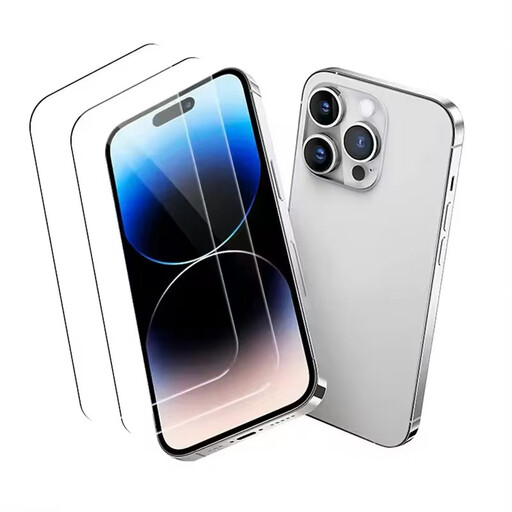
Why this profile fits: For iPhone 16 users looking for a clear protector with straightforward installation and reliable case compatibility.
The product details explicitly name the iPhone 16 and also indicate a case-friendly, precisely fitted design. Nevertheless, check the model designation once more before ordering.
Tempered glass, a 9H rating, fingerprint protection and installation accessories included.
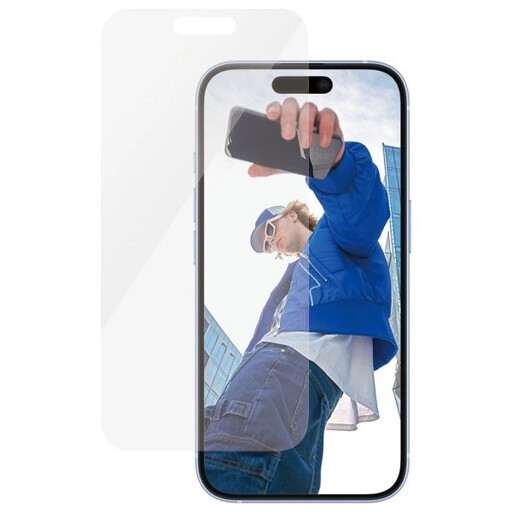
Why this profile fits: For professionals who prefer a traditionally shaped, case-friendly screen protector for everyday use.
The Classic Fit focuses on the flat display surface, reducing the risk of conflict with many phone cases.
Tempered glass, an oleophobic coating that reduces fingerprints, and installation designed to avoid the formation of air bubbles.
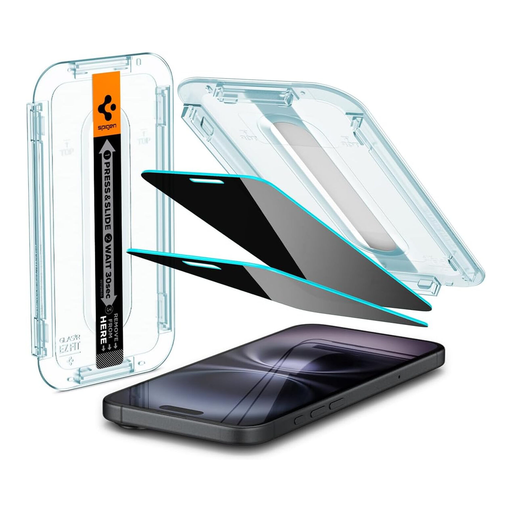
Why this profile fits: For commuters and office users who want to limit side views of messages, passwords or documents.
The restricted side viewing angle is clearly identified as a privacy function. Keep in mind that a privacy filter can alter the display when viewed from an angle and under different lighting conditions.
9H rating, installation tray, two screen protectors per pack and a case-friendly design.
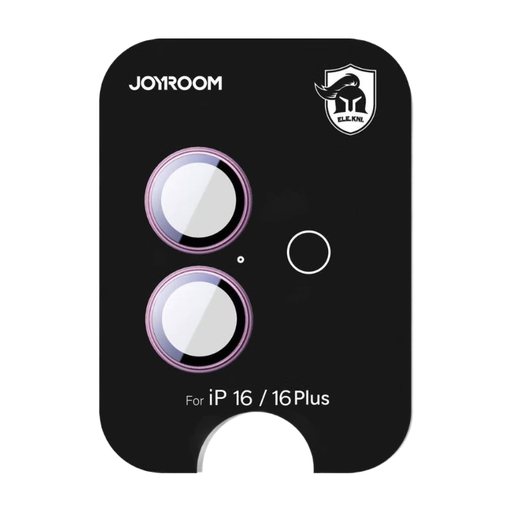
Why this profile fits: For iPhone 16 and iPhone 16 Plus owners who want to protect the camera area separately from scratches, dust and fingerprints.
The product data explicitly lists the iPhone 16 and iPhone 16 Plus and specifies compatibility with most phone cases. Before installation, the lenses and camera area must be completely free of dust.
Corning glass with a thickness of 0.30 mm, 9H rating, anti-reflective coating, and water- and dust-repellent properties according to the product specifications.
A bubble-free screen protector depends less on marketing claims than on careful preparation. Install the glass in a low-dust environment whenever possible and clean the display or camera lenses thoroughly. Dust particles are a common cause of visible spots and lifted edges.
Do not use a metal tool to remove a camera protector. Damaged glass should be removed carefully and replaced completely.
If you would like to compare an iPhone 16 camera protector, a privacy solution or a screen protector for the iPhone 16 Plus alongside an iPhone 16 tempered glass protector, you will find additional options in the category, organised by model, material and design:
Our selection brings together a current range of products with details on fit, protection type, installation and case compatibility.
Not automatically. The display size and device dimensions differ. Only buy a screen protector whose product data explicitly names your specific model. Some camera protectors may be approved for both models; here, too, the manufacturer’s specification is decisive.
Its lifespan depends on usage, the case edge, transport conditions and impacts. Scratches, cracks, chipped corners or lifted edges are all reasons to replace it. Screen protectors do not have a fixed expiry date.
A properly fitted privacy protector is generally designed for touchscreen use. However, the side-view darkening can restrict visibility from oblique angles. Anyone who frequently shares content or prefers an unchanged display should choose a transparent screen protector.