
Lieferung heute & morgen

Qualitätsgarantie

Willkommens-Angebote freischalten: KOSTENLOSE Lieferung | Bis zu 80 % RABATT | Kostenlose 30-Tage-JoyPlus-Testphase
App herunterladen
Scratches, annoying fingerprints or a poorly fitting screen protector can all get in the way of using your iPhone 16 every day. There’s a wide choice of iPhone 16 screen protectors, toughened glass and TPU films. But technical terms such as “9H”, “Full Cover” and “shatterproof” don’t automatically tell you whether a product suits the way you use your phone.
As a Joybuy Product Recommendation Officer, I focus on the most important details and assess them against clear criteria. That can help you avoid common buying mistakes.
The term 9H usually describes a surface hardness test, often based on the pencil hardness scale. It indicates a high level of resistance to everyday scratches. However, it doesn’t mean an iPhone 16 screen protector will remain undamaged after every fall.
Toughened glass can crack on impact. That’s how it’s designed: the protector absorbs some of the force, but it doesn’t replace a shock-resistant case. So look for a clear distinction between scratch protection, impact protection and case compatibility.
An iPhone 16 full-cover screen protector extends closer to the edges of the display than a standard cut. This can increase the protected area, but with a close-fitting phone case it may also cause the edges to lift or the protector to come loose.
If you use a rugged case, a “Classic Fit” or a model specifically described as case-compatible may be more practical. Before buying, check that the screen protector is designed for the standard iPhone 16, not just a Pro, Pro Max or Plus model.
A “bubble-free” finish depends on more than the product itself. Dust, fingerprints and incorrect alignment can all cause visible marks, even with a screen protector that sticks well. An installation tool, cleaning wipes and dust-removal stickers can reduce the risk.
With glass, avoid bending it or pressing down hard on the edges. TPU films are more flexible, but can crease during installation if they’re not applied evenly.
iPhone 16 toughened glass is made from tempered glass and feels much like the original display. It’s a good choice if scratch resistance, clear viewing and a solid surface are your priorities. Models with an oleophobic coating can help reduce fingerprints and skin oils on the surface.
Hybrid glass combines a flexible design with glass-like hardness. During installation, it can be easier to fit around curved areas or close to the edges. One example is the Wozinsky Full Cover Flexible Glass Hybrid Screen Protector, which the product details say offers flexible, adhesive-free application and coverage right up to the display edges.
An iPhone 16 TPU screen protector is thin and flexible. It’s suited to anyone who prefers a lightweight option or doesn’t want a rigid layer of glass. The material protects against dirt and scratches, but performs differently from glass when subjected to hard impacts.
Before buying, check:
More coverage isn’t automatically better. What matters is whether the screen protector and case work well together.
A good fit shouldn’t interfere unnecessarily with touchscreen use. Claims such as “high transparency” or “touch sensitivity” should be backed up by specific product details and careful installation.
An oleophobic coating can make cleaning easier, but it won’t prevent fingerprints completely. A privacy screen protector reduces visibility from the sides, but the display may look darker when viewed at an angle. This trade-off is particularly relevant for commuters, office workers and anyone using their phone in public.
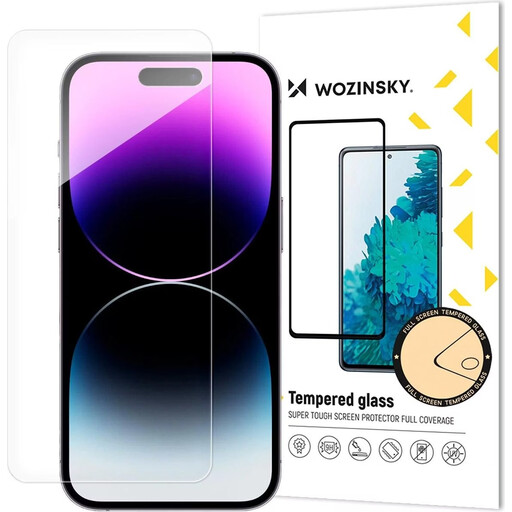
Why it suits this type of user: The flexible TPU film is a good choice if you want lightweight protection and straightforward installation. The product description says that a cleaning cloth and dust-removal stickers are included.
Its flexible design reduces the risk of damaging a rigid sheet by applying too much pressure during installation. The film is applied without an additional adhesive layer.
TPU material, adhesive-free application and installation accessories included.
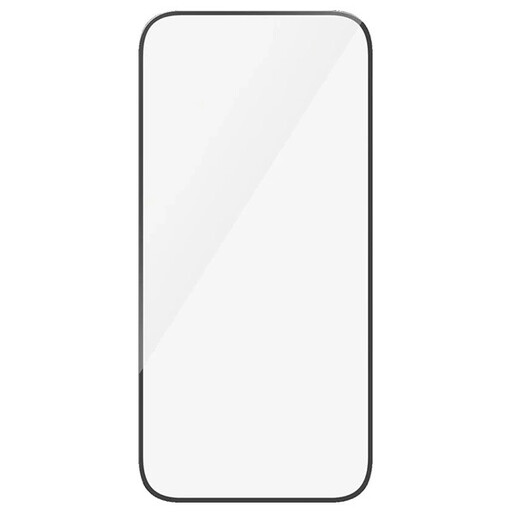
Why it suits this type of user: Toughened glass, an Ultra-Wide Fit and an oleophobic anti-fingerprint coating make this a good choice if you value a smooth surface and coverage close to the edges.
The product details specify case compatibility and installation designed to minimise bubbles. This addresses the common issues of excessive coverage and trapped air.
Toughened glass, Ultra-Wide Fit, oleophobic coating and stated case compatibility.
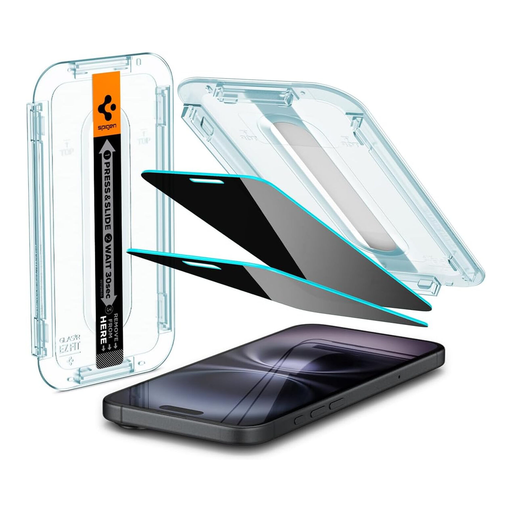
Why it suits this type of user: A privacy filter can be useful on public transport, in the office and in other public spaces, helping to limit side-on views of messages or login details.
The included EZ-Fit installation frame helps you align the protector evenly. Its side-on privacy feature also makes its purpose clearer than that of a standard screen protector.
9H hardness according to the product details, privacy function, two screen protectors and an installation adapter.
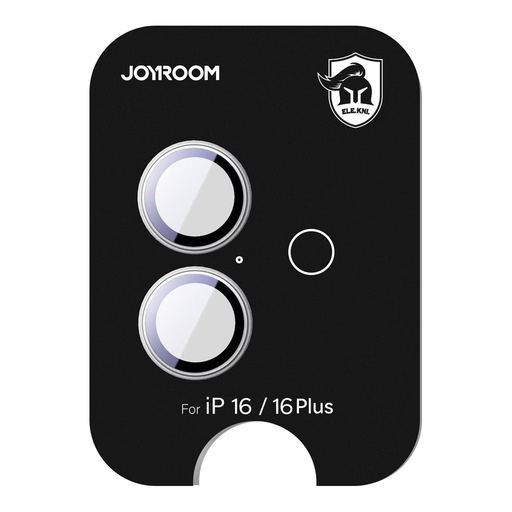
Why it suits this type of user: If you often place your camera module on surfaces or use your iPhone on the go, you might want to consider a camera lens protector alongside your screen protector.
The product is specifically designed for the camera lenses on iPhone 16 and iPhone 16 Plus. This helps avoid mistaking a screen protector for camera protection.
0.30 mm-thick Corning glass, 9H rating, anti-reflective coating and case compatibility according to the product description.
We’ve put together a complete, regularly updated list of products that meet these strict selection criteria and the safety regulations in force in the EU.
Replace the screen protector if it cracks or chips at the edges. Damaged glass can have sharp edges and may no longer protect the display evenly.
How long it lasts depends on how you use it, your case, how it’s installed and whether it gets damaged. Replace a rigid glass protector as soon as it cracks or chips at the edges. TPU films may last longer, as long as they don’t crease, peel away or develop noticeable scratches.
No. Full-Cover and Ultra-Wide Fit models extend closer to the edge and may catch on tight-fitting cases. Look for the words “case-compatible” and check how the protector fits with the specific case you own.
It depends on where you use your phone. Side-on privacy can be useful on trains, in offices or in cafés. The display may look darker when viewed at an angle. If you mainly want the screen to look as unchanged as possible, you’re better off with a clear screen protector or transparent toughened glass.