
Lieferung heute & morgen

Qualitätsgarantie

Willkommens-Angebote freischalten: KOSTENLOSE Lieferung | Bis zu 80 % RABATT | Kostenlose 30-Tage-JoyPlus-Testphase
App herunterladen
A new iPhone deserves protection, but not every iPhone 17 and iPhone 18 case and screen protector automatically fits the right model. Mistakes often happen because of unclear compatibility information, exaggerated protection claims, or accessories that interfere with important features.
Before you buy, it’s worth checking three common pitfalls:
First, check the full model name of your iPhone. The models relevant to your choice include:
An iPhone 17 Pro Max case needs different dimensions to an iPhone 17 Pro case. Some listings state shared compatibility, for example for iPhone 17 Pro and iPhone 18 Pro. You should always check this against your specific model and the camera cut-out.
For screen protectors, the screen size is also important. A protector for the iPhone 17 won’t automatically fit the Pro models. Look for terms like “case-friendly” so the edge of the protector isn’t lifted by the case.
A shockproof phone case is often made from TPU, silicone or a combination of materials. TPU is flexible and can absorb impacts. A silicone case usually feels grippy in the hand and is easy to fit.
Useful construction features include:
With a MagSafe-compatible case, the magnetic ring needs to be correctly positioned. Only then will magnetic mounts and chargers attach reliably. “Compatible with wireless charging” doesn’t automatically mean every accessory will hold with the same strength.
A 9H tempered glass protector is advertised with a hardness rating that refers to the surface’s resistance to scratches. However, it doesn’t represent comprehensive drop protection. Even hardened glass can break on an awkward impact.
Also look out for:
A scratch-resistant screen protector guards against everyday marks from keys, dust or friction, but it doesn’t replace careful handling. When applying it, the display must be dust-free. Trapped particles can cause bubbles and affect touch sensitivity.
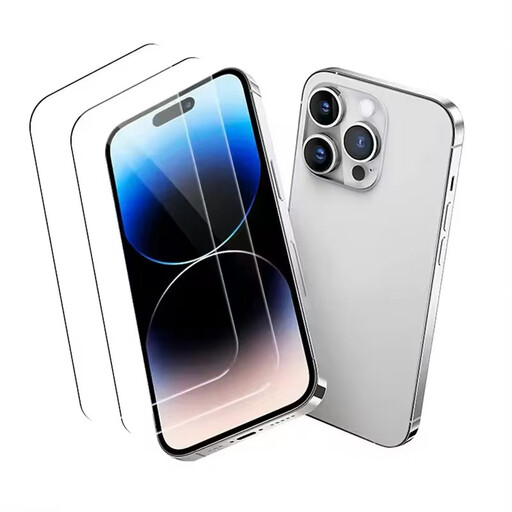
Why this product fits the profile: This protector is aimed at buyers who want basic screen protection with easy installation and a case-friendly design.
The listing states iPhone 17 Pro as the compatible model, along with 9H hardness, anti-fingerprint properties and an applicator.
Tempered glass, smooth surface, stated 9H hardness and mounting accessories included.
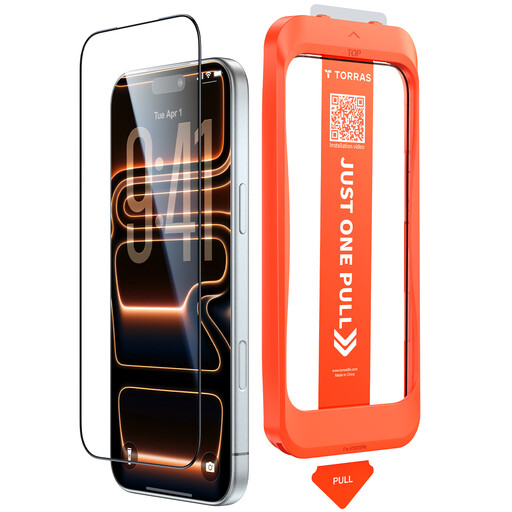
Why this product fits the profile: Suitable for users who value clear display quality, a defined installation aid and a slim edge design.
The product states a case-friendly construction, a claimed light transmittance of over 92 per cent and an installation solution to prevent bubbles.
Stated 9H hardness, oleophobic surface and edge reinforcement with 250 N+ according to the product description.
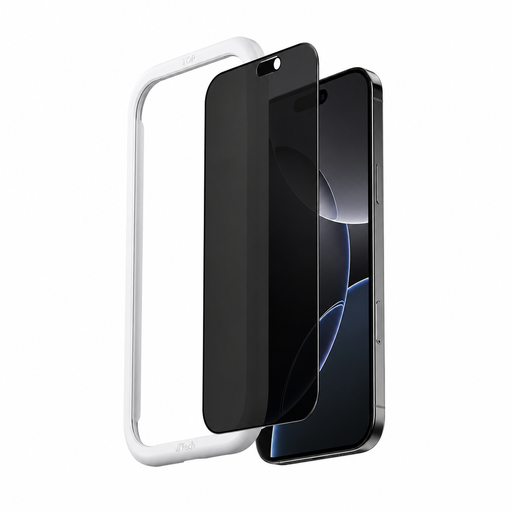
Why this product fits the profile: The limited side visibility is ideal for commuters, professionals and anyone using their phone in public spaces.
The stated privacy effect addresses prying eyes. At the same time, the product description notes that side visibility is reduced.
9H hardness, anti-fingerprint coating and stated 360-degree privacy effect; three protectors are included in the package.
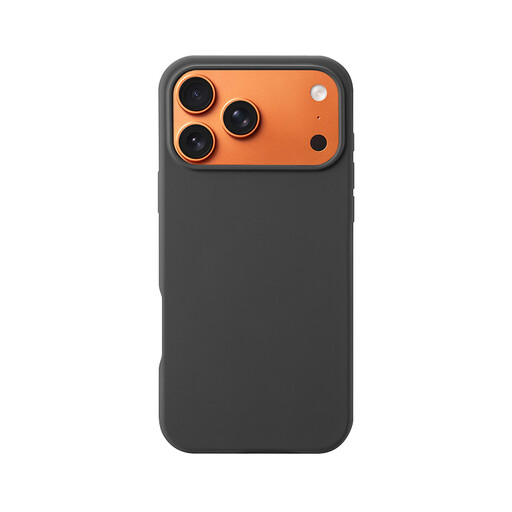
Why this product fits the profile: This case is aimed at buyers who value recycled materials, a grippy finish and compatibility with MagSafe and wireless charging.
The product description mentions recycled silicone, GRS certification and RoHS compliance. You should still check the fit against your specific model before ordering.
Four-sided wrap-around protection, raised camera edge, non-slip surface and, according to the product information, support for MagSafe and wireless charging.
We’ve put together a full, regularly updated list of products that meet these strict selection criteria and comply with all EU safety regulations.
Clean the display before installation using the included cleaning kit or a suitable lint-free cloth. Apply the protector in a dust-free environment if possible, and push bubbles from the centre outwards. A privacy screen protector should not be repeatedly peeled off and reapplied, as this can affect adhesion and the oleophobic surface.
The case itself should be cleaned regularly to remove dust and sand. Small particles between your phone and the case can cause scratches over time. If you notice cracks, significant wear or deformed corners, it’s worth replacing the case, as its protective function may be compromised.
Only if the seller explicitly states this compatibility and the cut-outs, buttons and camera align exactly. A general similarity between the devices is not enough for a reliable choice.
This depends on usage, scratches, edge wear and the quality of adhesion. Visible cracks, chipped edges or reduced touch sensitivity suggest it’s time for a replacement. Without knowing your individual usage, it’s not possible to give a fixed lifespan.
A slim case can allow wireless charging, provided the product explicitly states this. Very thick cases, metal parts or an incorrectly positioned magnetic ring can affect charging performance or magnet strength. So check the details about MagSafe case and wireless charging before you buy.