
Lieferung heute & morgen

Qualitätsgarantie

Willkommens-Angebote freischalten: KOSTENLOSE Lieferung | Bis zu 80 % RABATT | Kostenlose 30-Tage-JoyPlus-Testphase
App herunterladen
Purchasing an iPhone 17 Pro Max is a significant investment. To preserve its value and functionality, a suitable protective case is essential. In particular, an iPhone 17 Pro Max case with MagSafe functionality promises seamless compatibility with the Apple ecosystem. However, the market is flooded with products whose marketing promises often fall short in practice. This guide will help you identify the crucial features and avoid common purchasing traps.
Many users invest in a case only to find that it fails to meet basic requirements after a short time. Pay special attention to these three common flaws:
To avoid a poor purchase, you should check three core technical aspects before making a decision. These define the longevity and functionality of your future protective case for the iPhone 17 Pro Max.
MagSafe compatibility is achieved through a magnetic ring integrated into the case. Look for products that explicitly feature a firmly integrated magnetic ring. Simple metal plates that are merely glued in can detach over time. The precise alignment of the ring is crucial for maximum charging power and a secure connection with Apple iPhone 17 accessories. A high-quality shockproof iPhone case ensures that the magnets remain securely in place even after drops.
A good case is rarely made from a single material. A proven design is the three-layer construction:
This combination makes a Liquid Silicone Case for the iPhone 17 more durable than simple TPU or silicone models.
There are two effective protection concepts for the sensitive camera system. The choice depends on your personal requirements:
Based on the criteria mentioned, we have identified some products suitable for different user profiles.
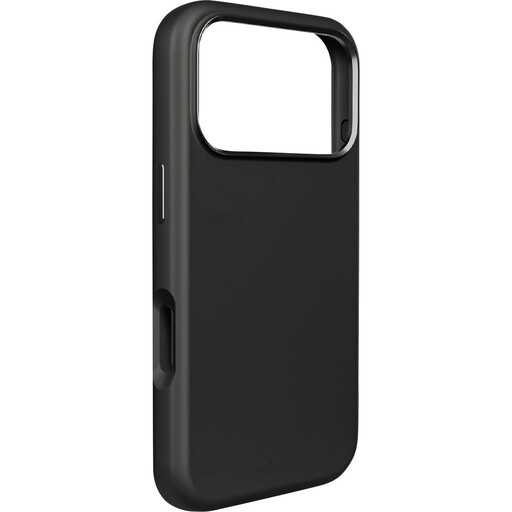
Why it's a good fit: Ideal for users who appreciate the iPhone's slim design and want a case that offers protection without adding bulk. The matte surface feels premium, and the MagSafe function is seamlessly integrated.
The firmly integrated magnetic ring ensures a strong hold for MagSafe accessories. The three-layer construction of liquid silicone, polycarbonate, and microfibre prevents premature material fatigue.
Provides balanced protection with minimal bulk. The anodised aluminium buttons deliver precise tactile feedback.
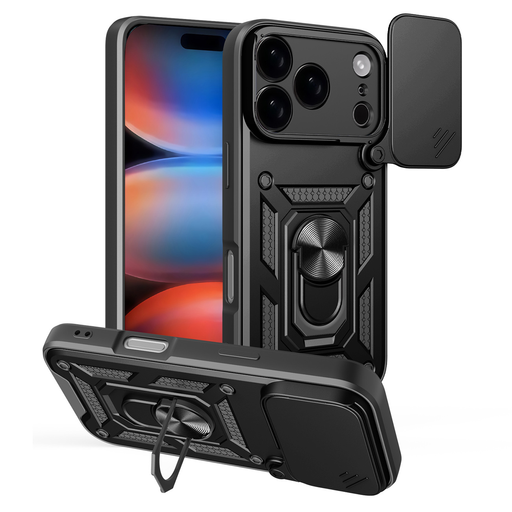
Why it's a good fit: Designed for users who need maximum protection and added functionality. The integrated stand and camera cover are practical tools for intensive daily use. (Note: The model shown is for the iPhone 17 Pro; similar designs are available for the Pro Max).
The sliding cover specifically addresses the vulnerability of the unprotected camera module, effectively preventing scratches and dirt. The robust hybrid construction of TPU and polycarbonate is designed for durability.
Combines high-level protection with practical extra features like a kickstand and full camera protection in a single product.
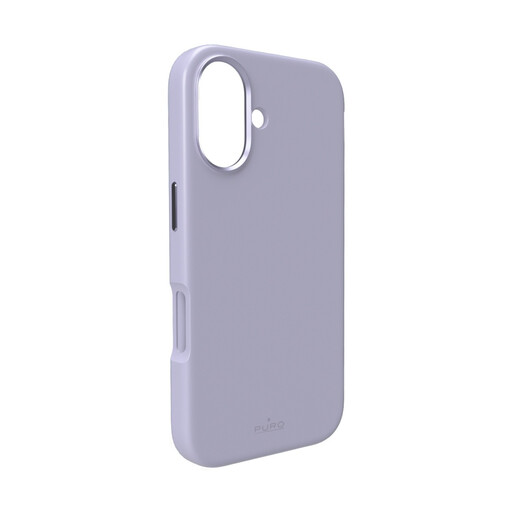
Why it's a good fit: For those who don't want to sacrifice style for protection. This product line offers proven protective features in a variety of colours to personalise the iPhone. (Note: The image shows a colour variant for the iPhone 17; the series is also available for the Pro Max).
The liquid silicone used is colourfast and resistant to yellowing or dirt adhesion. The MagSafe functionality is reliable and strong, regardless of the chosen colour.
Allows for device personalisation through a wide range of colours without compromising on essential protective features and MagSafe compatibility.
We have compiled a complete, up-to-date list of products that meet these strict selection criteria and comply with current regulations.
1. How much does a MagSafe case affect charging performance? A high-quality case with a correctly aligned, integrated magnetic ring has a negligible impact on charging efficiency. However, models with overly thick back panels or poorly placed magnets can reduce charging performance and lead to increased heat generation.
2. Do transparent iPhone 17 Pro Max cases with MagSafe turn yellow over time? Many transparent cases, especially those made of simple TPU material, are prone to yellowing under UV exposure. Look for products explicitly advertised as "anti-yellowing" or "yellowing-resistant." These are often made from higher-quality polycarbonate (PC) or specially treated TPU.
3. Is a case with integrated camera protection better than a separate glass lens protector? Both approaches have pros and cons. Integrated protection, like a sliding cover, is convenient and reliably prevents scratches. Separately applied glass protectors can offer direct protection against impact on the lens, but if they are of poor quality or incorrectly applied, they can degrade photo quality. A case with a deep, sturdy protective rim around the camera module often represents a good compromise.