
Lieferung heute & morgen

Qualitätsgarantie

Willkommens-Angebote freischalten: KOSTENLOSE Lieferung | Bis zu 80 % RABATT | Kostenlose 30-Tage-JoyPlus-Testphase
App herunterladen
A damaged screen is not just frustrating; it can also affect how you use your iPhone 17 Pro Max and reduce its resale value. The right iPhone 17 Pro Max screen protector should help reduce scratches, fingerprints and everyday knocks without unnecessarily affecting image quality or touch sensitivity.
However, some marketing claims can easily lead to the wrong choice. Terms such as “military-grade”, “unbreakable” or “100% compatible” are of limited value without specific technical details. What really matters is the actual fit, the edge design, the coating and a realistic assessment of the material in question.
An iPhone 17 Pro Max tempered glass screen protector advertised as 9H or 10H is designed to resist many everyday scratches. However, the hardness rating does not automatically mean that the glass will remain undamaged after every drop. A focused impact on an edge can damage even tempered glass.
You should therefore also look for:
A full-cover screen protector extends closer to the edge of the display. This can provide better front coverage, but with a close-fitting case there is a risk that the edges will be lifted. A case-friendly screen protector deliberately leaves a small gap at the sides.
Before buying, check whether the manufacturer gives specific details about case compatibility and whether an installation aid is included. A general percentage indicating compatibility should not be taken as a guarantee that the protector will fit every case.
An iPhone 17 Pro Max privacy screen protector can make it harder for people to see your screen on buses, trains or in the office. However, the visible area becomes more restricted depending on the viewing angle. The display may appear darker when viewed from the side, and you may need to increase the screen brightness.
If you often view photos, videos or maps with other people, a clear screen protector is usually the better choice.
Tempered glass provides a smooth, glass-like feel and is often advertised with 9H hardness. It is suitable for users who prefer a firm surface and resistance to typical scratches caused by keys or other items in a pocket or bag.
An iPhone 17 Pro Max screen protector film made from multi-layer plastic is more flexible and can adapt better to slight curves. It will not shatter like glass if it breaks. However, sharp or pointed objects can still penetrate a film. The claim “up to 700% reinforcement” should be understood as a manufacturer’s specification, not a promise that the display will remain undamaged.
An anti-fingerprint coating generally consists of an oleophobic or hydrophobic surface layer. It can reduce the adhesion of skin oils, sweat and moisture. Its effectiveness decreases with use and also depends on how the protector is cleaned.
Use a soft, lint-free cloth. Abrasive cleaners, solvents and sharp-edged objects can damage the coating.
A good iPhone 17 Pro Max screen protector should be precisely cut for the model. Look for:
A separate iPhone 17 Pro Max camera protector can also be useful if you often store the device together with keys or other hard objects. The camera protector must fit precisely and must not affect the lenses or flash. Protection for the camera lenses does not replace a screen protector.
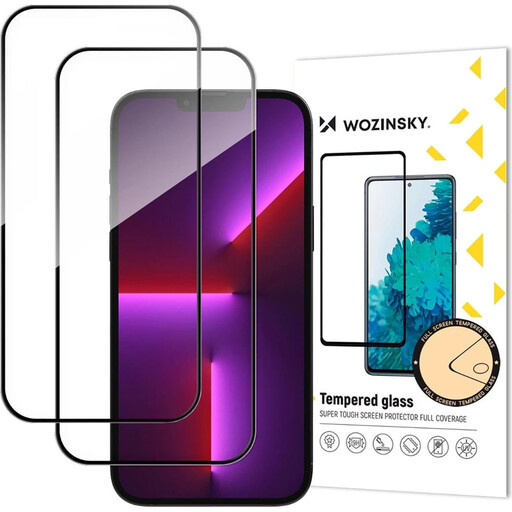
Why this product suits this profile: The two-pack provides a spare in case the first glass is damaged during installation or needs replacing later. The full-surface adhesive is appealing to users who value even adhesion across the entire screen.
The product details specify 9H tempered glass, installation aids and application from the centre outwards. This supports a bubble-free installation, but does not replace careful cleaning.
9H tempered glass, full-glue adhesive surface and two pieces per pack.
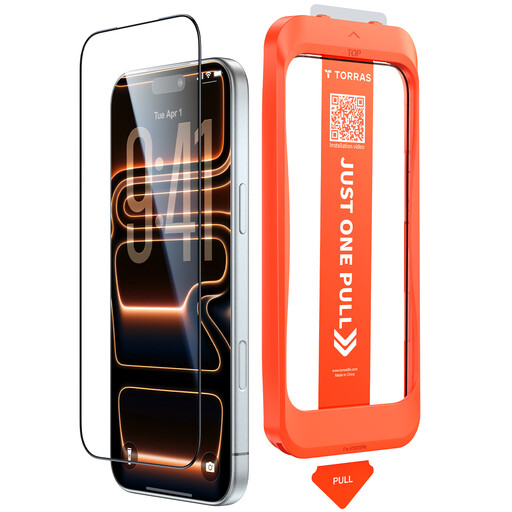
Why this product suits this profile: Ideal for users who value a clear display, smooth touch control and straightforward alignment. According to the product details, light transmission is above 92 per cent.
The specifications mention a case-friendly design, static adhesion and a reinforced edge zone. This addresses common problems such as lifting edges and visible bubbles.
9H hardness, oleophobic surface and installation using static adsorption.
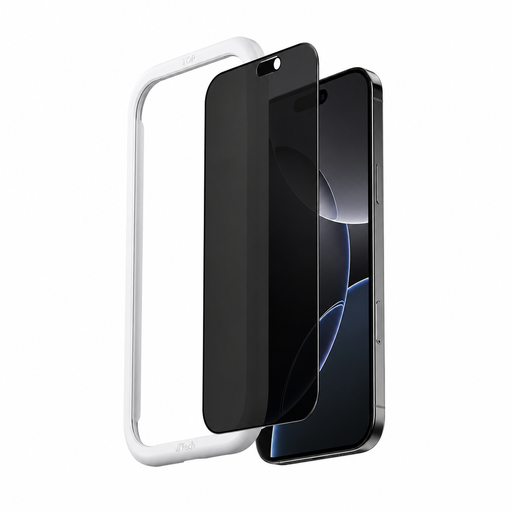
Why this product suits this profile: The privacy function is designed for commuters, office environments and situations involving confidential messages or password entry.
The product description specifies side-view privacy, 9H hardness and a one-click installation process. Bear in mind that privacy glass can make the display appear darker when viewed from the side.
360-degree privacy according to the product details, a fingerprint-resistant surface and a supplied applicator.
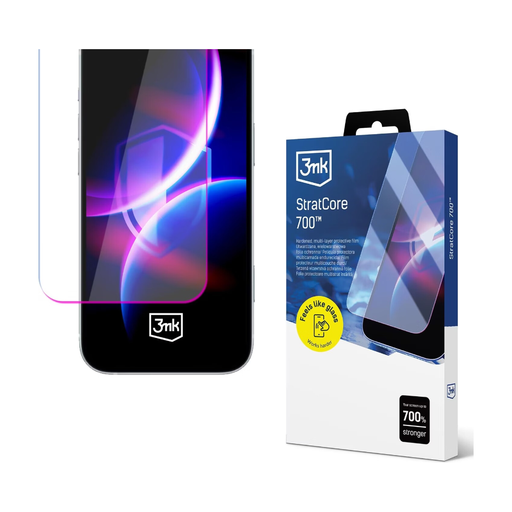
Why this product suits this profile: The flexible film is suitable for users who want to combine a glass-like feel with a shatter-free design and compatibility with sensors and cases.
The description clearly states that this is not glass and that pointed objects can penetrate the film. This makes it easier to assess the level of protection realistically.
0.40 mm multi-layer construction, 7H hardness, oleophobic and hydrophobic layers.
We have put together a complete, regularly updated list of products that fully meet these strict selection criteria and the safety regulations applicable in the EU.
A bubble-free installation depends more on preparation than on marketing claims. Follow these steps in order:
If a screen protector is already damaged or chipped, it should be replaced. Do not use needles or sharp tools, as these can damage the display, coating or film.
There is no fixed lifespan that applies in every case. It depends on drops, friction, cleaning products and daily use. Replace the screen protector as soon as you notice cracks, chips, severe scratches or lifting edges.
A correctly fitted and properly installed glass protector should have only a minor effect on touch control. Dust beneath the glass, poorly adhered edges or an overly thick construction can cause problems, however. For this reason, check model compatibility and use a precise installation aid.
It is particularly useful if you regularly use your iPhone on public transport, in the office or in other places where people may look over your shoulder. For unrestricted colour reproduction and sharing content with others, a clear screen protector is usually more suitable.