
Lieferung heute & morgen

Qualitätsgarantie

Willkommens-Angebote freischalten: KOSTENLOSE Lieferung | Bis zu 80 % RABATT | Kostenlose 30-Tage-JoyPlus-Testphase
App herunterladen
A damaged screen or scratched camera lenses can quickly become costly on a premium smartphone. The right iPhone 17 Pro Max screen protector can reduce the risk of scratches, scuffs and certain types of impact damage in everyday use. However, it’s no substitute for careful handling and won’t make your device indestructible.
Three common marketing traps can lead to the wrong choice:
An iPhone 17 Pro Max tempered glass screen protector is usually made from toughened safety glass. The 9H rating appears on several products and refers to a defined level of scratch resistance, not a guarantee against a cracked screen. Even 10H glass can be damaged by a concentrated impact.
Flexible hybrid protectors, by contrast, combine plastic or multiple layers with a glass-like surface. They won’t break like traditional glass, but can be pierced or damaged by heavy pressure. If you prefer a very hard surface, choose an iPhone 17 Pro Max glass screen protector. A hybrid protector may be more practical for curved edges, a lighter feel or flexible fitting.
A full-coverage protector should cover as much of the screen as possible without touching the case. The term case-friendly screen protector means that a small gap has been allowed around the edges for cases. Even so, a particularly snug case may cause problems.
The selected products, for example, are 0.33 mm, 0.4 mm thick or less. Less material can feel less noticeable, while extra edge reinforcement or a black border can affect coverage. Before buying, check the model name, screen size, cut-outs and compatibility with your existing case.
An anti-fingerprint coating can reduce grease and sweat marks, but it won’t prevent fingerprints permanently. For fitting, a dust-free environment, a cleaning cloth and a dust remover are essential. A frame or fitting guide included in the pack makes alignment easier and improves the chances of a bubble-free installation.
Electrostatic adhesion works without conventional glue and can usually be removed without leaving residue. Full-surface adhesive layers can create a strong bond, but they require particularly clean and precise application. After fitting, push any bubbles from the centre towards the edges. Replace damaged glass for safety.
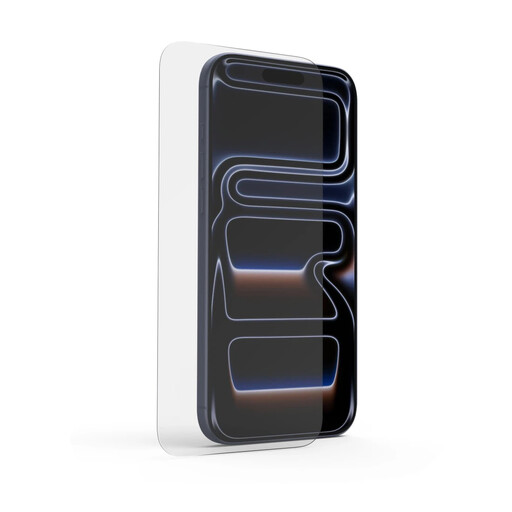
Why it suits this profile: The set includes 9H safety glass, electrostatic adhesion and a fitting guide. It’s a good choice if you’re after a clear, straightforward option that’s easy to apply.
Compatibility with the iPhone 17 Pro Max is specified. The EcoFrame fitting guide reduces the risk of misalignment, and electrostatic fitting means there’s no need for additional adhesive.
0.33 mm thick, transparent, 9H hardness, anti-fingerprint surface and, according to the product details, 60% recycled glass.
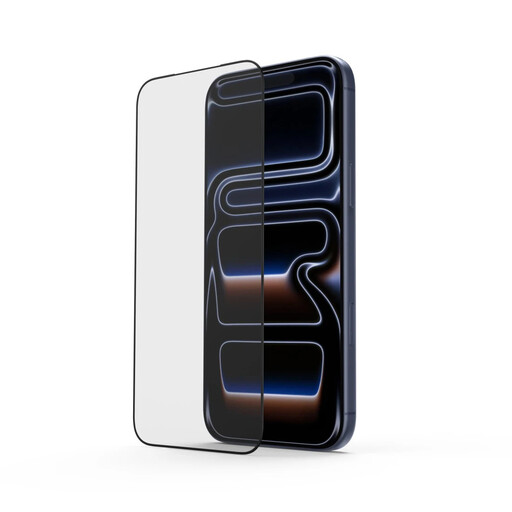
Why it suits this profile: This option is for users who value a stated AR coating, full coverage and guided fitting.
The anti-reflective surface helps tackle glare, without the product details promising a clear view from every angle. The fitting tray also helps reduce alignment errors.
10H rating, AR coating, 0.33 mm thickness, electrostatic adhesion and, according to the product description, 60% recycled glass.
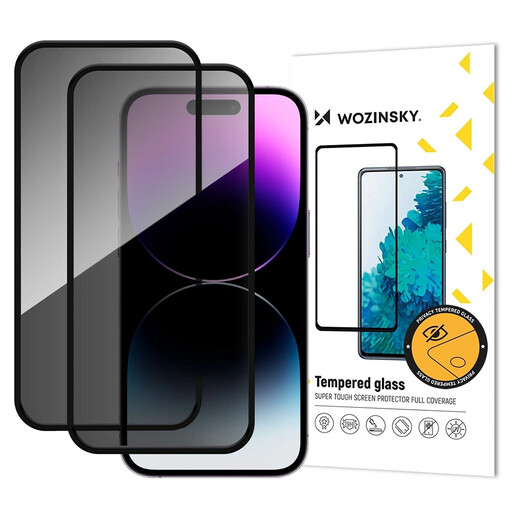
Why it suits this profile: This privacy screen protector for iPhone 17 Pro Max is designed for commuters, office workers and anyone who wants to stop people easily seeing their screen from the side while they’re out and about.
Side-view privacy is listed as a specific feature. Bear in mind, though, that privacy glass can affect perceived brightness and clarity depending on the viewing angle.
9H safety glass, anti-spy filter, black border and two protectors per pack, with fitting accessories.
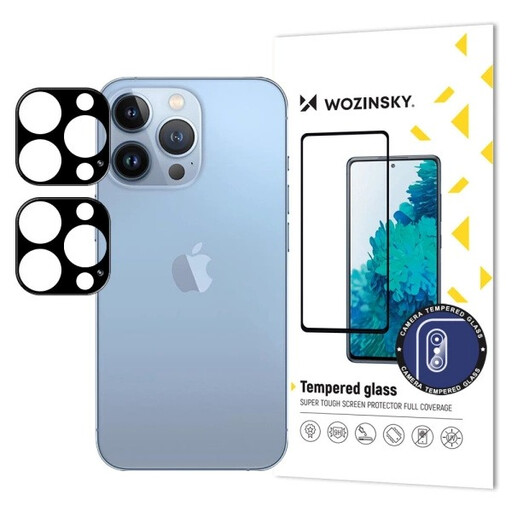
Why it suits this profile: This camera lens protector for iPhone 17 Pro Max complements screen protection. It’s aimed at users whose phone often ends up on tables, in bags or out and about.
This option protects more than just the screen: it’s specifically designed for the camera module. Clean the lens area and glass carefully before fitting.
9H toughened glass, 0.2 mm thick, black border and two protectors in the set.
We’ve put together a complete, regularly updated list of products that meet these strict selection criteria and fully comply with the safety regulations in force in the EU.
Its lifespan depends on how you use your phone, drops, friction and the quality of the surface. Visible cracks, chipped edges, deep scratches or weakening adhesion are all reasons to replace it. There’s no reliable way to recommend a fixed replacement interval for every user.
It depends on what you need. Toughened glass has a hard, glass-like surface and is often rated 9H. A flexible screen protector may adapt more easily and won’t break in the same way as glass. Both types can fail under strong, concentrated pressure.
Yes, as long as the product is marked case-friendly and the case leaves enough space around the edges. Particularly tight-fitting cases can still put pressure on the glass. Make sure the protector and case work together in terms of edge clearance and coverage.