
Lieferung heute & morgen

Qualitätsgarantie

Willkommens-Angebote freischalten: KOSTENLOSE Lieferung | Bis zu 80 % RABATT | Kostenlose 30-Tage-JoyPlus-Testphase
App herunterladen
An iPhone 17 Pro screen protector is designed to protect your display from scratches, knocks and damage in everyday use. However, not every protector is automatically compatible with your smartphone or the case you use. Choosing the wrong model, imprecise cut-outs or a difficult installation can mean that the screen protector becomes a nuisance or needs replacing after only a short time.
This buying guide explains which details really matter and which marketing claims you should examine critically when choosing an iPhone 17 Pro tempered glass screen protector.
The models differ in their dimensions. An iPhone 17 Pro Max screen protector is therefore not automatically suitable for the iPhone 17 Pro. Check the manufacturer’s exact compatibility information. Product pages covering several model generations should also explicitly list the device you want.
The specification 9H screen protection or 10H describes scratch resistance according to a particular testing method. It is not a blanket promise that the glass will remain undamaged after every fall. The edges, cut-outs, glass thickness and quality of the adhesive also affect how well it performs in everyday use.
A screen protector may break on impact while still preventing some of the force from reaching the actual display. For safety reasons, damaged glass should be replaced.
Even a screen protector with an installation aid can develop bubbles or trap dust if the display is not completely clean. Dust, grease and fibres affect adhesion. A calm, relatively dust-free environment and a suitable alignment frame reduce the risk of incorrect positioning.
Tempered glass for the iPhone 17 Pro is often advertised as 9H. This specification is widely used by retailers and should be considered alongside other product details. Some models use safety glass or multi-layer materials. A flexible screen film may feel different from rigid tempered glass and does not offer the same edge protection.
The following points are also important:
A full-glue screen protector has an adhesive layer across its entire underside. This can allow it to sit more evenly than a model with limited adhesive zones. According to the product details, some electrostatically adhering versions can be removed without leaving residue and fitted using an installation aid.
Before buying, check whether an applicator, cleaning cloths, dust-removal stickers or a squeegee are included. This type of accessory is particularly useful if you have no previous installation experience.
An iPhone 17 Pro privacy screen protector limits the viewing angle of the display from the side. This can be practical for commuters, office workers or use in public places. At the same time, a privacy filter can make the display appear darker when viewed from an angle. If you often share content with several people, a clear protector is likely to be the better choice.
Also look for the wording case-compatible screen protector. This does not automatically mean that every case will fit without problems. Cases that overlap significantly or fit very tightly can put pressure on the glass around the edges.
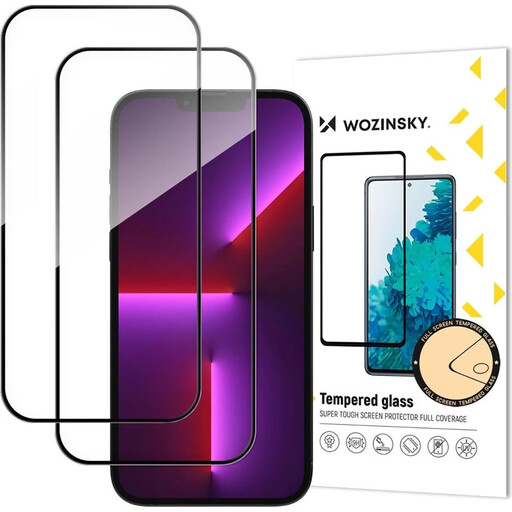
Why this product suits this profile: The two-pack includes an additional replacement protector and is ideal for anyone looking for straightforward basic protection with clearly stated model compatibility.
Compatibility with the iPhone 17 Pro is explicitly stated. The full-glue adhesive surface and included accessories help ensure an even, bubble-free installation.
9H hardness, clear design, black frame and two screen protectors per pack.
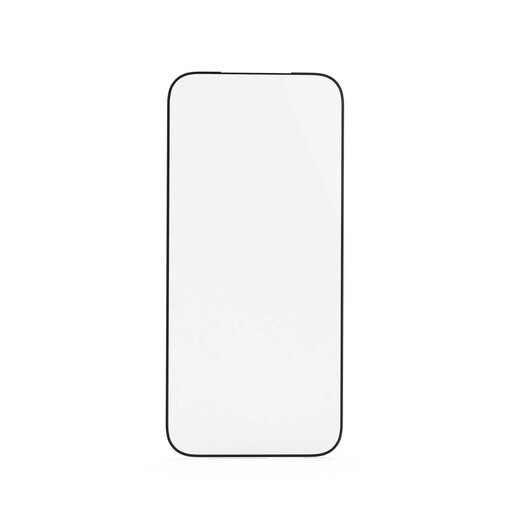
Why this product suits this profile: Anyone who values a clear display and precise installation gets a model with AR coating, an installation aid and electrostatic adhesion.
The product details specify 10H hardness, a thickness of 0.33 mm and an anti-reflective AR coating. This makes it easier to assess the technical features rather than relying solely on marketing terms.
10H safety glass, full-cover design, fingerprint protection and included EcoFrame installation aid.
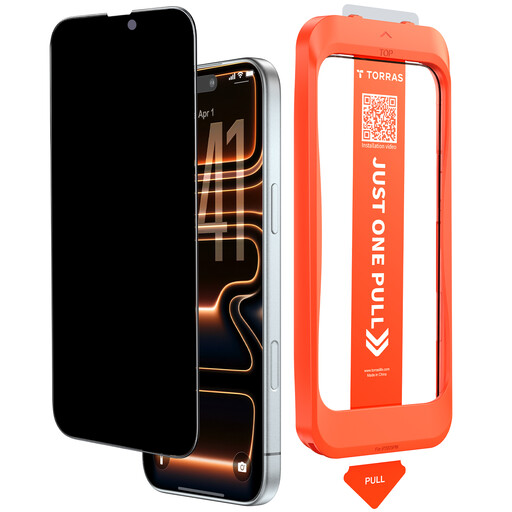
Why this product suits this profile: This privacy glass is aimed at commuters, professionals and frequent users who want to shield their content from prying eyes while on the move.
The side-view privacy feature is clearly stated as a product specification. The precise cut and specified edge clearance are designed for use with a wide range of protective cases.
According to the product details, over 92% light transmission, 9H hardness, oleophobic surface and an installation aid for bubble-free fitting.
An iPhone 17 screen protector should not be applied to a display that is already damaged. When removing broken glass, handle the edges carefully. The glass is not a substitute for a shock-absorbing protective case.
Its lifespan depends on drops, friction, keys, bags and daily cleaning. If scratches, cracks, chipped edges or lifting become visible, the glass should be replaced. With a two-pack, you already have a replacement ready.
That depends on how you use your device. A privacy protector can limit visibility from the side while maintaining a clear view from the front. However, the display may look darker when viewed from an angle. Clear protective glass is generally more suitable for frequent presentations or sharing the screen with others.
An iPhone camera protector protects the lens cover from scratches and friction. It is a separate accessory and does not replace a screen protector. When choosing one, look for precise cut-outs, smooth edges and compatibility with your case.
We have compiled a complete, regularly updated list of products that fully meet these strict selection criteria and the safety regulations applicable in the EU.