
Lieferung heute & morgen

Qualitätsgarantie

Willkommens-Angebote freischalten: KOSTENLOSE Lieferung | Bis zu 80 % RABATT | Kostenlose 30-Tage-JoyPlus-Testphase
App herunterladen
The right screen protector for your iPhone 17 Pro can help reduce scratches, knocks and everyday wear without affecting how you use your phone or how the display looks. At first glance, choosing one seems simple: many products advertise 9H or 10H hardness, HD clarity or especially quick installation. However, these claims are not always directly comparable.
As a Joybuy Product Recommendation Officer, I’ve picked out the most important things to consider and explain which features matter for different ways of using your phone.
The 9H or 10H marking describes the material’s scratch resistance according to a particular hardness scale. It does not mean the screen protector will remain undamaged after every drop. Even tempered glass for iPhone 17 Pro can break on impact. The benefit is that it is often the screen protector, rather than the display itself, that gets damaged.
A full-coverage screen protector for iPhone 17 Pro can extend right to the edges of the display. Even so, it’s important to check that the cut-outs, edge clearance and shape of the glass are right for your phone. A protector that’s too large may lift when you put a case on. Look for wording such as case-compatible screen protector or “case-friendly”.
A privacy screen protector makes the display harder to see from the side. This is useful on public transport or in the office, but it can change how the screen looks from an angle. If you often edit photos or view content with other people, a clear screen protector is usually a better choice.
9H and 10H are common ratings for iPhone 17 Pro tempered glass screen protectors. Treat them as a guide to scratch resistance, not a guarantee against breakage. Depending on the model, the protector may be 0.33 mm, 0.40 mm thick or more. Thinner options may feel less noticeable, while thicker versions may offer a more substantial edge, depending on their design.
Material details such as “Tempered Safety Glass”, Corning glass or multi-layer protective film should be clearly stated. According to its product details, the 3mk StratCore700 film is 0.40 mm thick and has a stated hardness rating of 7H. It is therefore not directly comparable with a 9H tempered glass protector.
An ultra-clear HD screen protector is a good choice if you want colours and sharpness to look as close to the original as possible. An oleophobic or anti-fingerprint coating can help reduce visible fingerprints. However, coatings wear over time and may become less effective with frequent cleaning or abrasive products.
A privacy screen protector, on the other hand, is designed to protect your privacy. Models from Wozinsky, VoxorAI and SAFE. by PanzerGlass use a side-view filter. Before you buy, check that the filter is comfortable to use at your usual screen brightness and that touch controls still work reliably.
Dust trapped under the glass can leave visible specks and affect how well it sticks. A bubble-free installation depends not only on the product, but also on how well you prepare:
On some Hama models, electrostatic adhesion allows you to fit the protector without a traditional adhesive layer and remove it without leaving residue. Other products use full-surface adhesive. Both approaches can work; what matters is checking the installation instructions and how the protector can be removed later.
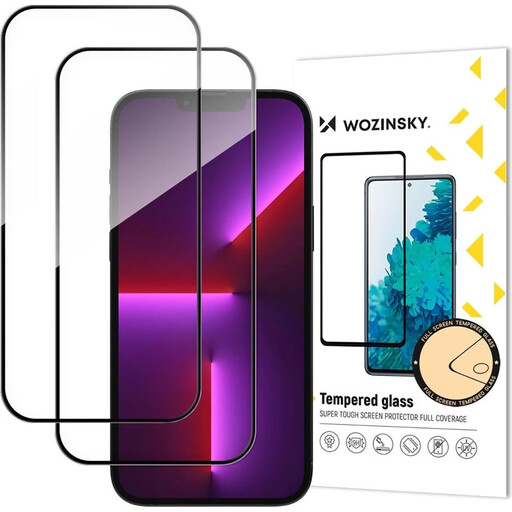
Why it suits this type of user: The two-pack gives you a spare in case the first protector gets damaged during installation or needs replacing later. It’s designed for iPhone 17 Pro and fits many cases.
Its stated 9H hardness rating is paired with full-surface adhesive and instructions to fit it from the centre outwards. With careful preparation, this helps reduce the risk of air bubbles.
9H tempered glass, two protectors per pack, clear finish and stated case compatibility.
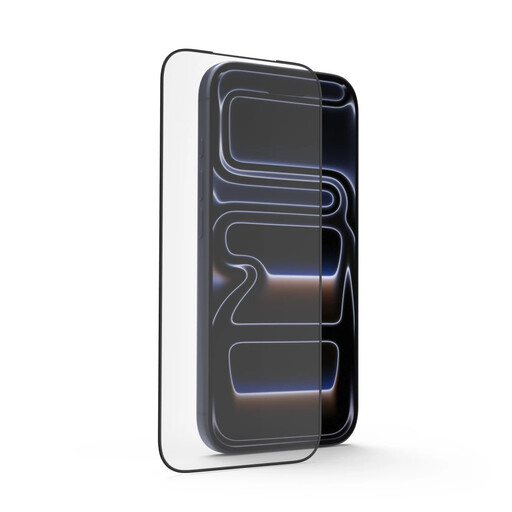
Why it suits this type of user: A good option if you prefer clearly specified materials and installation features, along with extensive screen coverage.
The product details specify 10H hardness, a thickness of 0.33 mm, CNC-machined cut-outs, electrostatic adhesion and an EcoFrame installation aid. This makes key buying criteria clear.
D3O material, 10H hardness, anti-fingerprint coating, full-cover design and an installation aid.
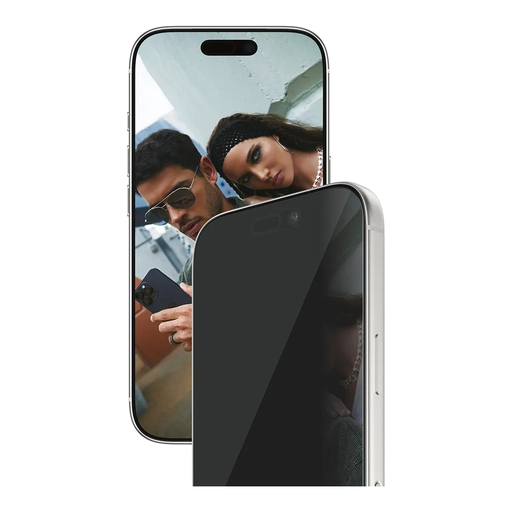
Why it suits this type of user: The built-in side-view privacy filter is designed for commuters, office workers and anyone who regularly uses their phone in public places.
The feature is explicitly described as a side-view privacy filter. You don’t have to guess how it works based on a vague “privacy” claim.
Ultra-Wide-Fit, EasyAligner installation aid, oleophobic coating and stated touch sensitivity.
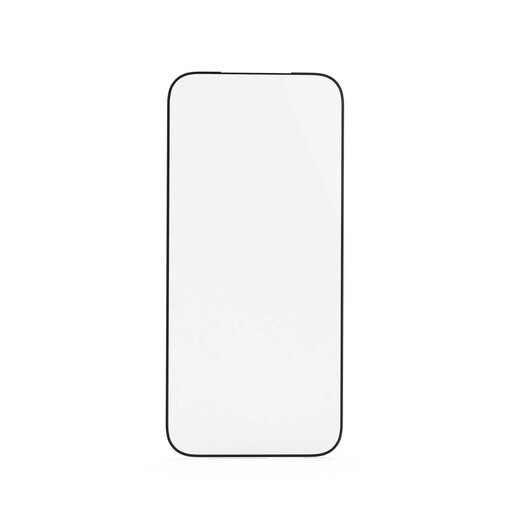
Why it suits this type of user: This model is aimed at heavy users who use their phone outdoors as well as in brightly lit indoor spaces.
The anti-reflective feature is specifically identified as an AR coating, making it distinct from a general HD or clarity claim.
10H rating, AR coating, 0.33 mm thickness, electrostatic adhesion and installation straight from the packaging.
We’ve put together a complete, regularly updated list of products that meet these strict selection criteria and the applicable EU safety regulations.
How long it lasts depends on how you use your phone, knocks, cleaning products and the quality of the coating. Replace the glass if you notice cracks, chips, raised edges or bubbles that won’t go away. Don’t continue using a damaged protector.
Clean the display in a place with as little dust as possible and remove any visible specks before applying the protector. An installation aid makes it easier to line up. Then press the glass down from the centre outwards, rather than pushing it down firmly on all sides at once.
It depends on how you use your phone. A flexible screen protector can feel thin and may work well with certain cases. Tempered glass, on the other hand, provides a firm surface and a higher stated hardness rating. Compare the material, thickness, fit and how you plan to use it, rather than relying on the product name alone.