
Lieferung heute & morgen

Qualitätsgarantie

Willkommens-Angebote freischalten: KOSTENLOSE Lieferung | Bis zu 80 % RABATT | Kostenlose 30-Tage-JoyPlus-Testphase
App herunterladen
An unprotected display can quickly be exposed to minor everyday hazards: keys in your trouser pocket, sand in your bag, knocks when getting on or off a bus or train, and fingerprints from frequent use. A suitable iPhone 17 Pro screen protector can help protect the display surface from scratches and everyday wear. However, it does not replace a protective case and cannot reliably prevent every type of screen damage caused by a heavy drop.
Ratings such as 9H protective glass or 10H primarily describe scratch resistance according to a specific testing method. They do not automatically mean that the glass will withstand every impact. Glass thickness, edge construction, fit and the quality of the adhesive layer are also important factors.
An iPhone 17 Pro privacy screen protector limits the viewing angle from the side. This is useful on trains, in open-plan offices or in cafés. Depending on the design, the display may appear darker when viewed from the side. Perceived brightness and clarity also differ from those of completely transparent protective glass.
A case-friendly screen protector normally leaves a small gap around the edge for the protective case. Even so, particularly close-fitting or raised-edge cases may put pressure on the edges. Before buying, check the model name, display size and information about case compatibility. A protector for the iPhone 17 Pro is not automatically suitable for Pro Max or older models.
An iPhone 17 Pro tempered glass protector, also known as iPhone 17 Pro protective glass, is usually made from toughened glass. It feels similar to the original display surface and provides a firm, smooth layer against scratches. However, it can shatter or chip around the edges following a heavy impact and should then be replaced.
A multi-layer film is more flexible and can adapt better to slight movement or curved edge areas. According to the manufacturer, the 3MK StratCore700 has a thickness of 0,40 mm and a stated hardness of 7H. Such figures should be understood as product specifications, not as a guarantee against a cracked display.
The following points are particularly relevant when choosing a protector:
A bubble-free installation is more reliable in an environment with as little dust as possible. First clean the display with the damp cloth, then wipe it dry and remove any remaining particles with a dust-removal sticker. An included alignment frame makes positioning easier.
Do not lift and reposition the glass repeatedly. Dust particles can get underneath the adhesive layer. If the protective glass is damaged or chipped, it should be replaced promptly. Avoid applying excessive pressure to the OLED display during installation.
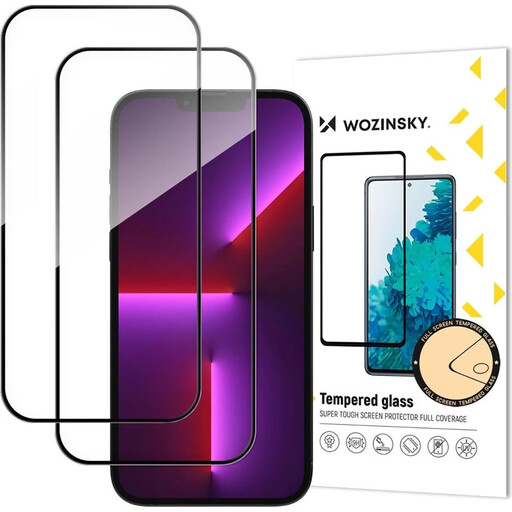
Why this product suits this profile: Two protective glasses in one pack provide a replacement option if the first protector is damaged during installation or develops cracks later on.
The full-glue design distributes adhesion across the entire surface. The product specifications also state 9H hardness, installation accessories and compatibility with most cases.
2-pack, 9H rating, black edging and high transparency according to the product description.
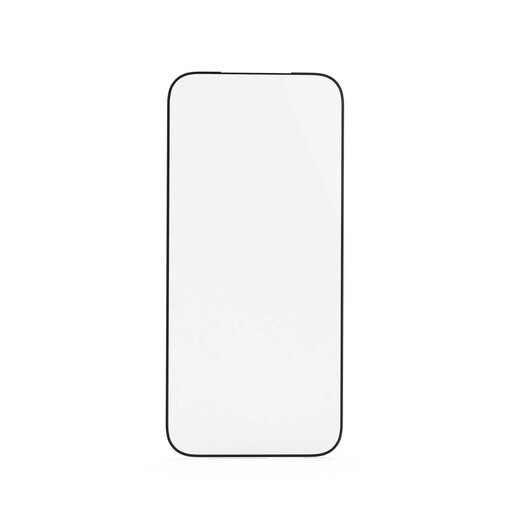
Why this product suits this profile: The combination of an anti-glare coating, precise fit and installation aid is designed for users who value clear visibility in changing lighting conditions.
The product description mentions an AR coating to reduce reflections and electrostatic adhesion without adhesive residue. This makes later removal easier.
10H hardness, 0,33 mm thickness, anti-fingerprint coating and in-box installation according to the manufacturer.
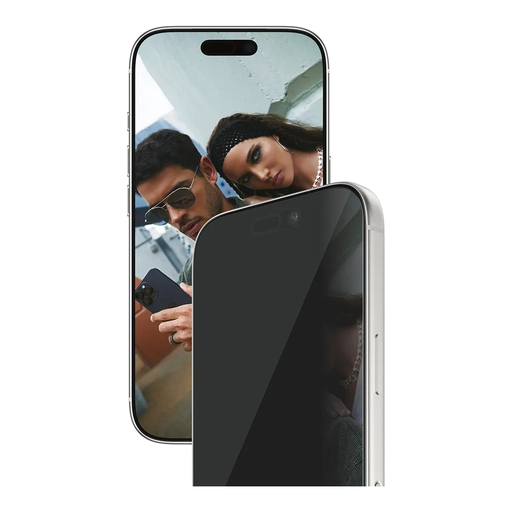
Why this product suits this profile: The side-view privacy function is ideal for commuters, professionals and anyone who regularly uses their display in public spaces.
The side-view privacy filter addresses the problem of prying eyes. The EasyAligner supports even, as bubble-free as possible installation.
Ultra-wide fit, oleophobic coating, EasyAligner and 60% recycled material according to the product specifications.
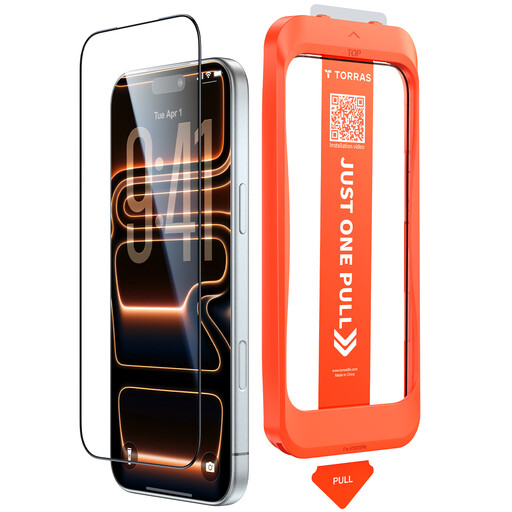
Why this product suits this profile: The clear design is intended for users who do not want side-view privacy protection and prefer to experience brightness and colour as naturally as possible.
The installation aid and case-friendly design help address the common problems of uneven application and lifting edges.
Over 92% light transmission, 9H hardness, oleophobic surface and static adhesion according to the manufacturer.
We have put together a complete, regularly updated list of products that fully meet these strict selection criteria and the safety regulations applicable in the EU.
For long-lasting use, clean the surface regularly with a soft, dry microfibre cloth. Alcohol, solvents and abrasive cleaning products can affect coatings. Even with an impact-resistant screen protector, a protective case remains advisable, as screen protectors mainly cover the front of the device. After a drop, check for visible cracks, chipped edges or areas that have come away.
It is not possible to give a reliable fixed lifespan. It depends on usage, the case, transport and exposure to drops and impacts. Replace the protector if you notice scratches, cracks or lifting edges, or after a heavier impact.
Protective glass offers a firm, glass-like surface and is often chosen for its scratch resistance. A flexible film can adapt better to slight movement and will not shatter like glass. The right choice depends on whether you prioritise a solid feel or a flexible design.
A suitable privacy protector should generally allow the touchscreen to remain fully usable. However, the image is intentionally darker or less visible when viewed from the side. If you often view photos, videos or maps with other people, a clear protective glass may be a better choice.