
Lieferung heute & morgen

Qualitätsgarantie

Willkommens-Angebote freischalten: KOSTENLOSE Lieferung | Bis zu 80 % RABATT | Kostenlose 30-Tage-JoyPlus-Testphase
App herunterladen
A high-quality smartphone screen can pick up visible marks from keys, grains of sand, drops or frequent wiping. If you’re looking to buy a screen protector for iPhone 17 Pro or an iPhone 18 Pro screen protector, don’t focus solely on claims such as ‘ultra-clear’ or ‘extra-tough’. What matters most is whether it’s genuinely compatible with your phone, how it’s fitted and how well it works with your case.
The term 9H screen protector glass describes a surface hardness rating. It can indicate how resistant the surface is to scratches, but it doesn’t guarantee that your iPhone will remain undamaged in every fall. An iPhone 17 Pro tempered glass screen protector won’t automatically protect the frame, back or camera module either.
If a screen protector is too large, it may catch on the edges of your case. If it’s too small, part of the screen will be left visibly unprotected. A precision-fit screen protector with accurately placed cut-outs is therefore more important than having the largest possible glass surface.
Dust beneath the glass, poor alignment or too much pressure can cause bubbles and adhesion problems. Products with a fitting frame or pre-fitted alignment aid help reduce the risk of these mistakes. An adhesive-free screen protector can also be removed without leaving residue, provided it uses electrostatic adhesion and is handled correctly.
iPhone 17 Pro, iPhone 17 Pro Max, iPhone 18 Pro and iPhone 18 Pro Max are different models. Differences in screen size, frame and camera cut-out can prevent a screen protector from fitting properly. Check the model name in the product description and don’t choose a version just because the screen diagonal looks similar.
Some screen protectors are specifically designed for Apple iPhone 17 Pro and iPhone 18 Pro. Make sure this matches your device. Versions for Pro Max or other iPhone generations aren’t automatically compatible.
Tempered glass feels much like the original screen and is often described with a hardness rating such as 9H or 10H. TPU films are more flexible and can fit curved edges or particularly slim screen borders more easily. They offer a different level of protection from glass, however.
If your main aim is to reduce scratches and everyday wear, you can choose a scratch-resistant phone screen protector made from TPU or tempered glass. With glass, thickness and edge finishing also matter. For example, the Hama Clear Protect is 0.33 mm thick.
An ultra-clear screen protector is designed to have as little impact as possible on the display. An anti-fingerprint coating can help reduce fingerprints and greasy marks on the surface, but it doesn’t replace regular cleaning with a soft cloth.
A case-friendly screen protector is also a good choice for everyday use. Look for terms such as ‘case-friendly’ or a specially shaped edge. Even with a well-fitting protector, a very tight case can press against the edge and cause it to peel away.
The selection below groups products by specific requirements. Details about materials, compatibility and features are based on the information provided for each product.
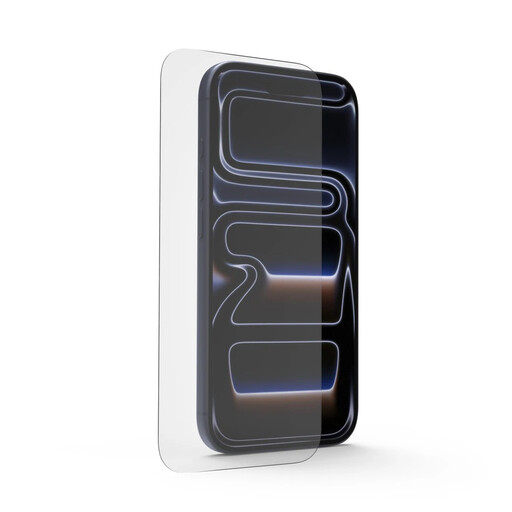
Why this product suits this profile: This screen protector combines a stated 9H hardness rating with electrostatic adhesion and a supplied EcoFrame fitting aid. It’s a good choice if you prefer a straightforward fitting process without extra adhesive.
The product details state that it’s compatible with iPhone 17 Pro and iPhone 18 Pro and has a case-friendly design. The fitting aid can help reduce the risk of misalignment.
9H tempered glass, 0.33 mm thick, ultra-clear finish, anti-fingerprint surface and electrostatic adhesion for residue-free removal.
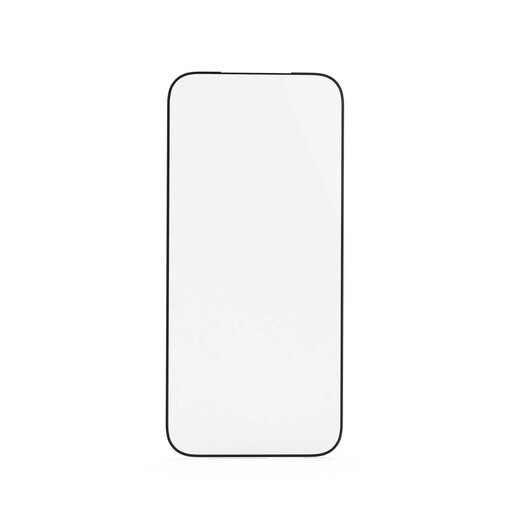
Why this product suits this profile: According to the product description, this version features D3O material, 10H hardness and an anti-reflective AR coating. It’s designed for people who want a clear view in different lighting conditions.
The product details specify the exact compatible models, a thickness of 0.33 mm, electrostatic adhesion and an alignment aid built into the packaging.
10H hardness, AR coating, anti-fingerprint surface, full-cover design and compatibility with phone cases, according to the product details.
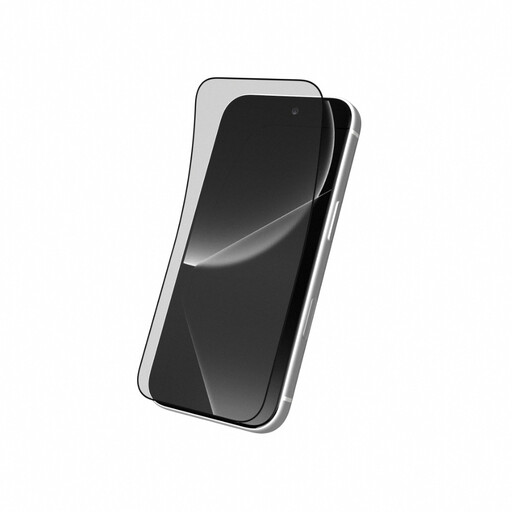
Why this product suits this profile: Its flexible combination of materials may appeal if you’re looking for an alternative to traditional glass and often use your iPhone on the go, at work or in changing environments.
The description mentions a fitting tool, high transparency and a reduced-static layer to help prevent dust from sticking. This makes alignment easier in everyday use.
Flexible material, transparent finish, scratch-resistant hardened layers and a supplied fitting aid, according to the manufacturer’s description.
We’ve put together a complete, regularly updated list of products that meet these strict selection criteria and comply fully with the safety regulations in force in the EU.
Follow these steps for the cleanest possible fit:
Don’t bend or drop tempered glass. Replace the screen protector if it cracks or develops sharp edges.
Its lifespan depends on scratches, knocks, friction in pockets and the case you use. Replace the screen protector if it cracks, develops chipped edges or starts to lose its grip. There’s no reliable way to give a fixed lifespan.
Tempered glass provides a firm, smooth surface and often comes with a hardness rating such as 9H. TPU film is more flexible and may suit certain edge shapes. The right choice depends on your model, case, preferred fitting method and the feel you want from the surface.
According to the product description, electrostatically adhering screen protectors can be removed without leaving residue. Start slowly at one corner and don’t use sharp objects. Depending on the adhesive and how long they’ve been in use, sticky screen protectors may leave different residues.