
Lieferung heute & morgen

Qualitätsgarantie

Willkommens-Angebote freischalten: KOSTENLOSE Lieferung | Bis zu 80 % RABATT | Kostenlose 30-Tage-JoyPlus-Testphase
App herunterladen
A new iPhone 17 needs protection from scratches, knocks and the damage caused by drops in everyday use. But there’s a huge choice of iPhone 17 tempered glass screen protectors, toughened glass and flexible films. Terms such as ‘9H’, ‘shatterproof’ and ‘military-grade protection’ may sound definitive, but on their own they tell you little about how well a product will perform in day-to-day use.
As Joybuy Product Recommendation Officer, I sort through the key details in product descriptions and assess them for different uses. This makes it easier to choose an iPhone 17 screen protector that suits your phone, case and personal needs.
A 9H screen protector rating generally describes the surface’s resistance to scratches under a particular test method. It doesn’t mean the glass will survive every drop without damage. Even a product advertised as ‘shatterproof tempered glass’ can crack on direct impact. The benefit is that the protector often takes the damage itself, helping to reduce the impact on the display underneath.
An iPhone 17 privacy screen protector can darken the display when viewed from the sides. That’s useful on the train, in the office or at a café. At the same time, a privacy filter can change how the screen looks from an angle and may also affect its perceived brightness. Check the stated viewing angle rather than relying on terms such as ‘anti-spy’ or ‘360° privacy’.
A screen protector may appear to fit the display but still catch on the edges of a protective case. If the case frame lifts it, dust can collect along the edges or the protector may start to peel off. A case-friendly screen protector should therefore be explicitly described as case-friendly. It also needs to be made for the exact model: iPhone 17, iPhone 17 Air and iPhone 17 Pro aren’t automatically compatible with one another.
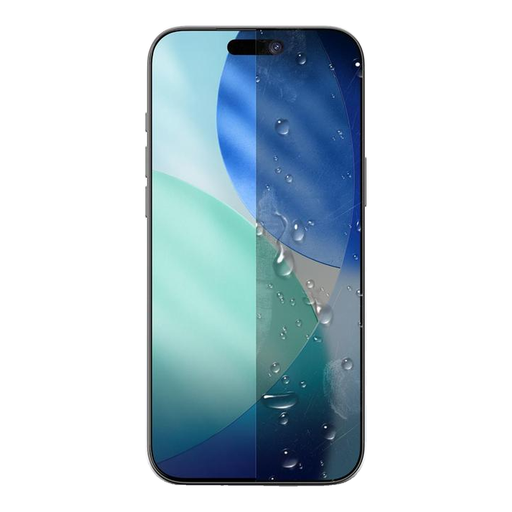
Why this product suits this user type: The 2-pack gives you a spare if the first screen protector gets damaged or you don’t manage to fit it successfully.
The product details specify 330 micrometres, 92% light transmittance, full-frame coverage and case compatibility, rather than relying solely on vague marketing claims.
Full toughened glass, 2-pack, bubble-free installation, and stated pressure and drop-test figures.
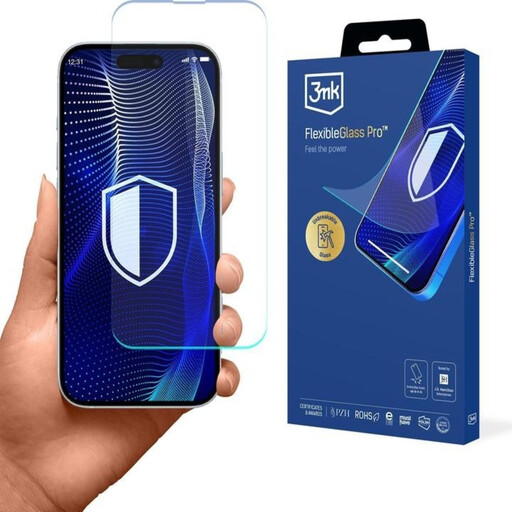
Why this product suits this user type: Hybrid glass is an option for anyone who wants a firm feel when using their phone but prefers a more flexible construction than traditional toughened glass.
Its flexible hybrid construction addresses the risk of rigid glass cracking more easily under pressure. It still can’t replace careful handling when it comes to drops.
Flexible hybrid construction, high transparency, stated resistance to microcracks and an installation kit.
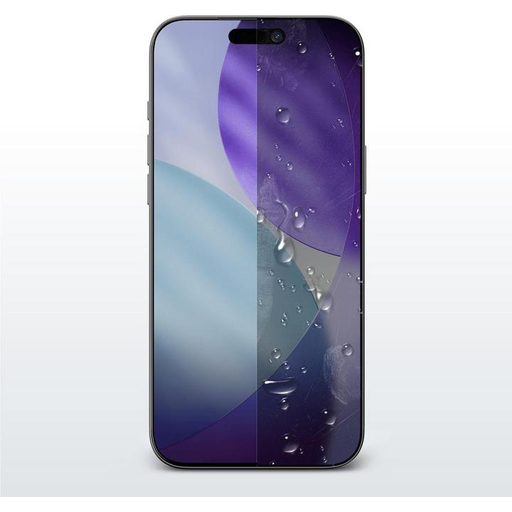
Why this product suits this user type: This privacy glass is designed for commuters, office workers and anyone who regularly uses their phone in public places.
The stated viewing angle of ±28° is more specific than a general ‘anti-spy’ claim, helping you judge how easy the screen is to read from the side.
Microlouvre technology, a 9H rating, a stated drop height of up to 1.5 metres and case compatibility.
We’ve put together a complete, regularly updated list of products that meet these strict selection criteria and the safety regulations in force across the EU.
A screen protector with a crack or chipped edge should be replaced. Sharp objects, harsh cleaning products and excessive bending can damage the coating or adhesive layer. An iPhone 17 Air screen protector or iPhone 17 Pro screen protector should only be used with the model it’s designed for.
Its lifespan depends on how you use your phone, the case edge, impacts from drops and scratches. Visible cracks, chips, lifting edges or reduced touch responsiveness are signs that it’s time for a replacement. There’s no reliable way to give a fixed lifespan that applies to every product.
Yes, as long as the product is described as a case-friendly screen protector. There should be a small gap between the edge of the glass and the case. Once fitted, the case shouldn’t press on the protector or lift it at the corners.
An iPhone 17 privacy screen protector can make it harder for people nearby to see your screen, making it useful for viewing sensitive content while you’re out and about. Before buying, consider whether reduced visibility from the sides and possible changes to brightness or reflections will suit the way you use your phone.