
Lieferung heute & morgen

Qualitätsgarantie

Willkommens-Angebote freischalten: KOSTENLOSE Lieferung | Bis zu 80 % RABATT | Kostenlose 30-Tage-JoyPlus-Testphase
App herunterladen
A new iPhone 17 or iPhone 17 Air shouldn’t go without a screen protector for long. Everyday items such as keys and grains of sand can cause scratches, as can contact with other objects in your bag or rucksack. Fingerprints, dust and prying eyes on the train are also worth bearing in mind when choosing a screen protector.
However, some common marketing claims can lead to the wrong choice when buying an iPhone 17 tempered glass screen protector. A high hardness rating, for example, doesn’t automatically mean the glass will remain undamaged after every drop. And depending on the shape of the edges, a “full-screen” design can affect compatibility with your case. The most important things to check are the exact model, the dimensions and how the protector is fitted.
A screen protector for the iPhone 17 won’t necessarily fit the iPhone 17 Air. Camera cut-outs, display edges and the dimensions of the phone can differ. Before buying, check that the product description names your exact model.
Details such as “for iPhone 17 Pro Max” don’t automatically apply to other versions either. An iPhone 17 Air tempered glass screen protector should be explicitly listed as compatible with that model.
On tempered glass, 9H usually describes a high level of scratch resistance measured using a standardised pencil hardness test. It doesn’t guarantee that the display will remain undamaged after every drop or impact. Edges, cut-outs and the quality of the fit can also affect how well the protector holds up.
An iPhone 17 9H tempered glass screen protector is therefore best suited to protecting against everyday scratches and light knocks. Replace it if you see any cracks.
An iPhone 17 privacy screen protector can limit visibility from the sides. The trade-off is that the display may look darker when viewed at an angle. This feature can be useful if you often use your phone on the train, at work or in public places. If you prefer maximum visibility from the sides for photos or sharing your screen, choose a clear screen protector instead.
A well-fitting iPhone 17 screen protector should have correctly positioned cut-outs for the speakers, sensors and front camera. A full-screen protector that extends too far over the edges may catch on a tight-fitting case. Models described as “case-friendly” leave a little space around the edges.
Before ordering, check:
Tempered glass provides a firm surface, while flexible screen protectors can adapt more easily to curved or delicate edges. An iPhone 17 full-screen tempered glass protector covers a large part of the visible display, but you should still check that it works with your case.
An oleophobic coating can help reduce the build-up of fingerprints and skin oils, but it won’t prevent all marks. Measurements such as 0.33 or 0.4 millimetres refer to the thickness of the glass and shouldn’t be confused with the total thickness, including the adhesive layer.
Dust trapped under the glass is one of the most common causes of bubbles and poor adhesion. A fitting aid makes it easier to line up the protector, but it doesn’t replace thorough cleaning. Before applying it, make sure the display is free from dust, oil and fingerprints.
With privacy glass, bear in mind that repeatedly removing and reapplying it may affect the display’s oleophobic coating. Don’t continue using glass that is damaged or cracked.
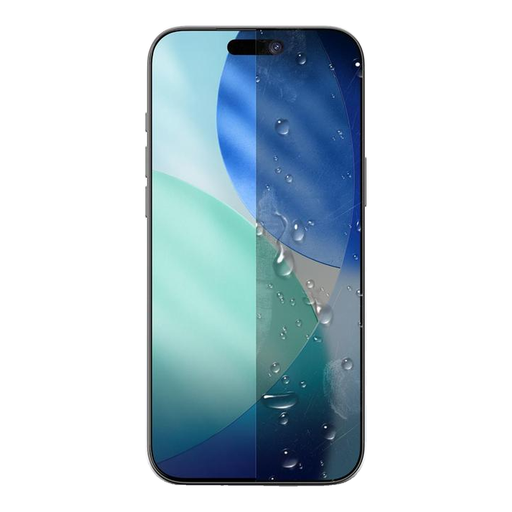
Why this product suits this user: The 2-pack includes a spare in case the first screen protector is damaged during fitting or everyday use. It’s listed as compatible with iPhone 17 and designed to provide extensive coverage.
The exact model listing reduces the risk of choosing a screen protector with the wrong cut-out. The description also specifies 330 micrometres, 92 per cent light transmission and case compatibility.
2-pack, full-frame design, stated light transmission of 92 per cent and a design intended to reduce bubbles during fitting.
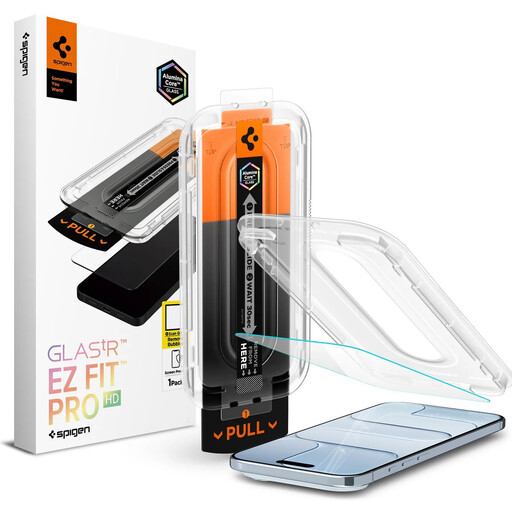
Why this product suits this user: The included EZ Fit guide helps you align the screen protector evenly. It’s a practical choice if you want a controlled fitting process without having to make repeated adjustments.
The guide helps tackle the common problem of fitting a screen protector at an angle. The product description also specifies iPhone 17 Air, 9H hardness and compatibility with most cases.
Aluminosilicate tempered glass, a 9H rating, oleophobic coating, high transparency and an EZ Fit fitting frame.
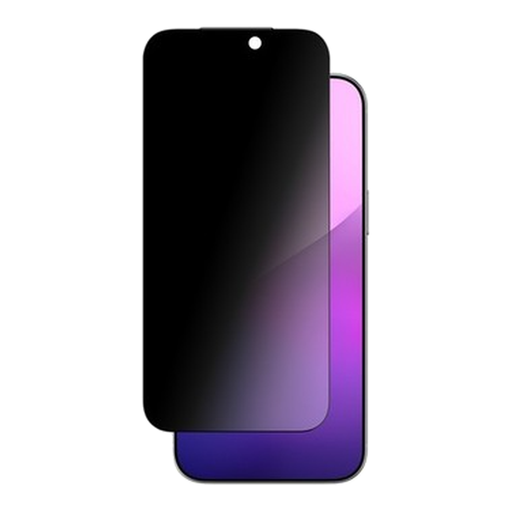
Why this product suits this user: Its stated privacy feature is useful for commuters and professionals who don’t want people nearby to see their messages or login details.
The product details state a restricted viewing angle of ±28 degrees. This gives a more specific description of the privacy feature than general anti-spy claims.
Privacy feature, anti-fingerprint surface, tempered glass and a case-friendly design, according to the product description.
We’ve put together a complete, regularly updated list of products that meet these strict selection criteria and fully comply with the safety regulations in force in the EU.
For the neatest possible fit, follow these steps:
Replace any glass that is cracked, chipped or has edges that have come noticeably loose. Its actual lifespan depends on how you use and care for it, the case you use and the impact it has to withstand. So it’s not possible to give a reliable fixed timeframe.
Not necessarily. Check each model separately, as the shape, cut-outs and display dimensions may differ. Only buy a product that specifically lists your model as compatible.
It depends on scratches, knocks, the case you use and everyday wear and tear. Replace the glass if it cracks, develops sharp edges or starts to lift. Regularly cleaning it with a soft cloth helps keep the surface clear.
A restricted viewing angle from the sides can be useful on the train or bus, in a café or at work. The display may look darker when viewed at an angle, though. If you often share content with others or prefer an unrestricted view, a clear iPhone 17 screen protector is usually a better choice.