
Lieferung heute & morgen

Qualitätsgarantie

Willkommens-Angebote freischalten: KOSTENLOSE Lieferung | Bis zu 80 % RABATT | Kostenlose 30-Tage-JoyPlus-Testphase
App herunterladen
When buying iPhone accessories, you usually want to achieve two things: keep your smartphone protected in everyday use and position it reliably for photos, selfies or videos. However, there can be a gap between product claims and actual benefits. What matters is not eye-catching colours or as many features as possible, but fit, materials, durability and the intended use.
A screen protector for the iPhone 16 will not automatically fit the iPhone 16 Pro or iPhone 16 Pro Max. The number, arrangement and size of the lenses can also vary when it comes to camera protection. Before buying, make sure the model name and screen size match your device exactly.
The same applies to magnetic accessories: an iPhone MagSafe tripod requires either a compatible MagSafe system or a suitable magnetic case. Without a secure hold, the smartphone may slip or fall when set up.
Terms such as “9H”, “shockproof” or “scratch-resistant 9H glass” do not automatically describe comprehensive protection against every fall. The 9H rating generally refers to the scratch resistance of the glass used, according to the relevant testing method. It does not replace a careful assessment of the frame, adhesive surface and fit.
With camera protection glass, it is also important to check whether the protector fully covers the lens, whether a frame makes positioning easier and whether the camera opening affects image capture.
A small mini tripod for phones saves space, but it can tip over when the arm is fully extended or the surface is uneven. That is why, when choosing a travel tripod for a smartphone, you should consider more than just its packed size. The footprint, material, maximum working height and stated load capacity are also important.
With magnetic models, check the hold before every shot. Magnetic accessories should also be kept away from pacemakers, bank cards and magnetic storage media if the manufacturer provides such warnings.
With an iPhone 16 screen protector, it should be clear whether it covers only the display or also the area around the front camera. An iPhone 16 camera protector should be designed for the relevant camera unit. For iPhone 16 Pro camera protection glass, you need to take the three lenses and the Pro model’s special arrangement into account.
With iPhone 17 Pro Lens Protection, buyers should check whether the product is explicitly designed for the iPhone 17 Pro and iPhone 17 Pro Max. A precise installation frame can make alignment easier and help prevent bubbles or crooked edges.
Tempered glass with a 9H hardness rating provides a clear technical indication of scratch resistance. An aluminium frame can also keep the lenses raised away from a surface. For the 3MK model, for example, the product information states that it provides full lens coverage with a transparent finish and includes an installation frame.
Tripods with aluminium construction are generally lightweight and easy to transport. Nevertheless, the maximum load capacity, number of leg sections and security of the joints remain important. A stated load capacity of 2 kg is sufficient for a smartphone, but it should not be exceeded.
A Bluetooth remote shutter can be useful for group photos and selfies. A smartphone gimbal also involves app compatibility, battery life and ease of operation while recording. According to the product description, the DJI Osmo Mobile 7P features three-axis stabilisation, an integrated extension rod, an integrated tripod and a stated usage time of up to 10 hours. The DJI Mimo app may be required for certain functions.
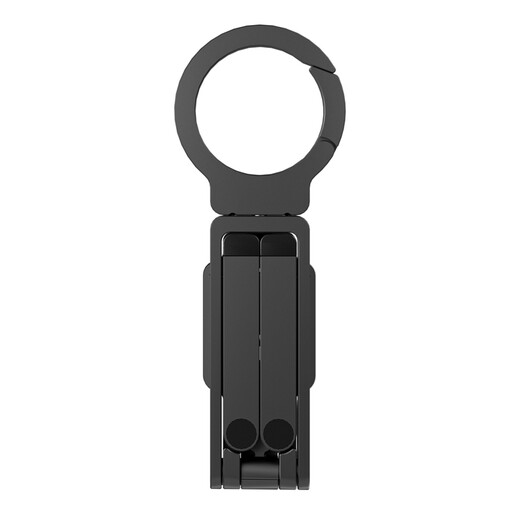
Why this product suits this profile: The foldable design combines a magnetic smartphone holder, stand function and mini selfie stick for spontaneous shots on the go.
Compatibility with iPhone models featuring MagSafe is clearly stated. Nevertheless, check that the magnet is securely attached before use.
Four functions in a compact design; suitable for desks, travel and quick selfies.
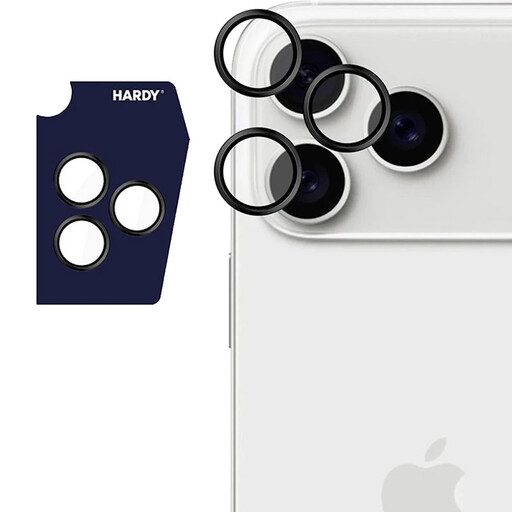
Why this product suits this profile: This set is designed for users who prefer a defined fit, transparent glass and a structured installation process.
A special alignment frame reduces the risk of an uneven installation. According to the warning, the protector should not be used if it is damaged.
9H glass; installation frame and cleaning cloths included; RoHS certification according to the product information.
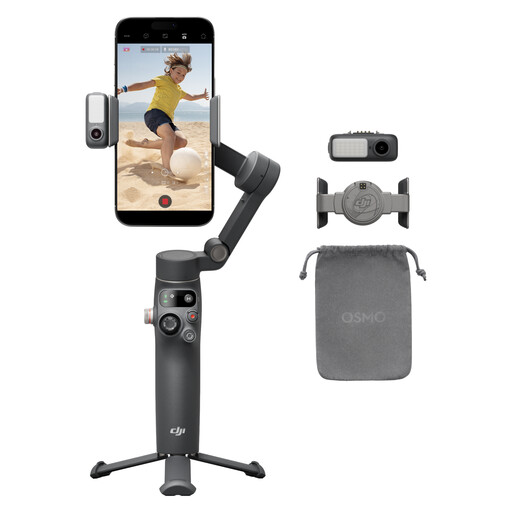
Why this product suits this profile: For vlogs, social media videos and moving shots, this smartphone gimbal provides additional stabilisation and integrated recording functions.
The functions are clearly stated: three-axis stabilisation, integrated extension rod and tripod. Check smartphone compatibility in advance for app-based functions.
Stated battery life of up to 10 hours; integrated tripod and extension rod; magnetic smartphone clamp.
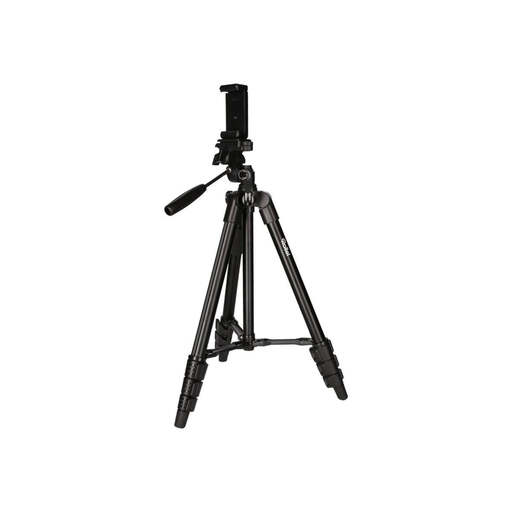
Why this product suits this profile: This travel tripod for smartphone users combines low weight with an adjustable height for landscape, architectural and group shots.
The stated maximum load capacity of 2 kg and the instructions to fully tighten the twist locks make the load limit clear.
Weight of 595 g; packed size of 39 cm; working height of up to 120 cm; Bluetooth remote shutter with a stated range of up to 10 m.
We have put together a complete, regularly updated list of products that fully meet these strict selection criteria and the safety regulations applicable in the EU.
A suitable protector must be explicitly listed as being for the iPhone 16 or iPhone 16 Plus. Models for the iPhone 16 Pro or Pro Max have different device geometry. Details such as 9H hardness, anti-reflection, easy installation and case compatibility can help with your choice, but they do not replace checking the model.
That depends on how you use it. If you often place your iPhone camera-side down on tables or stone surfaces, or in bags with keys, you may want to consider additional protection. Precise cut-outs, secure adhesion and suitability for the specific model are essential. If visible cracks appear, remove and replace the camera protector.
A selfie stick with tripod is suitable for simple self-portraits, group photos and stationary shots. A gimbal is more useful if you want smoother camera movement while walking or panning. However, it takes up more space, requires a battery and may need a compatible app. Your choice should therefore be based on what you want to record, rather than simply the number of features.