
Lieferung heute & morgen

Qualitätsgarantie

Willkommens-Angebote freischalten: KOSTENLOSE Lieferung | Bis zu 80 % RABATT | Kostenlose 30-Tage-JoyPlus-Testphase
App herunterladen
A new iPhone deserves a case that suits both the specific model and your day-to-day needs. At first glance, many iPhone cases look much the same: slim silicone cases, shock-resistant iPhone cases, clear backs or integrated magnetic rings. The differences become clear when you look at the fit, materials, grip, camera cut-out and charging features.
If you choose based only on colour or price, you could easily miss important details. The following criteria will help you choose the right iPhone case for iPhone 16 and iPhone 17 models, including Pro and Pro Max versions.
A case for the iPhone 16 won’t automatically fit the iPhone 16 Pro or iPhone 16 Pro Max. The camera module, dimensions, button positions and cut-outs may differ. Even within the same model family, the standard, Plus, Pro and Pro Max versions are not the same.
Before buying, make sure at least the following details match:
The term shock-resistant iPhone case doesn’t automatically promise a specific level of protection. More useful indicators include reinforced corners, a raised edge around the display and camera, or a multi-layer construction. Any stated drop heights or testing standards should be treated as the manufacturer’s claims, not a guarantee that the case will protect your phone from every fall.
A slim case can be comfortable for everyday use, but may offer less protection around the edges and corners than a more heavily padded model. The key is to find the right balance between thickness, weight and level of protection.
An iPhone case with MagSafe should have an integrated magnetic ring or be clearly labelled as MagSafe-compatible. A standard silicone case may support wireless charging without holding MagSafe accessories securely or aligning them correctly.
If you often use magnetic chargers, mounts or card holders, look for the following:
A silicone case for iPhone usually feels soft and grippy. Models with a microfibre lining can help protect the back of your phone from friction caused by dust particles. Liquid silicone is often paired with a matte finish, which can make fingerprints less noticeable.
TPU, or thermoplastic polyurethane, is often used for flexible frames and shock-absorbing edges. Polycarbonate, on the other hand, is suited to firmer backs. Multi-layer cases combine these qualities, but can be a little bulkier.
A raised edge around the display and camera can help prevent these surfaces from resting directly on a flat surface when you put your phone down. It’s no substitute for a screen protector and won’t prevent every kind of damage, but it is a useful design feature.
A soft lining, such as microfibre, reduces direct contact between the case and the back of your phone. Before fitting the case, make sure both the phone and case are free of sand, dust and other small particles.
A non-slip phone case can make your phone easier to handle when you’re out and about. Textured TPU surfaces and matte silicone finishes often provide more grip than smooth plastic backs. However, very soft finishes can attract dust or show signs of wear more quickly when they come into contact with rough objects.
A soft, slightly damp, lint-free cloth is usually all you need to clean your case. Follow the manufacturer’s instructions. Several of the products featured below specifically advise against using alcohol-based or abrasive cleaners.
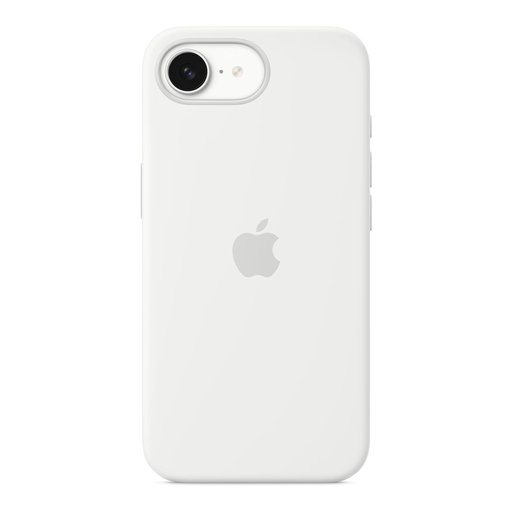
Why this product suits this profile: This close-fitting silicone case is designed for the iPhone 16e, with a slim profile and soft finish.
The compatible model is clearly specified. The microfibre lining reduces direct contact between the phone and the case.
55% recycled silicone content according to the product details, a soft microfibre lining and precise cut-outs.
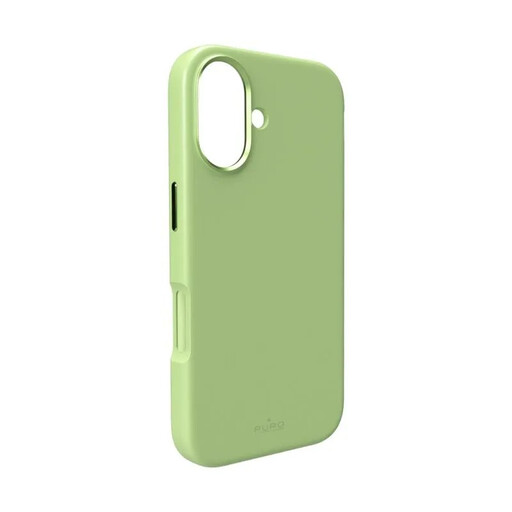
Why this product suits this profile: A good choice if you want a soft finish, built-in MagSafe functionality and clearly defined controls.
The built-in magnetic ring is clearly specified. It’s paired with raised edges around the display and camera.
Liquid silicone exterior, polycarbonate inner shell, microfibre lining, aluminium buttons and wireless charging, according to the product description.
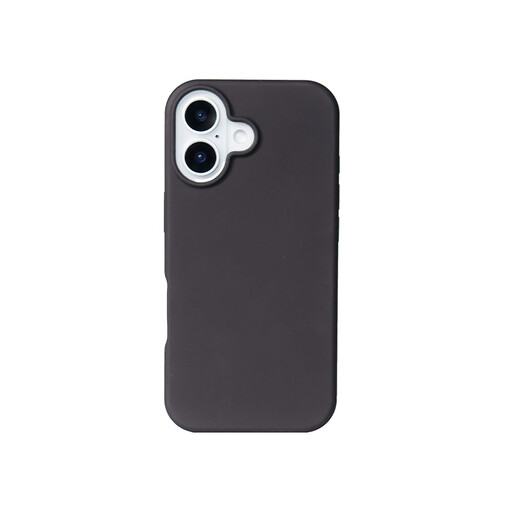
Why this product suits this profile: For frequent everyday use, with recycled materials, grip and compatibility with magnetic charging in mind.
The product description specifies the material’s origin, GRS certification and RoHS testing. This makes it easier to assess its sustainability claims.
Recycled silicone according to the product details, a matte non-slip finish, a lined interior and a raised camera edge.
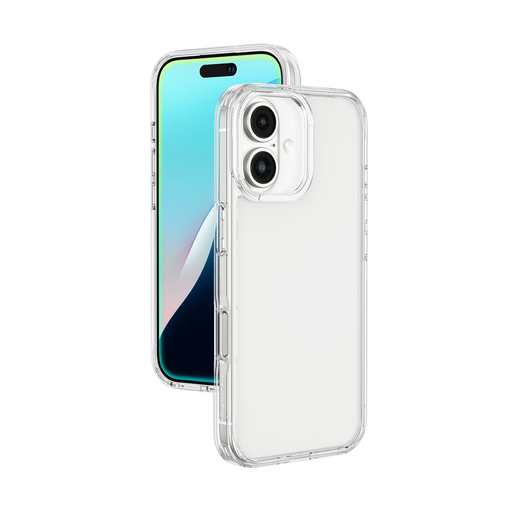
Why this product suits this profile: The clear back shows off your phone’s design, paired with a textured grip area.
The design features a TPU frame, raised edges and a stated drop height of up to 2 metres, according to the product details.
Clear polycarbonate back, TPU frame, textured surface and precise cut-outs.
We’ve put together a complete, regularly updated list of products that meet these strict selection criteria and the safety regulations in force across the EU.
No. An iPhone case is usually made for a specific model variant. The iPhone 16, iPhone 16 Plus, iPhone 16 Pro, iPhone 17 and Pro Max models may have different dimensions, camera modules and button positions. Check the full model name before buying.
Its lifespan depends on how you use and clean it, how much sunlight it’s exposed to and the level of physical wear and tear. Replace a case if it’s torn, permanently misshapen, badly stretched or damaged at the corners. It’s also worth replacing one if there are visible cracks in the camera frame, as these can affect the original fit.
It depends on the case’s design. Many models support wireless charging, while an iPhone case with MagSafe is also designed for magnetic alignment and accessories. Thick cases, card holders or incorrectly positioned magnetic rings may interfere with charging. So check the details on MagSafe, Qi2 or Qi compatibility before buying.