
Lieferung heute & morgen

Qualitätsgarantie

Willkommens-Angebote freischalten: KOSTENLOSE Lieferung | Bis zu 80 % RABATT | Kostenlose 30-Tage-JoyPlus-Testphase
App herunterladen
An iPhone case should protect your phone in everyday use without making it unnecessarily heavy or awkward to hold. At the same time, the iPhone 15, iPhone 16, iPhone 16 Plus, iPhone 16 Pro, iPhone 16 Pro Max, iPhone 17, iPhone 17 Pro and iPhone 17 Pro Max differ in their dimensions, camera modules and button layouts. So a case that looks similar won’t necessarily fit every model.
The term shockproof iPhone case doesn’t automatically tell you how much protection a case offers. More useful details include the design, such as reinforced corners, raised edges or stated drop-test heights. These claims relate to specific conditions and don’t replace careful handling.
According to Spigen’s product information, the Spigen Liquid Air Case for certain models features Air Cushion Technology in the corners. For the iPhone 16 Pro Max version, Spigen also cites drop tests involving 26 drops from 1.2 metres. This should be understood as information provided by the manufacturer, not a guarantee against damage from every drop.
A case can support wireless charging without having an integrated magnetic ring. According to its product information, the Spigen Ultra Hybrid for iPhone 15 is suitable for wireless charging, but isn’t MagSafe-compatible. This means magnetic alignment and attaching MagSafe accessories aren’t automatically supported.
If you regularly use a MagSafe charging puck, a magnetic car mount or a card holder, make sure you specifically look for MagSafe compatibility.
A slim iPhone case can feel comfortable in your hand, but depending on its design, it may offer less material around the sides or corners. Conversely, a very rugged case can make your phone noticeably wider. The key is to choose a level of protection, grip and practicality that suits how you use your phone.
Check the full model name before you buy. An iPhone 16 case won’t necessarily fit the iPhone 16 Pro or iPhone 16 Plus. Differences include:
With newer phones, make sure you distinguish between the iPhone 17, iPhone 17 Pro and iPhone 17 Pro Max. The product page should explicitly name your model.
A TPU phone case is made from thermoplastic polyurethane. This flexible material is usually easy to fit and can be paired with a textured finish for extra grip. According to the product information, the Spigen Liquid Air models use a TPU or plastic design with a textured finish.
A silicone case often feels soft and grippy. According to the product information, the PURE Icon Mag Pro Liquid Silicone Case for iPhone 17 has a liquid silicone outer layer, a polycarbonate inner shell and a microfibre lining. This multi-layer construction is different from that of a simple, thin case.
Hybrid cases usually combine a flexible bumper with a rigid back. According to its product information, the transparent Spigen Ultra Hybrid for iPhone 15 is made from TPU and polycarbonate. It’s a good option if you want to show off your phone’s design.
A non-slip iPhone case should have a textured or matte finish on the sides or back. Smooth materials can be more prone to slipping from dry or damp hands. Also look for:
Camera protection won’t prevent every kind of damage, but a well-designed case can reduce direct contact between the lens and flat surfaces.
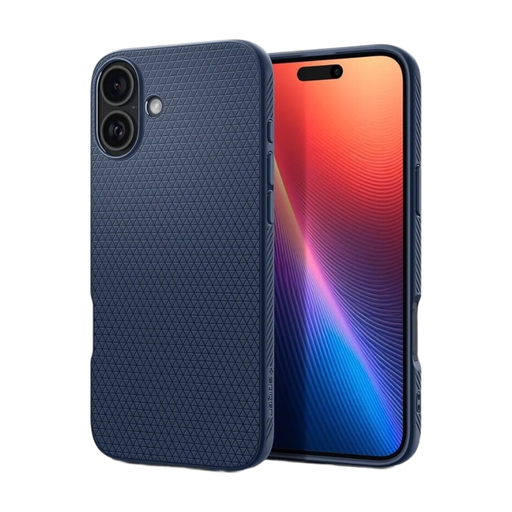
Why it suits this profile: Its flexible TPU construction, slim profile and textured finish are designed for everyday use without adding unnecessary bulk.
The textured back and raised edges are described in more specific terms than a blanket claim about protection.
TPU material, Air Cushion Technology according to Spigen’s product information, and precise cut-outs.
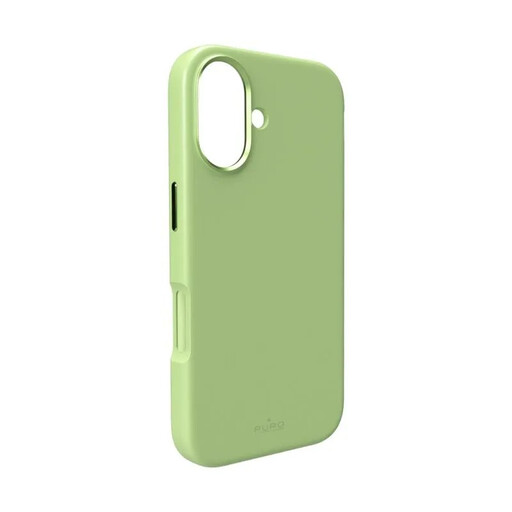
Why it suits this profile: The combination of liquid silicone, a polycarbonate inner shell, microfibre lining, MagSafe ring and aluminium buttons will appeal to users who value premium feel and features.
MagSafe compatibility and camera protection are listed as specific features, rather than being conflated with wireless charging.
Integrated magnetic ring, raised edges around the screen and camera, and wireless charging according to the product information.
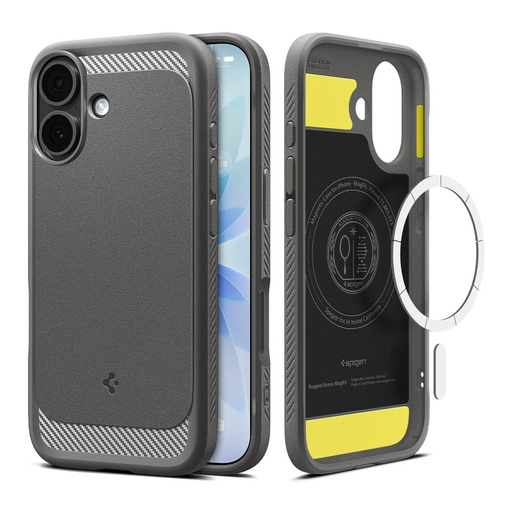
Why it suits this profile: The textured finish, raised edges and MagSafe compatibility make it well suited to frequent use, commuting and using accessories.
The product information explicitly mentions MagSafe, an anti-slip finish and raised edges. This makes it easier to compare with basic cases.
MagSafe support, a grippy texture and reinforced construction according to the product description.
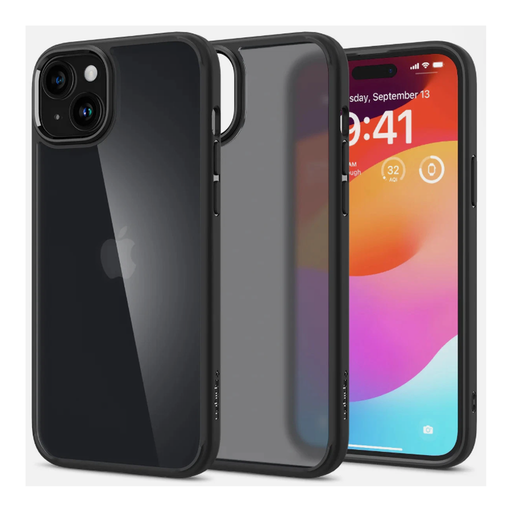
Why it suits this profile: The transparent back shows off your phone’s colour and, according to the product information, combines TPU, polycarbonate and reinforced corners.
The product description clearly distinguishes wireless charging from MagSafe, helping you assess the features realistically.
Transparent design, TPU and polycarbonate construction, and wireless charging according to the product information.
We’ve put together a complete, regularly updated list of products that meet these strict selection criteria and fully comply with the safety regulations in force in the EU.
Even a well-chosen iPhone case needs regular checks. Remove your phone from the case occasionally and wipe dust from the inside. Fine particles can cause scratches over time. Use a soft cloth and follow the manufacturer’s care instructions.
It’s worth replacing your case if:
None of the cases mentioned here makes your iPhone waterproof or immune to serious damage. Protection claims apply only under the product conditions described.
Look for reinforced corners, flexible sides and raised edges. Manufacturer drop-test claims can help you compare cases, but they don’t guarantee protection from every drop.
Generally, yes, as long as the case is explicitly suitable for wireless charging. For magnetic attachment and correct alignment, you’ll also need a case that specifically states it offers MagSafe compatibility. Check the details on the relevant product page.
There’s no set replacement period that applies to every material. What matters is visible damage, a looser fit and the amount of wear from everyday use. If the case is cracked, misshapen or loose around the corners, replace it regardless of how old it is.