
Lieferung heute & morgen

Qualitätsgarantie

Willkommens-Angebote freischalten: KOSTENLOSE Lieferung | Bis zu 80 % RABATT | Kostenlose 30-Tage-JoyPlus-Testphase
App herunterladen
An iPhone case should protect your phone day to day without getting in the way of the ports, buttons or wireless charging. Many disappointing purchases aren’t down to the price, but to vague model details, exaggerated protection claims or limited compatibility with MagSafe accessories.
An iPhone 15 case won’t necessarily fit an iPhone 16. Even within the same range, the standard, Pro and Pro Max versions differ in size, camera layout and button placement. It’s especially important to check the exact model name, such as iPhone 16 Pro, iPhone 16 Pro Max, iPhone 17 Pro or iPhone 17 Pro Max.
According to the product details, the iPhone 17 Air also has a distinctive, particularly slim design. A case made for another iPhone 17 model may therefore be unsuitable, even if the product photos look similar.
A clear iPhone case may support Qi wireless charging without having a magnetic connection. If you want to use a MagSafe charger, magnetic power bank or card holder, look specifically for built-in magnets or a MagSafe-compatible label.
It’s also worth checking the material thickness when choosing an iPhone case for wireless charging. Very thick backs, metal parts or poorly positioned magnetic rings can affect the charging connection.
A slim iPhone case adds little bulk and usually feels comfortable to hold. But there are other details to consider when it comes to protection:
No iPhone case can make a phone completely resistant to every drop, liquid or extreme condition. Claims such as “military-grade protection” should always be considered alongside the stated test method and drop height.
Check your exact iPhone model before buying. A well-fitting case shouldn’t cover the camera, speakers, charging port or controls. The iPhone 16 and iPhone 17 may have additional controls that require a precise cut-out.
A combination of polycarbonate (PC) and thermoplastic polyurethane (TPU) pairs a firmer back with a flexible frame. TPU can help absorb impacts around the edges, while PC helps the back keep its shape. Liquid silicone often has a soft, grippy finish, but it’s still worth considering how to care for the material and how well it resists discolouration.
An iPhone case with MagSafe should have a correctly aligned magnetic ring. If you don’t need magnetic attachment, a Qi-compatible design may be all you need, depending on your phone and charger. Follow the relevant manufacturer’s safety advice when using cases with strong magnets. Keep magnetic products away from sensitive medical devices and magnetic-stripe cards in particular.
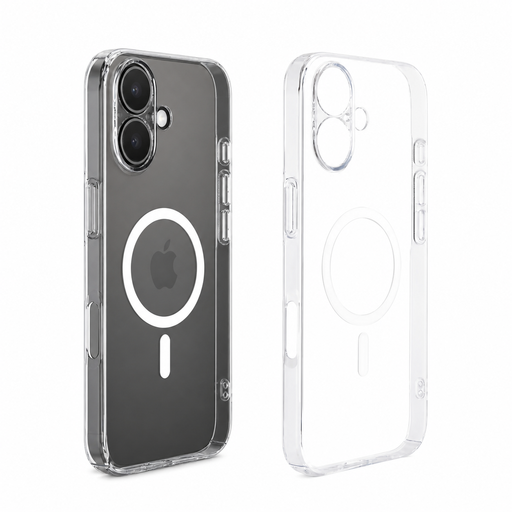
Why it suits this type of user: The clear design keeps your phone’s original look while combining wireless charging with a magnetic feature for the iPhone 17.
The product name specifies iPhone 17, PC and magnetic wireless charging, making it easy to check that it has the features you’re looking for before you buy.
Clear PC construction, magnetic alignment and support for wireless charging, as stated in the product name.
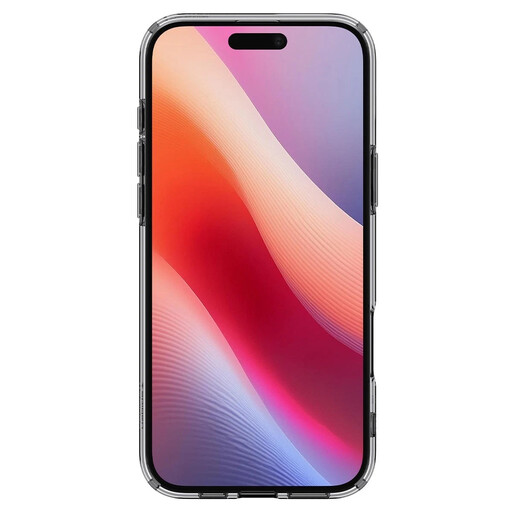
Why it suits this type of user: Its hybrid design is for anyone looking to combine a clear finish, raised edges and MagSafe compatibility in one case.
Compatibility is specified for the iPhone 16 Pro Max. MagSafe and wireless charging are listed as product features.
PC back, TPU frame, Air Cushion Technology and an integrated magnetic ring, according to the product details.
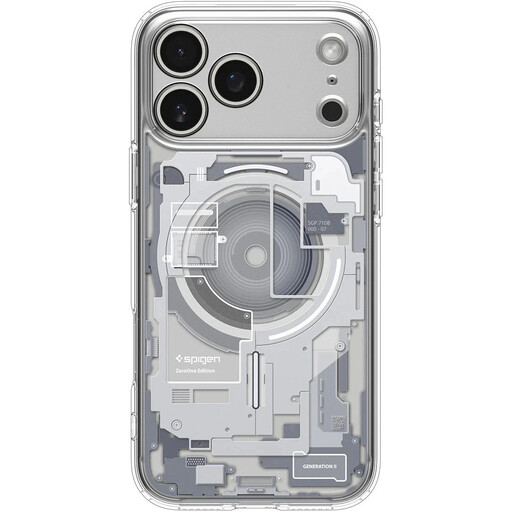
Why it suits this type of user: For frequent charging and regular use of MagSafe accessories, this model has an integrated magnetic ring and a clear hybrid design.
The case is specifically listed for the iPhone 17 Pro and combines MagSafe functionality with raised edges and reinforced corners.
TPU and PC construction, Air Cushion Technology, and support for MagSafe accessories and wireless charging, according to the manufacturer.
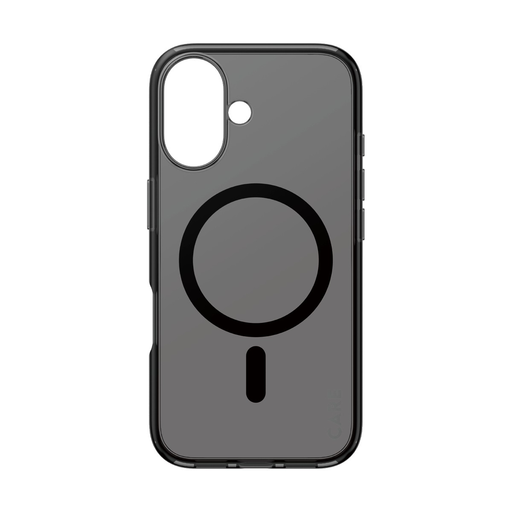
Why it suits this type of user: Its translucent finish, precise cut-outs and MagSafe compatibility make it a good fit for everyday iPhone 16 use, with frequent charging and accessory changes.
The case lists the iPhone 16 as a compatible model and specifies MagSafe and wireless charging without needing to remove the case.
Translucent design, precise cut-outs, and stated MagSafe, scratch-protection and impact-protection features.
We’ve put together a complete, regularly updated list of products that meet these strict selection criteria and fully comply with the safety regulations in force in the EU.
The model name and version are what matter – for example, iPhone 16, iPhone 16 Pro or iPhone 17 Pro Max. Also check the generation and camera layout. The case should be specifically listed for that exact version.
Many models support wireless charging, but that doesn’t automatically mean they’re MagSafe-compatible. For magnetic attachment, you’ll need a case with a built-in magnetic ring that’s correctly aligned.
How long it lasts depends on the material, how heavily it’s used, heat, UV exposure and care. Replace a case if it becomes cracked, misshapen or no longer fits properly. With clear cases, use and environmental factors can also change their appearance.