
Lieferung heute & morgen

Qualitätsgarantie

Willkommens-Angebote freischalten: KOSTENLOSE Lieferung | Bis zu 80 % RABATT | Kostenlose 30-Tage-JoyPlus-Testphase
App herunterladen
An iPhone case should protect your smartphone from scratches, knocks and everyday wear without getting in the way of using or charging it. Options range from slim TPU cases and silicone cases to models with a MagSafe ring and reinforced camera protection. However, many buyers only discover problems after making a purchase: the case doesn’t fit properly, slips out of their hand or interferes with wireless charging.
This buying guide explains which details really matter when choosing an iPhone protective case, and which product features are worth checking more carefully.
A phone case for iPhone 16 won’t automatically fit the iPhone 16 Pro or iPhone 16 Plus. Differences in dimensions, camera layout, buttons and cut-outs can mean the case doesn’t fit securely.
Before buying, check the full compatibility information, for example:
The exact model version matters when choosing an Apple iPhone case, too. A case that appears to fit because it has a similar screen size may still not line up properly at the sides or around the camera module.
Terms such as ‘shockproof’ or ‘military-grade protection’ don’t automatically tell you how well a case will perform in everyday use. More helpful product details include reinforced corners, raised edges or a documented drop test.
According to the manufacturer, the Spigen Liquid Air for various iPhone models features Air Cushion Technology and a textured TPU surface. These are specific design features you can check. However, they don’t make your smartphone indestructible. The level of protection will also depend on factors such as the drop height, the surface it lands on and the angle of impact.
A case can support wireless charging without having a built-in magnetic ring. If you use a MagSafe charger, a magnetic mount or other MagSafe accessories, look specifically for MagSafe compatibility.
Some TPU or silicone cases allow Qi or Qi2 charging through the material. However, without a magnetic ring, the magnetic hold may be weaker or may not work at all.
A TPU iPhone case is made from thermoplastic polyurethane. The material is flexible, usually easy to fit and can provide a non-slip grip for everyday use. Textured surfaces can also help you hold your smartphone more securely.
A silicone case for iPhone often feels soft and grippy. The inner lining and how well the case holds its shape are important, too. A microfibre lining can help protect the back of your smartphone from friction caused by dust particles.
Multi-layer models might combine a silicone outer layer, a polycarbonate inner shell and a lining. This construction can balance protection with ease of use, though some designs are a little bulkier.
An iPhone case with camera protection should keep clear of the lens while providing a slightly raised edge around the camera module. A raised screen edge is also useful when you place your phone face down on a flat surface.
The edges shouldn’t make gesture controls or fitting screen protectors unnecessarily difficult. Precisely positioned cut-outs for the speakers, charging port and buttons are important, too.
A slim iPhone case adds less bulk and is easier to slip into a pocket or a car mount. However, very thin models don’t necessarily offer the same corner protection as more heavily padded designs. Think about the balance you want between a compact feel, grip and the level of protection you need.
The following features are also worth considering for everyday use in Germany:
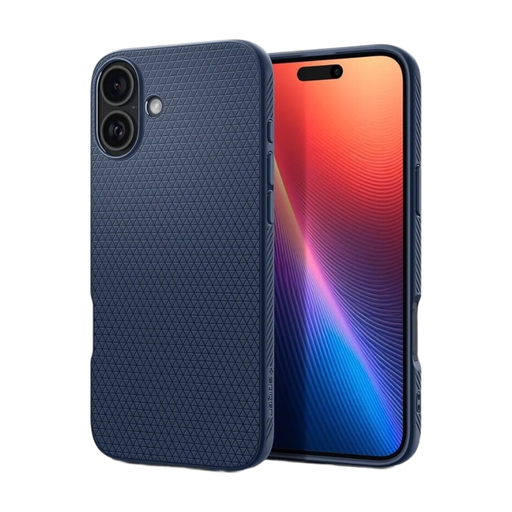
Why this product suits you: The flexible TPU construction, slim profile and textured surface make this a good everyday phone case for anyone looking for an iPhone 16 case.
It’s specifically listed for iPhone 16. Air Cushion Technology and raised edges are stated as specific features, rather than relying on a vague ‘shockproof’ claim.
According to the manufacturer, the back and sides are made from flexible TPU. The textured pattern helps with grip, and wireless charging support is listed.
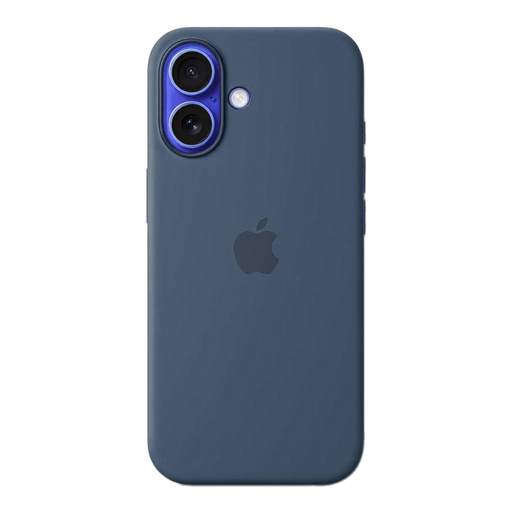
Why this product suits you: This model is for anyone looking to combine MagSafe, a soft-touch finish and a precise fit for iPhone 16.
The built-in magnets are clearly specified. This makes it easier to choose the case for MagSafe and Qi2 charging accessories, rather than assuming that general wireless charging support is enough.
According to the product description, the silicone case has a microfibre lining, is MagSafe-compatible and contains 55 % recycled silicone.
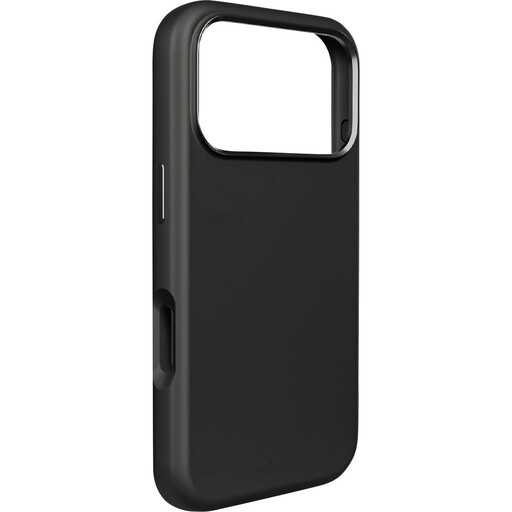
Why this product suits you: This model combines MagSafe, camera protection and a multi-layer construction for people who use their smartphone frequently on the go or at work.
The product description specifies a built-in magnetic ring and raised edges around the camera and display. This makes key features for charging accessories and protecting surfaces clear.
According to the manufacturer, the outer layer is made from liquid silicone, the inner shell from polycarbonate and the lining from microfibre. Aluminium buttons and camera protection are also listed.
We’ve put together a complete, regularly updated list of products that meet these strict selection criteria and fully comply with the safety regulations in force in the EU.
Look for a precise fit, flexible or shock-absorbing materials, raised edges and protection for the camera module. A shock-resistant iPhone case can reduce the risk of damage from everyday drops, but it won’t make your smartphone immune to hard impacts.
Its lifespan depends on use, heat, UV exposure, friction and cleaning. Replace the case if it develops cracks, permanent warping, loose corners or a noticeably less grippy surface. A soft, slightly damp cloth is usually all you need to clean it. Alcohol-based or abrasive cleaning products may damage the material.
No. Thin cases may allow Qi charging, but material thickness, metal parts and the position of the magnetic ring can all affect how well it works. If you use MagSafe accessories, check that the case is specifically described as ‘MagSafe-compatible’. If you’re unsure, check the technical specifications for the iPhone case and charger you’re considering.
The same applies to Android users: a Samsung Galaxy S25 case must be designed specifically for that model. As with iPhone cases, compare the material, camera cut-out, grip and charging features before you buy.