
Lieferung heute & morgen

Qualitätsgarantie

Willkommens-Angebote freischalten: KOSTENLOSE Lieferung | Bis zu 80 % RABATT | Kostenlose 30-Tage-JoyPlus-Testphase
App herunterladen
An iPhone case should protect your phone in everyday use without unnecessarily affecting usability, wireless charging or its slim design. Many products look similar at first glance, but can differ significantly in model fit, material, magnetic ring and edge protection. If you choose based solely on colour or price, you may end up buying twice.
A case for the iPhone 16 will not automatically fit an iPhone 16 Plus or iPhone 16 Pro Max. There are also differences between the iPhone 17, iPhone 17 Pro Max and iPhone 17 Air in terms of dimensions, button positions and camera cut-outs. A case intended for the wrong model can put pressure on the buttons or partially cover the camera area.
Before buying, therefore, check the exact model name. Details such as ‘for iPhone 16’ do not mean the same as ‘for iPhone 16 Plus’ or ‘for iPhone 16 Pro Max’.
Terms such as ‘shockproof’, ‘Heavy Duty’ or ‘military-grade protection’ do not always refer to a consistent testing standard. The key factors are specific design features: reinforced corners, raised edges around the display and camera, and a combination of flexible and rigid material layers.
A shockproof iPhone case can reduce the risk of scratches and damage from everyday drops. However, it cannot guarantee complete protection against every impact. Cracks, stretched edges or a poor fit can further reduce its protective performance.
Wireless charging via Qi or Qi2 does not automatically mean the same as an iPhone case with MagSafe. To use MagSafe accessories, the case needs a suitable magnetic ring with adequate alignment and holding strength. Some thin cases support charging, while magnetic mounts may only hold to a limited extent.
Look for explicitly stated MagSafe compatibility and, after fitting the case, check that the charger and accessories stay securely in place.
The case should be specified for your exact device, for example as an iPhone 16 case, iPhone 17 case, iPhone 16 Pro Max case or iPhone 16 Plus case. The same applies to the iPhone 17 Pro Max. Also check:
A raised edge protects against direct contact with a flat surface. However, it is not a replacement for a separate screen protector or lens protector.
A silicone case for iPhone usually feels soft and provides a grippy outer surface. The Apple Silicone Case for the iPhone 16 combines a silicone exterior with a microfibre lining. According to the product description, it is made from 55% recycled silicone.
TPU stands for thermoplastic polyurethane. A TPU iPhone case is flexible, usually easy to fit and can feature additional reinforcement around the corners. Models such as the Spigen Liquid Air use TPU, textured surfaces and raised edges.
Polycarbonate is dimensionally stable and is often used for transparent backs. A transparent iPhone case made from polycarbonate or a hybrid construction shows off the colour of your device, but may discolour over time due to UV light, heat or unsuitable cleaning products.
Aramid fibres allow for very slim designs. The AmazingThing Titan Max for the iPhone 16 Pro Max combines 600D aramid fibre with TPU; a version with 1500D aramid fibres is specified for the iPhone 16. Such details should be understood as a description of the material, not as a blanket guarantee against every drop.
A slim iPhone case adds very little bulk and remains comfortable in your trouser pocket. However, it usually provides less distance between the device and the surface beneath it than a more heavily padded protective case. If you often use your smartphone on building sites, while commuting or during outdoor activities, you should give greater importance to reinforced corners and a textured back.
An integrated stand can be useful at a desk, for video calls or for streaming. The Spigen Tough Armor for the iPhone 16 features an integrated kickstand. It should be unfolded carefully and not subjected to excessive sideways pressure.
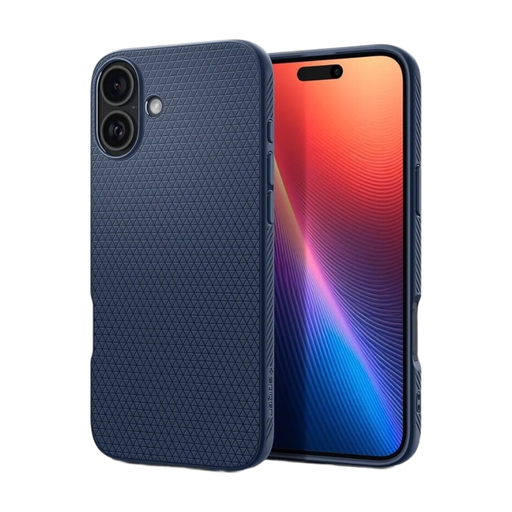
Why this product suits this profile: The flexible TPU construction, low weight and textured surface are ideal for anyone looking for a practical everyday case without unnecessary bulk.
The product details specify the compatible model, Air-Cushion corners and raised edges for the display and camera, rather than relying only on general claims about protection.
TPU material, a textured grip, slim design and raised edges; according to the product details, it is suitable for wireless charging.
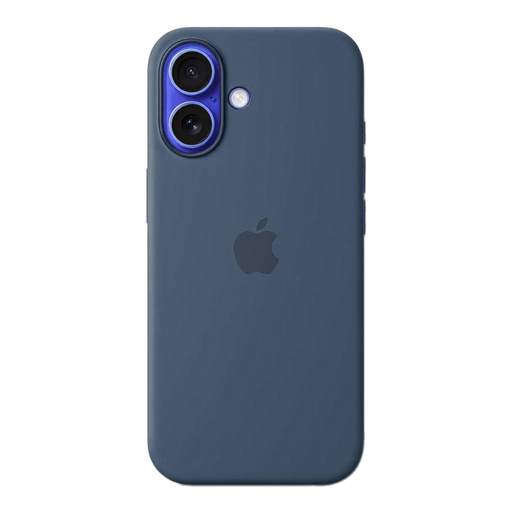
Why this product suits this profile: Ideal for iPhone 16 owners who want to combine a brand-specific fit, a soft finish and MagSafe support.
Compatibility with the iPhone 16 and support for MagSafe, Qi and Qi2 chargers are explicitly stated.
55% recycled silicone according to the product description, a microfibre lining and integrated magnets; the design accommodates the Camera Control.
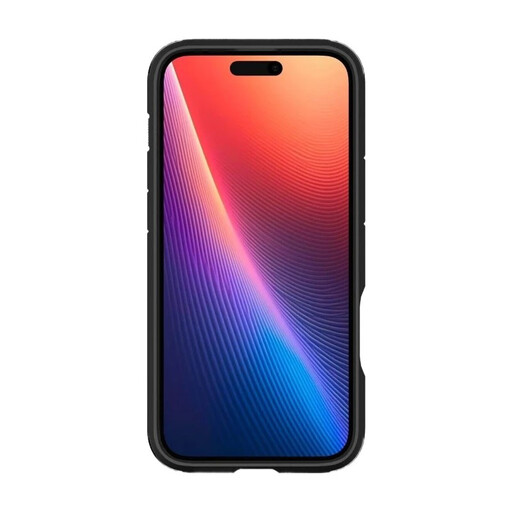
Why this product suits this profile: The dual-layer construction made from TPU and polycarbonate, together with the integrated stand, is ideal for people who often use their device on the go or for hands-free content.
The reinforced corners and raised edges are described in specific terms. The lack of water resistance is also clearly stated.
TPU and polycarbonate layers, a magnet for wireless charging, a kickstand, and protective edges around the display and camera.
We have put together a complete, regularly updated list of products that fully meet these strict selection criteria and the safety regulations applicable in the EU.
Before fitting the case, clean your smartphone and the inside of the case with a soft, dry cloth. Dust or sand trapped between the device and case can cause fine scratches. Remove the case occasionally to check for moisture and dirt.
Service life depends on the material, usage and environment. Replace the iPhone case if it becomes cracked, misshapen or loose, or if the edges no longer extend above the display and camera. TPU and transparent materials should not be exposed to intense heat, direct sunlight or harsh cleaning products for extended periods.
Look for reinforced corners, flexible shock absorption and raised edges. A combination of TPU and polycarbonate, or an aramid-fibre construction, can meet different requirements. Complete protection against damage from drops cannot be guaranteed.
No. Wireless charging may work with some cases, while MagSafe magnets may be missing or accessories may not hold securely enough. Choose a case with explicitly stated MagSafe compatibility, and keep the contact surfaces free from dust.
Replacement is advisable if there are cracks, stretched edges, deformation, or restricted access to the buttons and ports. Even a case with no visible damage should be checked if it no longer fits securely or the smartphone slips out easily.