
Lieferung heute & morgen

Qualitätsgarantie

Willkommens-Angebote freischalten: KOSTENLOSE Lieferung | Bis zu 80 % RABATT | Kostenlose 30-Tage-JoyPlus-Testphase
App herunterladen
A damaged smartphone screen can lead to expensive repairs. A tempered glass screen protector helps reduce the risk of scratches, scuffs and minor impacts during everyday use. However, not every screen protector is suitable for every device. Many disappointing purchases come down to vague model information, exaggerated claims about toughness or fitting the protector in a way that traps dust and air bubbles underneath.
This buying guide explains which technical details really matter and which screen protector is best suited to different uses.
A screen protector for the iPhone 17 Pro will not necessarily fit the iPhone 17 Pro Max or iPhone 17 Air. Samsung models such as the Galaxy A13, A23, A23 5G and M13 can also differ in their dimensions, camera cut-outs and screen edges, despite having similar-shaped cases.
Before buying, check:
The 9H scratch-resistant rating refers to a widely used classification of glass surface hardness. It does not mean your smartphone will remain undamaged after every drop. Even a screen protector marketed as shatterproof can crack under heavy impact. Its benefit is that the protective layer can absorb some everyday scratches and minor impacts.
Replace the tempered glass screen protector if it develops visible cracks. Damaged glass can form sharp edges and usually no longer sticks securely.
A privacy screen protector limits the viewing angle from the sides. This can be useful on the train, Tube or in the office. However, the screen may look darker when viewed from an angle. If you often edit photos, watch videos or share your tablet with other people, an HD-clear screen protector is often a better choice.
Labels such as ‘anti-blue-light’ should not be taken to imply medical or therapeutic benefits. What matters are the specific product details on transparency, coating and viewing angle.
A screen protector designed to fit your device should have precise cut-outs for the camera, speaker and sensors. On screens with curved or rounded edges, a 2.5D design can improve edge coverage. At the same time, the glass should not extend so far over the edge that a phone case lifts it.
The case-friendly label is particularly relevant if you use a protective case. Even so, check the measurements and product description against your case.
Thinner glass can help with touchscreen responsiveness and fit. Available products may list thicknesses such as 0,26 mm, 0,33 mm or 0,58 mm. However, thickness alone says little about how well a screen protector will perform in everyday use.
Also look for:
An anti-fingerprint coating will not prevent marks altogether, but it can make fingerprints easier to remove.
A bubble-free fit depends not only on the screen protector but also on how well you prepare the screen. Clean it in an environment with as little dust as possible, then use a dust-removal sticker to pick up any tiny particles. Fitting frames and applicators can help you position the glass straight.
With full-adhesive models, the glue covers a larger area. Electrostatic adhesion, on the other hand, can make the screen protector easier to remove without leaving residue. Both options have practical benefits; compatibility and correct application are what matter most.
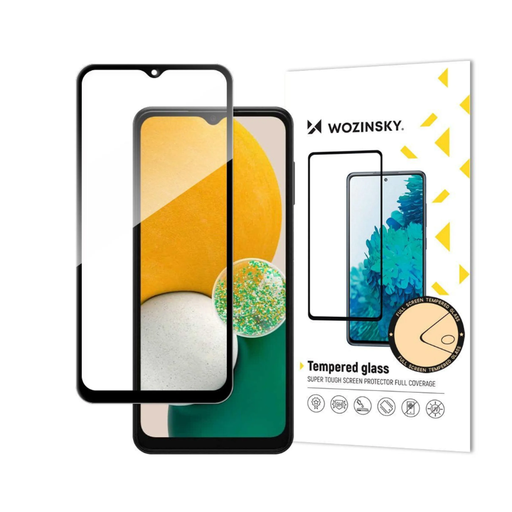
Why it suits this profile: This screen protector is designed for these specific Samsung models and is ideal for anyone looking for a straightforward basic option with a fitting frame and case compatibility.
The model list clarifies which devices are compatible. Full-adhesive backing and the included frame help you position the screen protector evenly.
9H hardness, full-screen coverage and a case-friendly design, according to the product description.
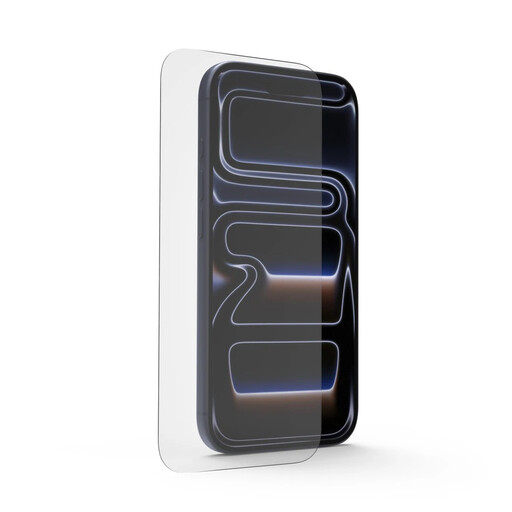
Why it suits this profile: A good choice if you prefer a clear screen, precise cut-outs and guided fitting.
Compatibility is limited to specific iPhone models. The EcoFrame fitting frame reduces the risk of positioning the screen protector crookedly.
9H hardness, 0,33 mm thickness, an HD-clear finish, an anti-fingerprint coating and a case-friendly design, according to the manufacturer.
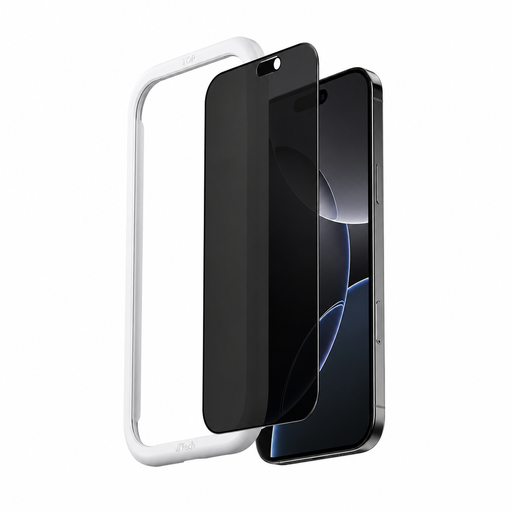
Why it suits this profile: The privacy version is designed for commuters and professionals who want to shield their screen from side views on public transport or in the office.
The side-view privacy feature is clearly described. However, bear in mind that the screen may look darker when viewed from an angle.
9H hardness, anti-fingerprint properties and automatic adhesion with one-click fitting, according to the product description.
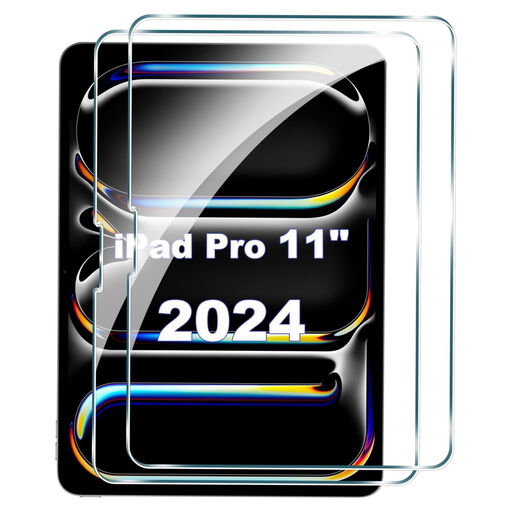
Why it suits this profile: This set is a good fit for iPad users who regularly use their tablet for work, study, reading or watching media and want to keep a spare screen protector handy.
The precise compatibility information for models A2837, A2836 and A3006 helps distinguish between similarly named iPad versions.
0,26 mm thickness, a stated 99,9% HD transparency, a hydrophobic and oleophobic coating, and two screen protectors included.
We’ve put together a complete, regularly updated list of products that meet these strict selection criteria and fully comply with the safety regulations in force in the EU.
If you’re using a fitting frame, check the position before removing the protective film. Peeling the screen protector off repeatedly can affect the adhesive layer and oleophobic coating.
Its lifespan depends on how you use your device, as well as impacts, friction and the quality of the coating. Replace the screen protector if it develops cracks, chipped edges or scratches that remain noticeable. There’s no reliable fixed lifespan that applies to every device.
9H scratch-resistant is a common rating for tempered glass and can help protect against many everyday scratches. However, it does not guarantee that the screen protector will not break or that the screen will remain undamaged if the device is dropped from a height. A case with a raised edge is a useful addition.
For commuters and office use, a privacy screen protector restricts the viewing angle from the sides. For sharing your screen, viewing photos and videos, or keeping the display as clear as possible, an HD-clear iPhone screen protector, iPad screen protector or Samsung screen protector is usually a better fit. The key considerations are still model compatibility, fitting and how you use your device.