
Lieferung heute & morgen

Qualitätsgarantie

Willkommens-Angebote freischalten: KOSTENLOSE Lieferung | Bis zu 80 % RABATT | Kostenlose 30-Tage-JoyPlus-Testphase
App herunterladen
A damaged iPhone screen can lead to expensive repairs. A tempered glass screen protector for iPhone helps reduce everyday contact between the screen and keys, dust or other hard objects. However, it does not replace a phone case or guarantee protection from every drop.
Three common marketing pitfalls can lead to the wrong choice:
First, check the exact model name in your iPhone settings under “General” and “About”. Then look for details such as iPhone 15, iPhone 16, iPhone 17, Pro, Pro Max or Air.
A full-screen protector covers most of the usable display. If you choose a particularly wide design, check that your phone case leaves enough room around the edges. A case-compatible screen protector usually stops just short of the frame, so the case does not lift the glass.
Tempered glass protects the screen surface from everyday scratches and scuffs. The commonly quoted 9H hardness is useful as a point of comparison, but it should not be taken as a guarantee against every drop.
These features also matter for everyday use:
According to REMAX, the screen protectors for selected iPhone 17 models are made from reinforced Corning glass, with a glass thickness of 0.4 millimetres, 380 adhesive and an oil-repellent coating. These specifications apply to the relevant product variants, so check them against your exact model before buying.
A bubble-free installation depends on more than just the adhesive. Dust on the screen, inaccurate alignment or pressure on the glass during fitting can all cause air bubbles.
Useful items include:
Fit the screen protector in an area with as little dust as possible. Clean the screen thoroughly, align the glass with the speaker and camera area, then press outwards from the centre. For safety, replace cracked or shattered glass and dispose of it carefully.
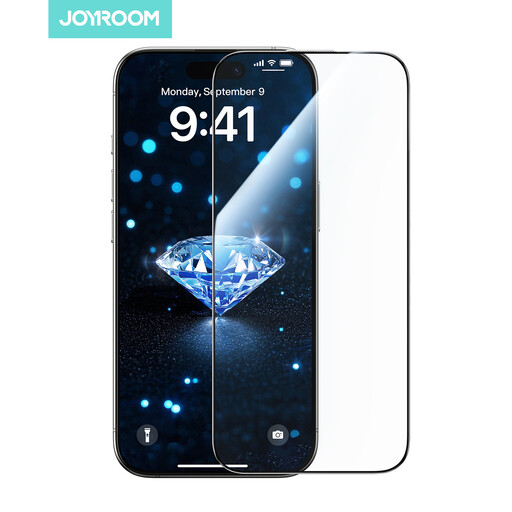
Why it suits this user: Its 2.5D design with a black border is a good choice if you’re looking for clearly described full-screen protection for your compatible iPhone model.
Check the model variant before ordering, so you don’t mistake “Full Screen” for a universal fit.
2.5D design, black border, and HD display and dust protection stated in the product name.
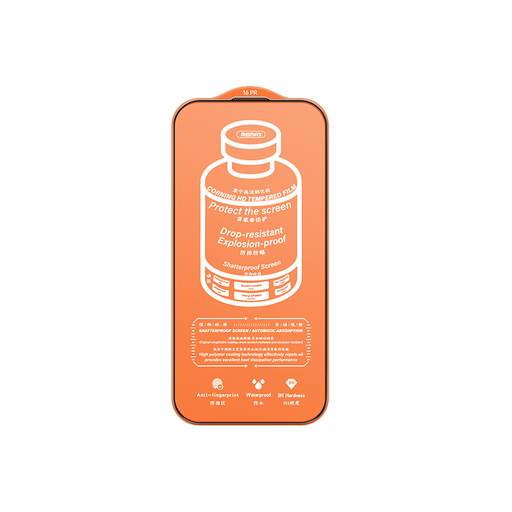
Why it suits this user: A good choice for iPhone 17 users who prioritise a precise fit, clear display and a specified fingerprint-resistant coating.
The product details specify the iPhone 17 model, as well as the material and thickness. This makes it easier to narrow down your options before buying.
According to REMAX: reinforced Corning glass, 0.4-millimetre glass thickness, HD clarity and an oil-repellent coating.
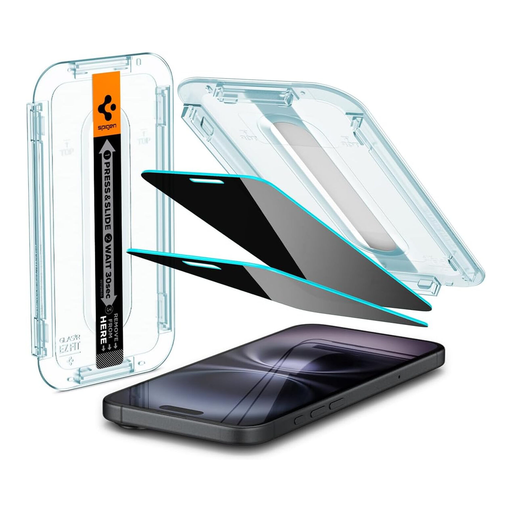
Why it suits this user: Privacy protection is useful for commuters, office workers and anyone viewing confidential content in public places.
It restricts the view from the side, so make sure this is an effect you want before buying. An installation template helps with alignment.
According to Spigen: 9H hardness, privacy filter, case-compatible design, installation frame and two screen protectors per pack.
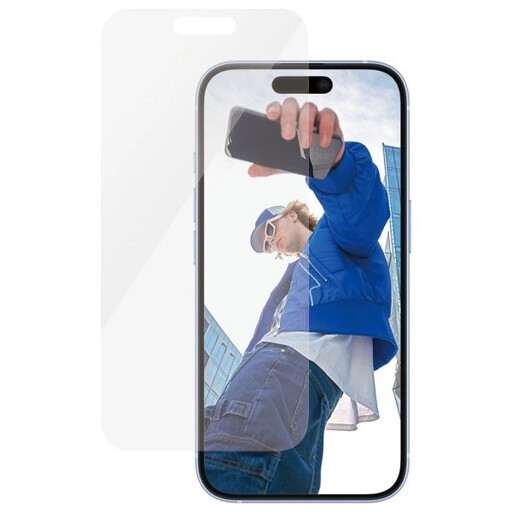
Why it suits this user: The Classic Fit design is for anyone who wants to use a screen protector and phone case together.
This design is not intended to provide maximum edge coverage. That leaves more clearance for many cases, but you should still check compatibility with your particular case.
According to PanzerGlass: oleophobic anti-fingerprint coating, clear display, case-compatible Classic Fit and easy installation.
We’ve put together a complete, regularly updated list of products that meet these strict selection criteria and fully comply with the safety regulations in force in the EU.
Not necessarily. The camera area, screen dimensions and frame may differ. Choose a screen protector whose product description specifically lists your iPhone model. The same applies to Pro, Pro Max and Air models.
There’s no reliable way to give a set lifespan. It depends on how you use your phone, the edge of your case, friction and impacts. Replace the screen protector if you notice cracks, chips or edges starting to lift. Damaged glass can affect how the screen works and should be removed carefully.
A privacy filter makes the screen less visible from the sides. That can be useful on public transport or in the office, but it often makes the display harder for people next to you to see. If you prefer maximum viewing angles and unchanged brightness, choose an HD-clear version without a privacy filter.