
Lieferung heute & morgen

Qualitätsgarantie

Willkommens-Angebote freischalten: KOSTENLOSE Lieferung | Bis zu 80 % RABATT | Kostenlose 30-Tage-JoyPlus-Testphase
App herunterladen
A scratched screen, annoying air bubbles or a protector that clashes with your phone case: when buying an iPhone screen protector, material and price aren’t the only things that matter. The right model, screen coverage and a reliable installation are all essential for everyday use.
Three common pitfalls are particularly likely to lead to the wrong purchase:
Before buying, check the exact iPhone version: the iPhone 15, iPhone 16, iPhone 15 Pro, iPhone 16 Pro and iPhone 17 Pro differ in their casing, camera area and, in some cases, the edges of the display. Choosing a screen protector listed for your model reduces the risk of covering sensors or having the glass extend beyond the edges.
With a case-compatible screen protector, the gap between the protector and the edge of the display also matters. An Ultra-Wide Fit screen protector covers more of the visible screen while leaving enough room for many cases. Even so, check the manufacturer’s guidance if you have a particularly thick case or one with raised edges.
Many products are made from tempered glass — safety glass that has been heat-treated. It can help protect the screen from everyday scratches caused by keys, dust or friction. “Impact-resistant tempered glass” doesn’t mean your smartphone will be undamaged after every drop. The protector itself can break and should be replaced if it cracks.
The term 9H tempered glass is often used to indicate increased scratch resistance. Treat it as a product feature, not an all-round guarantee against damage. Several details are therefore worth considering together when making your choice: material, thickness, edge finish, fit and what’s included in the pack.
An oleophobic coating can reduce the build-up of skin oils and fingerprints. It usually makes the surface smoother and easier to clean. Its effectiveness may wear off with frequent wiping and normal use.
For a bubble-free installation, it’s essential to have a dust-free screen, align the protector accurately and apply even pressure. An EasyAligner or installation frame can make positioning easier. Before applying the protector:
If the glass is damaged, it’s best to replace it safely. Don’t remove the shards with bare fingers, and keep them out of children’s reach.
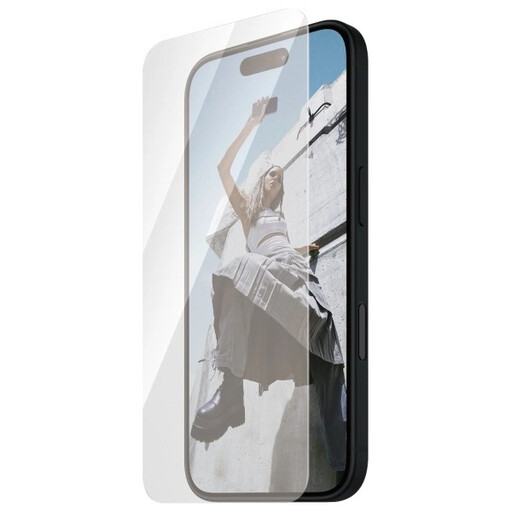
Why it suits this profile: This screen protector is designed for iPhone 15 and iPhone 16, combining tempered glass with Ultra-Wide Fit coverage. It’s a straightforward choice for anyone looking for everyday screen protection without extra specialist features.
Compatibility is clearly specified for iPhone 15 and iPhone 16. Case compatibility and bubble-free installation are also listed as product features.
Oleophobic, anti-fingerprint coating; Ultra-Wide Fit; stated compatibility with most cases.
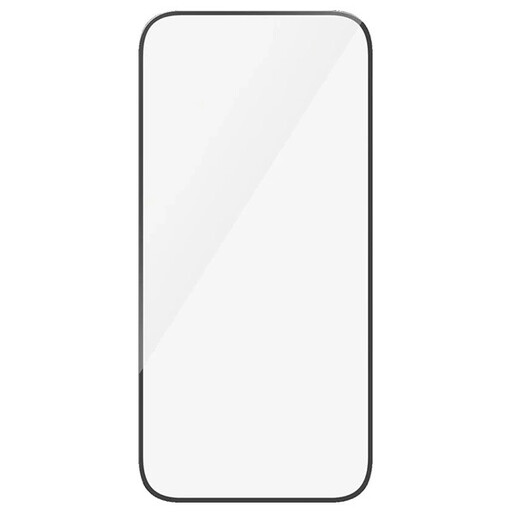
Why it suits this profile: This model is for anyone who wants a clear screen protector with extensive coverage, touch compatibility and clearly explained installation features.
The product description clearly specifies the material, fit type, coating, installation method and case compatibility. This makes it easier to check the key buying criteria before you order.
Tempered glass; stated scratch and impact resistance; oleophobic anti-fingerprint coating; adheres automatically when pressed down.
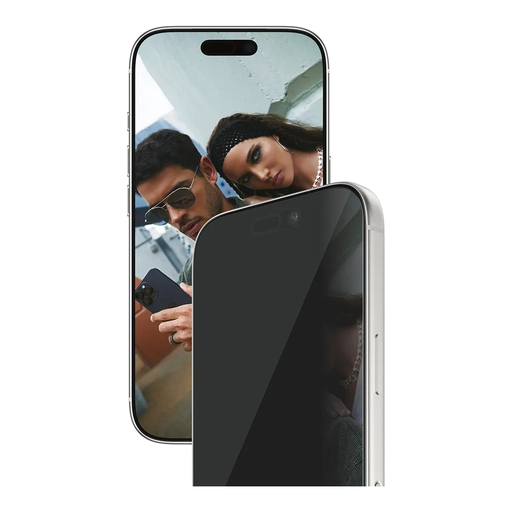
Why it suits this profile: The side-view privacy filter is designed for use on public transport, in waiting areas or during meetings. The EasyAligner helps you position the protector during installation.
The privacy filter is clearly identified as a side-view feature. This helps distinguish it from a standard clear screen protector without privacy protection.
Side-view privacy filter; EasyAligner; oleophobic coating; 0.74 mm thick and weighs 12 g, according to the product details.
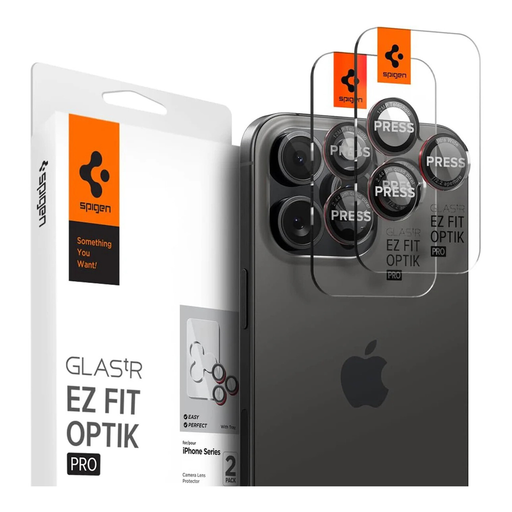
Why it suits this profile: This iPhone camera lens protector is designed for several Pro and Pro Max models from iPhone 14 to iPhone 17. It’s a good option if you want to add separate protection for your lenses.
The compatible models are listed clearly. The EZ-Fit frame system reduces the risk of misalignment, and compatibility with most cases is specified.
9H tempered glass; oleophobic coating; two protectors included; EZ-Fit alignment frame.
We’ve put together a complete, regularly updated list of products that meet these strict selection criteria and the safety regulations applicable in the EU.
Clean the screen in an area with as little dust as possible. Use the wet wipe, microfibre cloth and dust remover in that order. Align the glass before it touches the adhesive surface, then press it down from the centre towards the edges. Small bubbles may work their way out; larger dust particles usually need to be removed by lifting the protector again.
How long it lasts depends on daily wear and tear, how often you change cases and whether the phone is dropped. Glass that looks undamaged can stay in use for longer, but should be replaced if it cracks, chips or its surface coating has noticeably worn away. A screen protector is a wear-and-tear item and won’t prevent every kind of damage to your smartphone.
That depends on how you use your phone and which iPhone model you have. If you often put your smartphone down on rough surfaces or want extra protection for the protruding camera lenses, you could consider a separate lens protector. Make sure it’s compatible with your exact Pro or Pro Max model and that it doesn’t obstruct the camera openings.