
Lieferung heute & morgen

Qualitätsgarantie

Willkommens-Angebote freischalten: KOSTENLOSE Lieferung | Bis zu 80 % RABATT | Kostenlose 30-Tage-JoyPlus-Testphase
App herunterladen
An iPhone display can be damaged in everyday use by keys, grains of sand, table edges or a drop. Suitable iPhone tempered glass helps reduce typical signs of wear, but it does not replace a protective case and cannot guarantee protection against cracks caused by severe impacts. The decisive factors are therefore not just a low price, but the combination of model-specific fit, material, coating and installation.
The designation 9H tempered glass describes a hardness rating within a specific testing scale. It may indicate increased resistance to scratches, but it does not mean the glass will remain undamaged after every drop. Even tempered iPhone glass can shatter under a strong impact and will then need to be replaced.
A screen protector for the iPhone 16 will not automatically fit an iPhone 17 Air or iPhone 17 Pro Max. Differences in display size, camera area, curved edges and sensor cutouts can affect the fit. Before buying, make sure the exact iPhone model is explicitly listed in the product specifications.
Glass that extends particularly close to the edges may look appealing on paper. However, if it sits too tightly against the edge, a protective case may lift the protector. Products labelled as case-compatible generally leave sufficient clearance around the relevant edges. Compatibility with every individual case is nevertheless not guaranteed.
For an iPhone screen protector made from tempered glass, specifications such as 9H hardness, scratch resistance and reinforced edges provide useful guidance. They should be understood as technical features rather than promises of complete shatter protection. Scratch-resistant glass protects against everyday contact marks, while its performance during drops depends on the impact angle, surface and product fit.
High transparency is important when colours, contrast and small text should remain clearly visible without noticeable changes. An iPhone screen protector should also specify that touch functionality is retained. An additional anti-fingerprint coating can make cleaning easier, but it will not prevent all smudges and may wear down with regular use.
A bubble-free installation is more likely when the display is thoroughly cleaned and completely free of dust before application. Installation guides, cleaning wipes and dust-removal stickers are useful additions. With full-screen glass featuring a black border, check that the border does not obstruct the visible display area. Once installed, no edges should lift and no larger bubbles should remain beneath the glass.
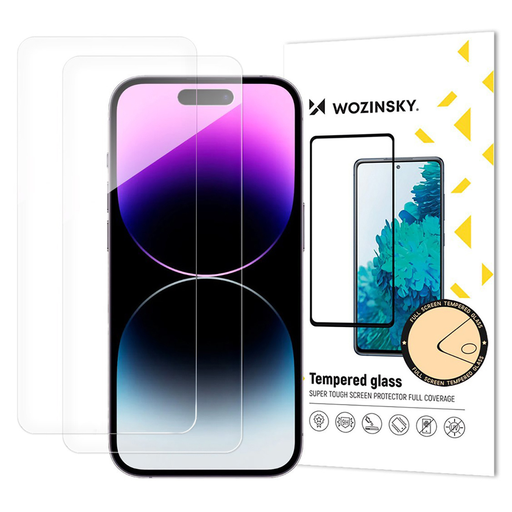
Why it suits this profile: The two-pack is ideal for users who want to keep a spare protector on hand or regularly switch between devices.
The product specifications explicitly state compatibility with the iPhone 17 Air as well as 9H hardness. This makes it easier to verify the key details before purchase.
Two screen protectors per pack, high transparency, cleaning wipes and dust-removal stickers for installation.
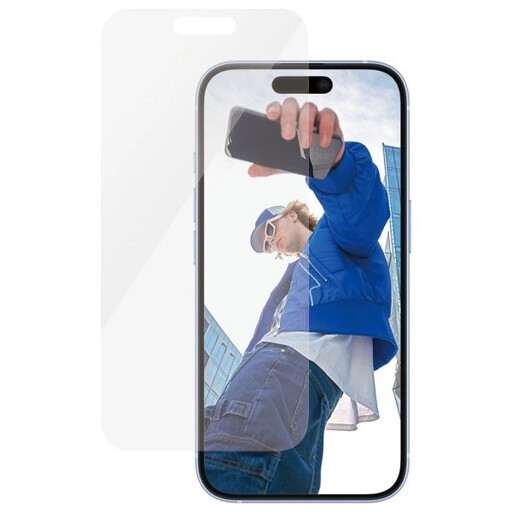
Why it suits this profile: The Classic Fit design is aimed at people who use their iPhone with a case and want reliable protection for everyday use.
The specifications state case compatibility, a precise fit for the iPhone 16 and bubble-free installation. This provides clear documentation of the most important selection criteria.
Tempered glass, an oleophobic coating, an anti-fingerprint surface and specified touch sensitivity.
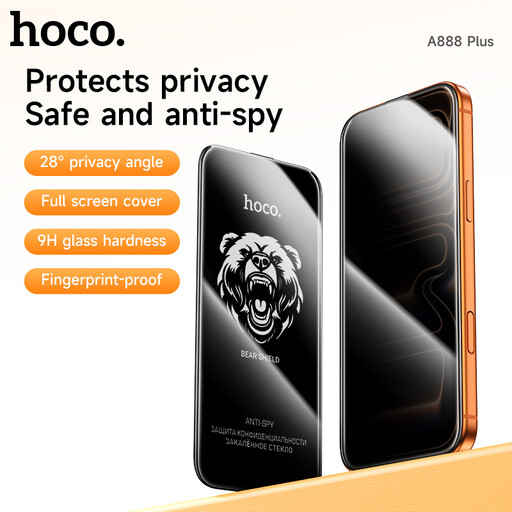
Why it suits this profile: This privacy screen protector is suitable for anyone who wants to make their display less visible to people nearby on trains, in cafés or at the office.
The product warning notes that viewing angles from the side and screen brightness may be reduced. This version is therefore less suitable for sharing content with others.
Full-screen design for the iPhone 17 Air with integrated privacy protection; the product notes also clearly outline its limitations.
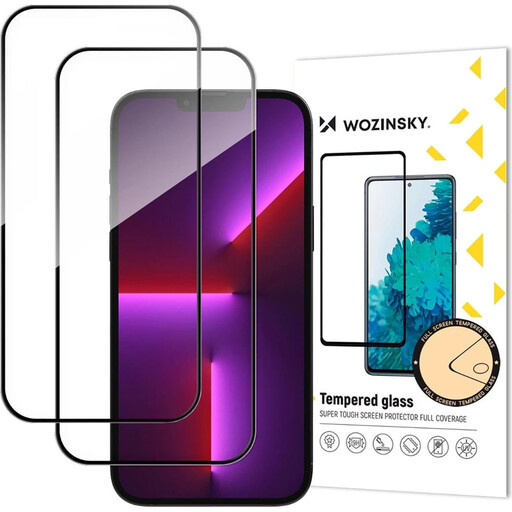
Why it suits this profile: Two protectors and full-surface adhesive are a practical choice for people who use their iPhone 17 Pro Max frequently and want a spare readily available.
The specifications combine exact model compatibility, 9H hardness, case compatibility and installation accessories. Even so, a damaged screen protector remains a consumable item.
Two-pack, full-surface adhesive, black border, high transparency and installation aids for applying the glass from the centre outward.
We have put together a current selection of products that can be compared based on fit, material, installation and stated safety information.
Do not repeatedly lift and reapply the glass once dust has settled on the adhesive surface. This can cause bubbles and uneven adhesion. Replace the screen protector if it develops cracks or sharp edges.
Its lifespan depends on use, impacts, friction and the quality of the edge adhesion. Even without visible breakage, a screen protector can become unusable due to scratches or chips. It is therefore not possible to give a reliable fixed service life. If it is damaged, it should be replaced promptly.
A privacy screen protector reduces the visibility of the display from the side. This can be useful on public transport or at work. At the same time, the screen may appear darker when viewed from an angle. Anyone who frequently shares content with others or prefers unchanged brightness should choose a clear iPhone screen protector.
No. The fit depends on the clearance at the edges, the shape of the glass and the design of the case. Labels such as “case-compatible” or “Classic Fit” provide useful guidance. Nevertheless, the exact iPhone model should always be checked before purchase. The iPhone 16, iPhone 17 Air, iPhone 17 Pro and iPhone 17 Pro Max each require product specifications that explicitly confirm compatibility.