
Lieferung heute & morgen

Qualitätsgarantie

Willkommens-Angebote freischalten: KOSTENLOSE Lieferung | Bis zu 80 % RABATT | Kostenlose 30-Tage-JoyPlus-Testphase
App herunterladen
A damaged iPhone display isn’t just caused by drops. Grains of sand in your pocket, keys, fingernails and everyday friction can all leave visible scratches. A iPhone tempered glass screen protector creates an extra protective layer between the display and the outside world. What really matters, though, isn’t just the label “tempered glass” – it’s the combination of the right model size, glass quality, coating and installation.
A protector for the iPhone 16 won’t automatically fit the iPhone 16 Pro or iPhone 16 Plus. Differences in display size, bezel, speaker cut-outs and camera area can mean the protector overhangs, fails to cover important areas, or clashes with your case.
Before you buy, check the exact model name:
The rating 9H describes a hardness class commonly used for tempered glass. It indicates resistance to everyday scratches, but it’s no guarantee that the display will survive every drop unscathed. Even a 10H protector won’t replace a protective case, and it doesn’t protect every edge equally.
What also matters are the glass shape, edge finishing and fit with your case. A slightly recessed, case-compatible screen protector can perform better in daily use than a model cut too wide, which lifts at the edges.
A clear iPhone screen protector should alter the image quality and touch response as little as possible. An iPhone privacy screen protector, on the other hand, uses a viewing-angle filter. From the side, the screen can appear darker. That’s handy for train journeys, offices or cafés, but it can affect side visibility and, depending on the design, the perceived brightness too.
An anti-spy filter is not a complete safeguard for confidential content. It reduces side viewing, but it doesn’t replace a secure device lock or careful handling of sensitive data.
When choosing tempered glass for your iPhone, look for a verifiable material specification. The 9H models listed in product data are suitable for users who mainly want to reduce everyday scratches and abrasion. A 10H rating, such as on the Hama Reflect Protect, is also given as a technical product parameter.
Hardness alone isn’t enough to make a decision, though. Also check:
A scratch-resistant iPhone screen protector with a hydrophobic and oleophobic coating can reduce the build-up of fingerprints, skin oils and sweat. Such surfaces are generally easier to wipe clean. However, the coating is a consumable part: frequent rubbing, harsh cleaning agents or repeated removal can damage it.
For care, a soft microfibre cloth is sufficient, and if needed, a slightly damp cloth. Avoid abrasive cleaners and solvents.
A bubble-free screen protector depends largely on preparation. Clean the display in a dust-free environment, remove every speck of dust, and align the protector carefully before laying it down. Installation aids, applicator frames or self-adhesive properties can make positioning easier.
A sensible approach:
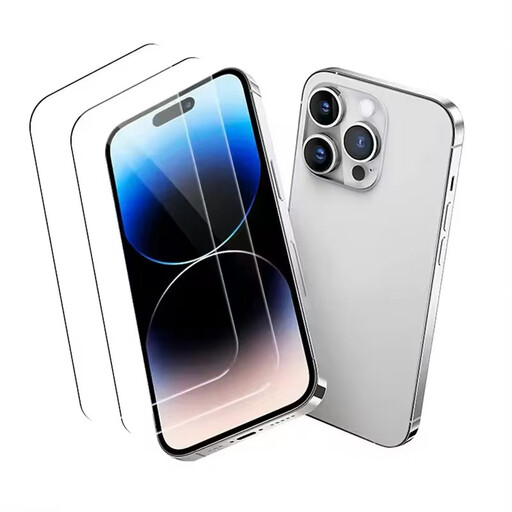
Why this product fits the profile: This protector is specified for the iPhone 16 Plus and combines 9H glass with high light transmission and an installation aid. It’s a straightforward, no-frills choice for everyday use.
The specific model assignment prevents the common mistake of buying an iPhone screen protector that’s too small. The details also mention case compatibility and 9H tempered glass.
9H glass, oleophobic coating, high transparency and included applicator.
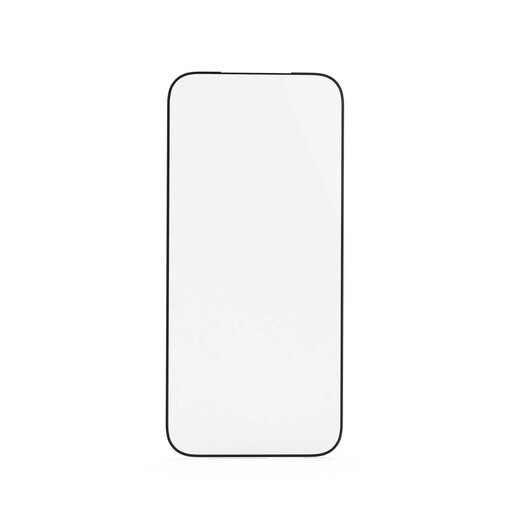
Why this product fits the profile: The product data lists 10H hardness, an AR coating, electrostatic adhesion and installation inside the packaging. This appeals to buyers who look for defined technical features.
The details don’t just say “tempered glass” – they list hardness, AR coating, dimensions and installation aid separately.
10H rating, AR coating, electrostatic adhesion and full-cover design.
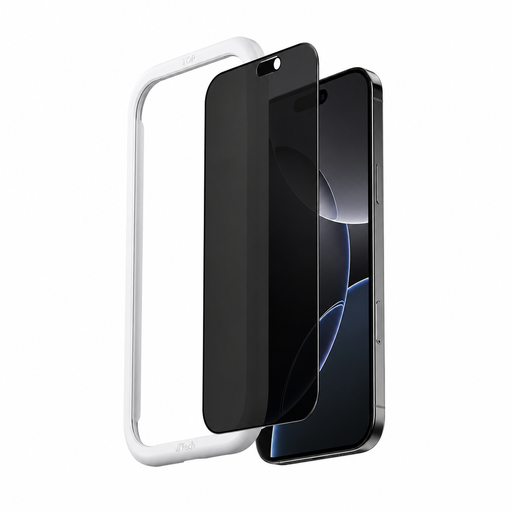
Why this product fits the profile: For commuters and office workers, side privacy is relevant. The product description mentions 9H glass, an anti-fingerprint coating and automatic adhesion.
The viewing angle is explicitly labelled as a privacy function. At the same time, the side darkening should be accepted as a conscious trade-off before purchase.
Anti-spy function, 9H tempered glass, automatic installation and oleophobic surface.
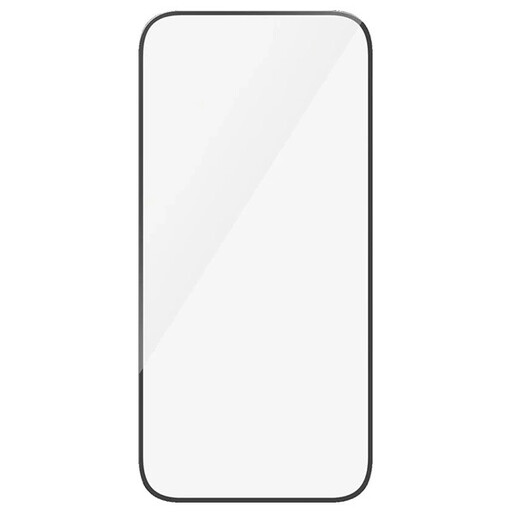
Why this product fits the profile: The Ultra Wide Fit design is ideal for people who want broad coverage while still using a case. The product data mentions simple, bubble-free installation.
The description mentions case compatibility, oleophobic coating and specific installation steps. This makes it easier to match the protector with your own case.
Ultra Wide Fit, anti-fingerprint coating, clear display and described bubble reduction during installation.
We’ve put together a full, regularly updated list of products that meet these strict selection criteria and the safety regulations in force across the EU.
The lifespan depends on usage, coating, case edge and impact load. Visible cracks, chipped edges, deep scratches or lifting edges are reasons for replacement. A damaged protector should be removed carefully and disposed of safely.
Both ratings describe a hardness class, but neither is a standalone quality guarantee. For your choice, also consider fit, glass finishing, coating, installation aid and case compatibility. A 9H protector can be sufficient for everyday scratches; a 10H rating is another technical parameter, but not a guarantee against breakage.
Yes, if the display and protector are dust-free and an installation aid is used. With privacy protectors, pay particular attention to exact alignment. Repeated removal and reapplication can damage the display’s surface coating.