
Lieferung heute & morgen

Qualitätsgarantie

Willkommens-Angebote freischalten: KOSTENLOSE Lieferung | Bis zu 80 % RABATT | Kostenlose 30-Tage-JoyPlus-Testphase
App herunterladen
A new iPhone is a significant investment. This makes it all the more crucial to effectively protect the display—its most expensive and sensitive component. However, the market for iPhone tempered glass is overwhelming and filled with marketing promises that often create more confusion than clarity. Many users invest in a screen protector, only to find that it's not compatible with their case, bubbles are forming, or its protective qualities are questionable.
As your Joybuy Product Recommendation Officer, I'm here to help you navigate these pitfalls. Instead of relying on exaggerated advertising slogans, we will focus on the objective criteria that define a high-quality screen protector.
Before we dive into the key features, let's identify the three most common problems that lead to a poor purchase:
To make an informed decision, you should focus on verifiable technical parameters. These three factors are critical for the functionality and longevity of your screen protector.
The term 9H Hardness is an industry standard that is often misunderstood. It does not refer to the Mohs scale of mineral hardness, where a diamond scores a 10. Instead, it describes the glass's resistance to being scratched by a 9H hardness pencil. In practice, this means such a glass is extremely scratch-resistant against everyday objects like keys or coins in your pocket. This is the primary purpose of a screen protector.
A crucial but often overlooked feature is the case-friendly designation. This type of tempered glass is intentionally designed to be slightly narrower than the actual display. This small gap at the edge ensures that the lip of a protective case cannot touch or lift the glass. Look for this specification to guarantee a secure, long-lasting, and bubble-free fit, especially if you use your iPhone with a rugged case.
Beyond basic screen protection, some protectors offer additional functionalities:
To make your choice easier, we have curated products for different user profiles.
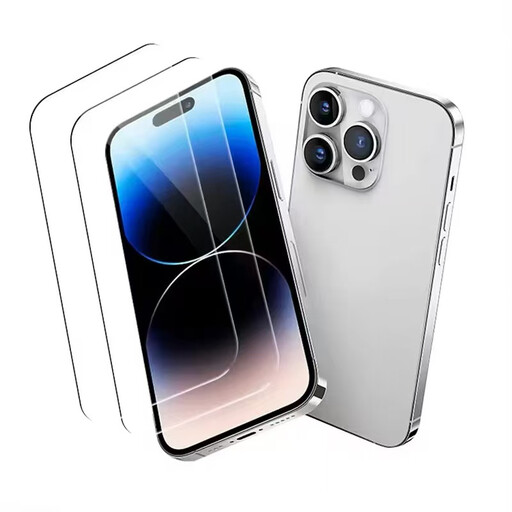
Why This Fits Their Persona: Ideal for users who want to fully protect their investment in a new iPhone 17 Pro screen protector. The focus is on durability and a flawless user experience.
The product comes with an applicator that facilitates a precise and bubble-free installation. The fit is explicitly designated as case-friendly to prevent conflicts with protective cases.
According to the manufacturer, it offers high light transmittance for a clear display and an oleophobic coating to resist fingerprints. The 9H hardness rating ensures reliable scratch protection.
Why This Fits Their Persona: Perfect for commuters, consultants, or anyone who frequently works in public and needs to shield sensitive information on their display from prying eyes.
This product is a specialised privacy screen protector for the iPhone that serves a clear function rather than making vague promises of protection. It combines privacy shielding with fundamental requirements like scratch resistance.
According to the manufacturer, it provides 360-degree privacy protection. Additionally, it features an anti-blue light function and is dust-proof, which expands its protective scope.
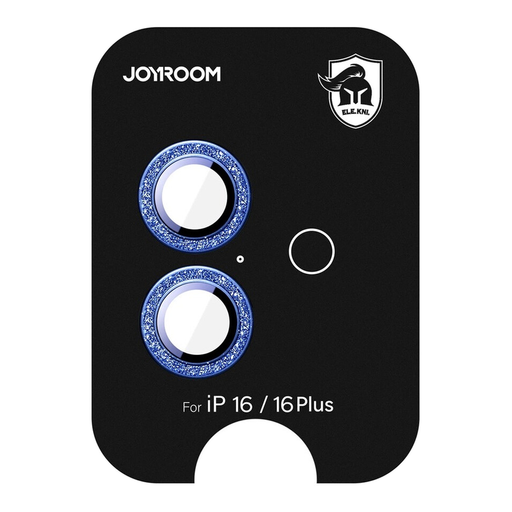
Why This Fits Their Persona: For users who want to personalise their iPhone while also protecting the sensitive camera unit. The camera protector for the iPhone 16 becomes a fashion accessory here.
This product focuses exclusively on protecting the camera lenses. It makes no misleading promises about screen protection but instead fulfils a clearly defined task: providing protection and style for the camera.
Protects the lenses from scratches, dust, and fingerprints. The high transparency is intended to ensure that photo and video quality is not compromised, while the blue design adds a unique accent.
We have compiled a complete, up-to-date list of products that fully meet these strict selection criteria and our stringent quality and safety standards.
A tempered glass protector should be replaced immediately if it has any cracks, chips, or deep scratches. A damaged protector has reduced protective capability and can no longer effectively shield the underlying display from another impact.
A high-quality camera lens protector for iPhone is designed so that it does not noticeably affect image quality. Look for products with high transparency and an anti-reflective coating. It is also important to clean the surface of the protector regularly, as fingerprints or dirt can impair image quality more than the glass itself.
A classic screen protector film is made of a thin, flexible plastic sheet. It offers basic protection against light, superficial scratches. An iPhone tempered glass protector, on the other hand, is made of hardened glass. It is thicker, significantly harder (scratch-resistant), and provides better protection not only against scratches but also against the impact of bumps and drops.